
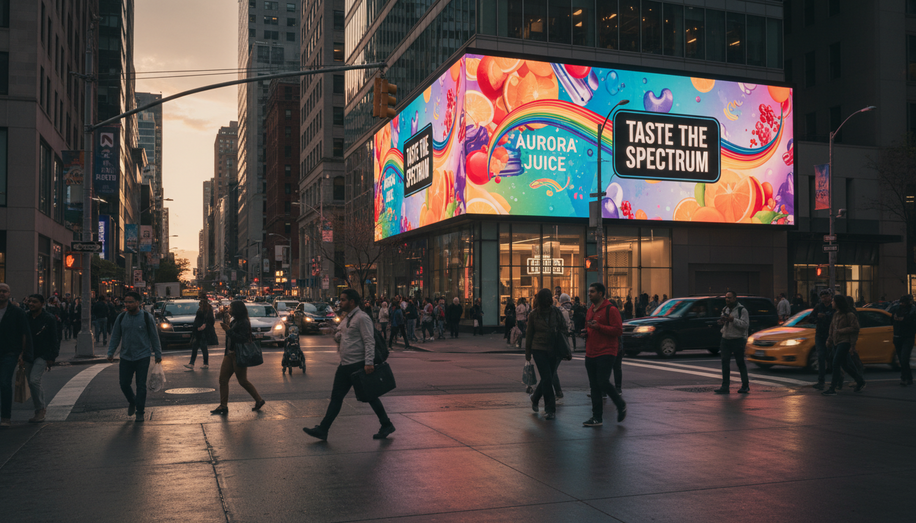

In the fast-evolving world of out-of-home advertising, programmatic digital out-of-home (DOOH) stands out as a powerhouse for delivering hyper-relevant messages at scale. By automating the purchase of inventory across thousands of screens, this technology enables advertisers to swap creatives in real time based on weather, time of day, audience movement, or even sports scores, transforming static billboards into dynamic storytelling tools. The secret to unlocking its full potential lies in crafting content that not only captures fleeting glances but also drives measurable action, all while navigating the unique constraints of public screens.
Effective content for programmatic DOOH begins with simplicity and visual punch. Screens in high-traffic environments like transit hubs, malls, and financial districts demand messaging that registers in mere seconds—typically three to five—amid distractions like rushing commuters or scrolling phones. Experts emphasize avoiding white backgrounds, which can wash out against varied lighting conditions, and opting instead for high-contrast colors that pop day or night. Font sizes must scale dynamically across diverse formats, from towering urban displays to intimate elevator screens, ensuring legibility from 10 feet away or more. This isn’t mere aesthetics; it’s rooted in the medium’s reality, where dwell time— the seconds a viewer lingers—serves as a key metric for engagement, evolving beyond basic impressions toward attention proxies and post-exposure behavior.
Contextual relevance elevates good content to compelling. Programmatic platforms excel at layering data like geo-fencing, proximity to points of interest, and time-of-day triggers, allowing ads to adapt seamlessly to surroundings. A coffee brand might trigger steaming mug visuals during morning rush hour near offices, while a retailer swaps in sun-soaked promotions when temperatures climb. Automotive advertisers, for instance, optimize by aligning creatives with nearby dealerships or traffic patterns, serving tire ads during rainy commutes to underscore safety features. This precision stems from audience-based targeting, where movement patterns and intent signals dictate not just placement but the very narrative delivered, making every impression feel personal without relying on cookies or personal data.
Dynamic creative optimization (DCO) takes this further, embedding programmatic intelligence directly into content workflows. Unlike traditional DOOH’s static placements and manual negotiations, programmatic enables real-time swaps: rain-activated umbrellas for weather apps, rush-hour deals for ride-sharing, or event-tied scores for sports bars. Brands achieve this through creative feeds integrated into demand-side platforms (DSPs), where AI handles live optimization—adjusting bids, budgets, and variants based on performance. For luxury campaigns targeting high-net-worth individuals in airports or elite malls, content might feature immersive storytelling synced to VIP lounge screens, blending exclusivity with geo-targeted exclusivity. The result? Campaigns that move with audiences, from city centers to gyms, diversifying across large-format billboards and micro-placements for omnipresence.
Yet, success demands balancing innovation with best practices. Overloading targeting layers—say, combining location, demographics, and events—can shrink reach, especially on lower bids, so advertisers must prioritize high-impact moments like major events via guaranteed programmatic deals. Measurement reinforces this: platforms now link exposure to foot-traffic lifts, brand recall, and sales, proving ROI in ways static OOH never could. In 2026, as programmatic DOOH spending surges past $1 billion, premium inventory in affluent zones like financial districts will reward those who standardize formats and consolidate networks for seamless buying.
Consider real-world triumphs. A beverage campaign used time-of-day triggers to shift from energizing sunrise motifs to relaxing evening pours, boosting engagement 30% via contextual fit. Automotive brands, leveraging proximity targeting, saw lifts in showroom visits by tailoring content to nearby models—sleek EVs for urban eco-drivers, rugged SUVs for highway feeders. These cases highlight a core truth: content must speak to the environment, not shout over it. Diversify formats, test iteratively, and let data dictate—programmatic’s agility shines when creatives evolve as fast as the audience does.
Looking ahead, AI will supercharge these strategies, predicting optimal variants from raw data and orchestrating transparent buys without middlemen. Interactive elements, like gamified shoppable videos on DOOH screens, promise deeper engagement and first-party data capture, especially in luxury settings. For brands, the imperative is clear: treat programmatic DOOH not as a channel add-on but as a canvas for adaptive narratives. By prioritizing bold visuals, hyper-local relevance, and real-time dynamism, advertisers can cut through the noise, forge lasting connections, and redefine out-of-home impact in an always-on world.