
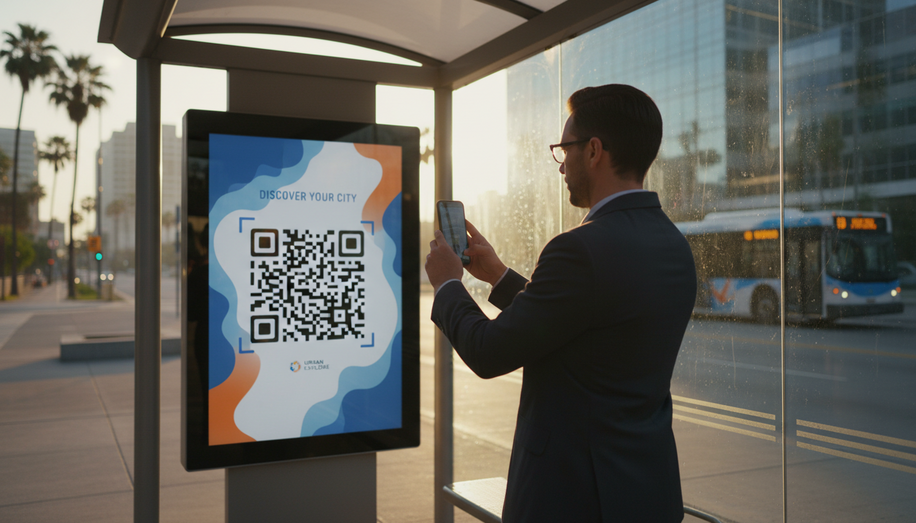

Out-of-home advertising has undergone a significant transformation with the integration of QR codes, bridging the gap between physical billboards and digital engagement. By transforming static advertisements into interactive touchpoints, QR codes have enabled brands to capture meaningful consumer data while driving immediate action and measurable results.
The pharmaceutical company Boehringer Ingelheim demonstrated the power of this approach with its Frontpro Antiparasitic campaign across Spanish cities. By embedding dynamic QR codes into programmatic digital out-of-home advertisements placed near pet stores in Madrid, Barcelona, Valencia, and Sevilla, the brand created a seamless connection between outdoor visibility and online engagement. Targeting dog lovers in high-traffic shopping malls and near retail locations, the campaign achieved a remarkable 254% boost in positive brand perception, showcasing how location-based targeting combined with interactive elements can drive brand awareness and purchase intent.
Nike’s approach illustrates how premium brands leverage QR codes to deepen consumer connection beyond the advertisement itself. By placing QR codes on billboards featuring athletes in their latest sportswear, Nike provided scanning users with behind-the-scenes videos, athlete interviews, and exclusive content. This strategy transformed passive viewing into active participation, allowing the brand to tell a richer story while collecting valuable engagement data about interested consumers.
Transit advertising has emerged as a particularly effective environment for QR code integration. Coca-Cola incorporated QR codes into bus shelter advertisements that, when scanned, offered immediate discounts on purchases from nearby vending machines. This proximity-based incentive model encouraged spontaneous engagement and purchase behavior, demonstrating how QR codes can facilitate real-time transactions in outdoor settings where consumers are actively moving through their environments.
The Frontpro campaign’s success extended beyond brand perception metrics. By strategically positioning advertisements within a specific radius of pet stores stocking the product, Broadsign’s OOH expertise enabled detailed campaign segmentation by location and consumer interests, driving measurable foot traffic to retail locations. This integration of consumer data with outdoor placement strategy represents an evolution in how brands approach out-of-home advertising accountability.
Interactive gaming experiences have proven equally effective in driving QR code engagement. A trivia-based campaign generated over 111,000 visits to its campaign website, 42,500 QR code scans, and 5,600 active players, demonstrating that gamification elements combined with outdoor advertising can sustain consumer interest over extended periods. By turning billboard interactions into entertainment opportunities, brands create memorable experiences that encourage social sharing and repeat engagement.
Expedia Group’s airport billboard campaign exemplified location-specific relevance in QR code implementation. By featuring QR codes on digital billboards that linked to vacation deals curated for each airport’s departure destinations, the brand captured travelers at a moment of high purchase intent. The pilot program’s success in driving engagement led to expansion across additional airports, validating the effectiveness of contextual QR code placement.
The technology also serves practical measurement functions. Verizon’s in-store QR code promotion, which allowed customers to enter contests and share offers on social media, generated an additional $35,000 in sales from a $1,000 investment during its promotional week. This exceptional return on investment underscores how QR codes enable direct attribution between out-of-home exposure and sales conversion.
What distinguishes successful QR code campaigns in out-of-home advertising is the intentional design of the user journey. Effective implementations move beyond simply embedding a code; they create compelling reasons for consumers to scan. Whether through exclusive content, immediate discounts, entertainment opportunities, or location-specific offers, the most impactful campaigns recognize that the QR code itself is merely a gateway to a more valuable experience.
As outdoor advertising continues to evolve, QR codes represent a critical tool for brands seeking to measure impact and drive engagement. By transforming billboards, transit ads, and street-level displays into interactive platforms, brands can capture the attention of consumers in their everyday environments while collecting actionable data that informs future marketing strategies. The demonstrated success across industries suggests that the integration of QR codes into out-of-home campaigns will remain a central component of sophisticated advertising strategies moving forward.