
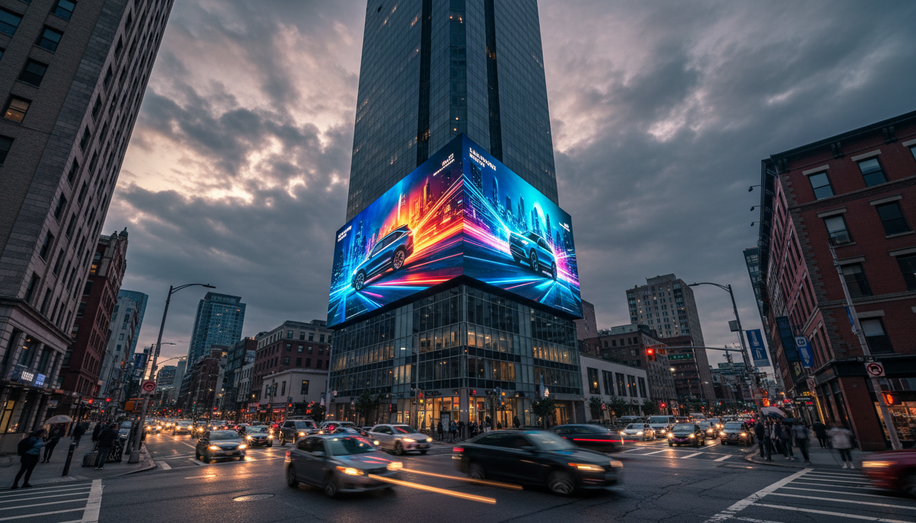

In the bustling rhythm of urban life, out-of-home (OOH) advertising thrives on precision timing, transforming static billboards and digital screens into dynamic tools that capture fleeting consumer attention. Scientific insights into human behavior reveal that the most effective OOH campaigns synchronize with daily commutes, seasonal shifts, and event-driven spikes in mobility, boosting visibility and recall by aligning messages when audiences are most receptive.
Consumer behavior studies underscore how travel patterns dictate optimal exposure. Six out of ten U.S. residents aged 16 and older walk downtown areas monthly, making high-traffic commuter routes prime real estate during rush hours. Advertisers who map audience journeys—such as morning drives to work or evening returns home—maximize impressions, as eyes linger longer on roadsides when drivers and pedestrians are in transit. Dayparting, the practice of segmenting ad schedules by time of day, leverages these rhythms: bold, high-contrast visuals perform best in daylight for ramen shops or retail promotions, while softer pastels cut through nighttime glare, ensuring messages resonate with fatigued evening commuters.
Seasonal variations further refine this science. Summer unleashes heightened mobility, with travelers and shoppers flooding highways and airports, ideal for billboard dominance that captures spontaneous decisions. Winter, by contrast, curbs outdoor movement, prompting shifts to enclosed transit ads like bus shelters, where huddled passengers absorb messaging amid festivities like Christmas or Thanksgiving. Brands timing educational campaigns to intake seasons—summer, fall, winter—tap into students’ active searches, mirroring purchase intent cycles seen in tax prep ads ramping up pre-April 15 or back-to-school pushes in late summer.
Events amplify these patterns, drawing massive, engaged crowds whose behavior pivots toward heightened openness. Concerts, sports like NBA games or the Super Bowl, festivals, and parades cluster millions in concentrated areas, where OOH ads on nearby screens or sponsorships yield outsized ROI through immediate, contextual relevance. Programmatic digital OOH (DOOH) elevates this by triggering ads via real-time data on attendance, weather, or traffic, adapting creatives instantly to breaking news or local trends without fixed commitments.
At retail frontiers, timing intersects with the “last-moment nudge,” where proximity to point-of-sale ignites impulse buys. Screens at store entrances, self-checkouts, or gas stations influence shoppers at peak intent, reinforcing promotions just before checkout and driving add-on sales in groceries or malls. Behavioral targeting layers in demographics, commute routes, and environmental cues—rainy days for umbrellas, sunny afternoons for ice cream—yielding benchmarks like Jack in the Box’s 12:1 ad spend return from geo-fenced hunger appeals within two miles of outlets.
Digital integration sharpens OOH’s edge, blending it with online channels for orchestrated impact. A winter sale billboard pairs seamlessly with digital retargeting, reminding exposed viewers via apps, which studies show lifts conversions by 65% through cross-channel attribution. Programmatic platforms dissect audience patterns by location, time, and events, avoiding over-narrowing while optimizing frequency, though advertisers must balance layers to sustain reach.
Yet, science demands nuance. Static OOH falters in low-mobility winters without pivots, and over-reliance on peak times risks audience fatigue. High-ROI spots blend reach with relevance: urban business districts for executives in elevator screens, transit hubs for diverse commuters, or event peripheries for enthusiasts. Interactive elements, like QR codes, boost recall 45% and triple social shares, rewarding timely execution.
Ultimately, OOH timing’s power lies in behavioral foresight—decoding when consumers transition from awareness to action. By harnessing dayparting, seasonality, events, and real-time DOOH, advertisers don’t just interrupt; they intercept intent, proving that in a world of constant motion, the right moment turns visibility into velocity.