
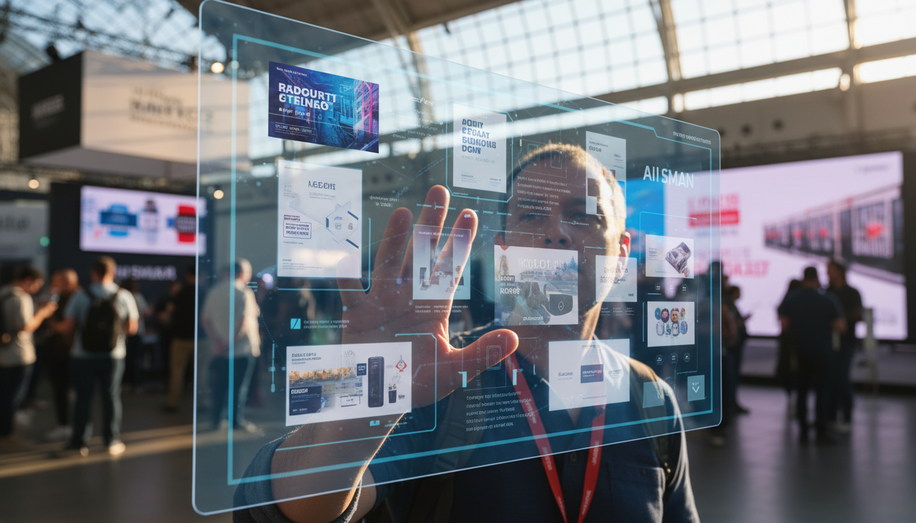

Artificial intelligence is reshaping out-of-home (OOH) advertising, turning static billboards into dynamic, data-driven canvases that deliver hyper-personalized messages to urban audiences in real time. From programmatic digital out-of-home (DOOH) platforms that adapt content based on weather, traffic, or crowd demographics to AI-generated visuals tailored for millennials and Gen Z, the technology promises unprecedented precision and creativity in a medium long criticized for its one-size-fits-all approach.
The opportunities abound as AI bridges the gap between physical spaces and digital ecosystems. Worldcom OOH highlights how AI connects five core pillars—audience, consumer situations, messaging, media, and sales results—enabling real-time optimization that transforms cities into vast distribution channels for brands. MarketsandMarkets forecasts a 29.6% annual growth rate for AI-powered advertising through 2026, ballooning the market to $13 billion, with applications spanning airports, bus shelters, retail stores, and main roads. Programmatic DOOH, now dominating spending and projected to exceed 40% of total OOH budgets, leverages AI for audience segmentation, time-of-day adjustments, and event-triggered content, such as flight schedules or sports scores, delivering measurable lifts in awareness and foot traffic.
Content creation stands out as a prime beneficiary. AI fosters a creative renaissance by automating mundane tasks and simulating ad performance under varied conditions—like morning commutes in sunlight versus evening rain—freeing human teams for bolder executions. Tools from companies like Billups use contextual signals to inform visuals that resonate in specific environments, while generative AI crafts personalized visuals that appeal especially to younger demographics; a HubSpot study notes 66% of Gen Z and 63% of millennials embrace AI-generated ads when transparently labeled as sponsored. In 2026, this extends to holographic 3D displays and interactive walls responsive to gestures or proximity, synchronized via AI with mobile data for seamless cross-channel campaigns that blend OOH with search and social retargeting.
Audience insights represent another leap forward. AI’s location intelligence analyzes traffic patterns, dwell times, and behavioral data to pinpoint optimal placements, from mobile billboards to EV charging stations where high-intent consumers linger. Facial recognition and real-time analytics on DOOH screens enable dynamic tailoring—swapping messages for passing demographics—while McKinsey reports a 40% revenue boost for firms personalizing via generative AI. Globally, North America, Europe, and Asia-Pacific lead adoption, with emerging markets using AI to optimize placements and integrate with mobile ecosystems, ensuring OOH evolves as a “global operating system” for intention-based marketing without invasive tracking.
Yet these advances come with formidable challenges. Privacy concerns loom large as AI relies on vast datasets from sensors, cameras, and geotagging, raising questions about consent in public spaces. Regulators in Europe, already pioneering sustainability standards, may tighten rules on data usage, forcing advertisers to balance personalization with ethical boundaries. Over-reliance on automation risks diluting creativity; as Billups CTO Shawn Spooner warns, a decade of programmatic focus has prioritized targeting over artistry, and unchecked AI could homogenize campaigns unless guided by human insight.
Technical hurdles persist too. Integrating AI across fragmented OOH networks demands robust infrastructure, from energy-efficient LEDs to self-healing analytics that prevent downtime. Inaccurate data—such as flawed weather predictions or biased audience profiling—could undermine ROI, while high implementation costs may sideline smaller players, widening the gap between tech-savvy giants and independents. Sustainability adds complexity; while solar-powered screens align with eco-mandates, scaling AI-driven holograms and video walls risks increased energy draw unless offset by green innovations.
Moreover, consumer trust hangs in the balance. As digital ad fatigue grows, OOH’s physical presence offers a trust advantage, but overt personalization via facial tech or real-time tweaks could provoke backlash if perceived as surveillance. Brands must navigate this by emphasizing transparency, as seen in positive reception to disclosed AI content among youth.
Looking ahead, the rise of agentic AI—autonomous systems that plan, iterate, and execute campaigns—signals even deeper integration by 2026, potentially fusing OOH with video and creator content for immersive experiences. Success hinges on striking equilibrium: harnessing AI’s power for relevance and efficiency while safeguarding privacy, creativity, and inclusivity. Advertisers who master this duality will not only capture attention in crowded cities but redefine OOH as the unskippable heartbeat of modern marketing.