
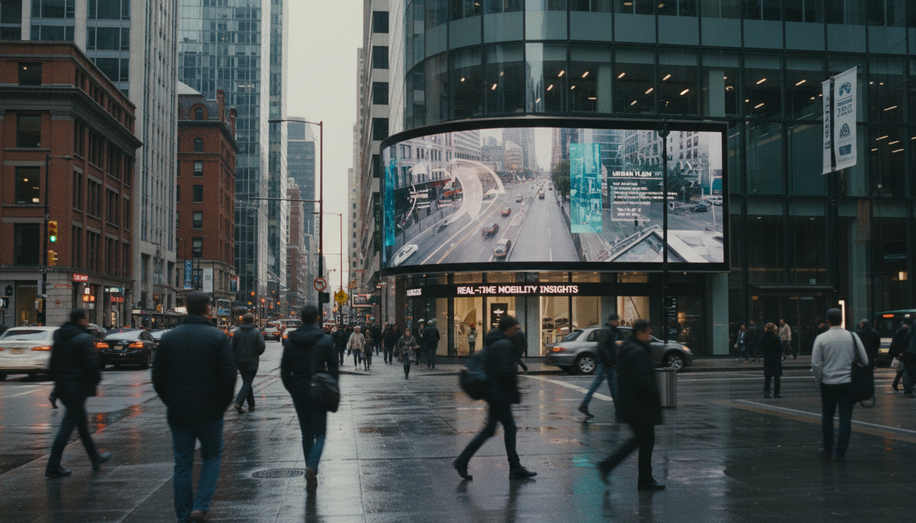

In the bustling heart of a city, a digital billboard flickers to life as rain begins to patter against the pavement. Suddenly, the static promotion for a luxury car vanishes, replaced by a vivid display of windshield wipers slicing through sheets of water, with the tagline: “Rain-X: See clearly in any storm.” This seamless shift isn’t coincidence—it’s contextual digital out-of-home (DOOH) advertising at work, harnessing real-time data on weather, time, and local happenings to deliver messages that feel eerily personal to passersby.
DOOH represents a quantum leap from traditional static billboards, which lock advertisers into fixed creatives for weeks or months. Digital screens, connected via programmatic platforms, pull live feeds from weather APIs, traffic cams, event calendars, and even sports tickers to trigger dynamic content changes in seconds. “Digital out-of-home empowers brands with contextual relevance through dynamic creative triggered by daypart, location, traffic, weather, or even the score of a game,” notes OUTFRONT Media, highlighting how this agility allows campaigns to deploy faster than ever, with or without programmatic buying. The result? Ads that mirror the viewer’s immediate reality, boosting relevance and recall in an era when consumers crave authenticity over interruption.
Weather triggers stand out as one of the most intuitive applications. Rain-X’s campaign exemplifies this: during downpours, screens near highways activated ads showcasing their product’s rain-repellent prowess, blending seamlessly with the dreary atmosphere to drive sales precisely when demand peaked. Similarly, food chains like Mad Mex have used store-level sales data intertwined with weather patterns to tailor messaging—promoting hearty, warm options on chilly days or refreshing salads during heatwaves. This programmatic activation reached 2.9 million consumers and lifted sales by 9%, proving that timing isn’t just everything; it’s measurable ROI.
Time of day, or “dayparting,” adds another layer of precision. Rush-hour commuters on a subway platform might see Cisco’s billboards expand text-heavy messages when traffic crawls, then slim down to visuals during smoother flows along California’s 101 freeway. Red Bull took this further with post-lunch creatives designed for the mid-afternoon slump, capitalizing on that universal energy dip to pitch their invigorating drink—far outperforming generic all-day ads. Restaurants like Church’s Texas Chicken and Jack in the Box layer dayparting with location data, firing up images of sizzling burgers during dinner hours near high-traffic venues, which funneled 2.4 million store visits and 1.3 million customers, respectively.
Local events and sports scores elevate DOOH from reactive to prescient. Imagine a screen outside Nationals Park: as the Washington Nationals score a home run, BetMGM’s betting odds flash live, igniting fan frenzy with geo-targeted allure. JUST Egg timed promotions outside grocery stores during egg-price spikes, swiftly updating digital files once prices normalized—impossible with vinyl billboards. Roku leaned into holiday chaos with quippy escapes from in-laws, refreshing creatives post-season to stay fresh. Programmatic platforms dissect context into location (roadside vs. mall), time (weekend vs. rush hour), and environment (near parks or beaches), enabling hyper-local resonance.
This contextual prowess thrives on three-dimensional targeting: environmental proximity, temporal rhythms, and real-time events. Clear Channel’s LaunchPAD platform, for instance, surged during post-pandemic outdoor booms, packaging deals for surging beach traffic in the UK or park strolls. Vistar Media’s examples underscore the data backbone—mobile retargeting extends DOOH’s reach, measuring footfall and brand lift with robust attribution. Critics once dismissed OOH as unmeasurable, but DOOH flips the script: brands track impressions, conversions, and even device ID passbacks for omnichannel synergy.
Yet, success demands nuance. Personalization in DOOH targets groups, not individuals—crafting messages for shared moments, like seasonal stressors or lunch cravings, rather than personal data. Over-reliance on triggers risks fatigue if ads feel manipulative, but when executed thoughtfully, they forge emotional bonds. As programmatic DOOH grows—Clear Channel reported its biggest quarter amid outdoor resurgence—platforms like Viooh predict it will rival social and TV, drawing new entrants from SMEs to majors.
The proof lies in results: higher engagement, foot traffic surges, and sales lifts that static media can’t match. In a world where attention is fleeting, contextual DOOH doesn’t chase eyes—it anticipates them, turning billboards into conversational partners with the environment. As cities pulse with data streams, this real-time relevance isn’t just innovative; it’s the new standard for out-of-home impact.