
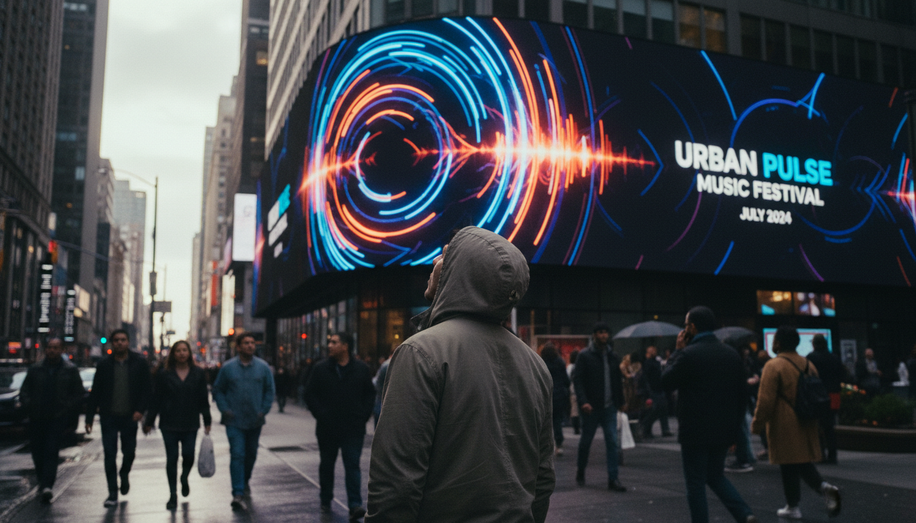

The out-of-home advertising landscape is experiencing a fundamental transformation in 2026, with brands increasingly recognizing that visual messaging alone no longer captures audience attention in an an oversaturated media environment. As marketers face declining trust in digital channels and pressure to demonstrate real-world impact, a compelling new frontier is emerging: the integration of audio elements with outdoor visual displays to create immersive, multi-sensory campaigns that engage audiences far more effectively than traditional static billboards.
This convergence of sound and sight represents a natural evolution in how outdoor advertising meets contemporary consumer expectations. Digital out-of-home (DOOH) technology, which now accounts for over 40% of total outdoor ad spend, has already transformed billboards from static fixtures into dynamic, responsive canvases. By layering sonic elements—from location-specific sound effects to directional audio branding—onto these increasingly sophisticated visual displays, advertisers can craft experiences that resonate across multiple sensory channels simultaneously.
The opportunity is particularly compelling because outdoor environments inherently offer unique acoustic possibilities that indoor digital channels cannot replicate. A transit shelter billboard paired with carefully calibrated ambient sound, a street-level display amplified by directional speakers, or an interactive DOOH installation enhanced by spatial audio can create moments of genuine connection that transcend traditional advertising. Research demonstrates that interactive and immersive outdoor formats can increase dwell time by 20 to 40 percent, fostering deeper brand relationships and generating shareable moments that amplify campaign reach. When sound joins vision in these experiences, the emotional impact intensifies.
The technical infrastructure supporting audio-visual integration is maturing rapidly. Programmatic DOOH platforms now enable automated buying and advanced audience targeting capabilities, allowing marketers to coordinate visual content with synchronized audio that adapts in real time based on traffic flow, time of day, and contextual factors. Smart city infrastructure and IoT-connected screens create opportunities for hyper-localized sonic branding—imagine a downtown corridor where each block features coordinated audio-visual messaging tailored to neighborhood demographics and real-time conditions.
Several compelling use cases are already emerging. Financial services and healthcare brands, sectors already embracing dynamic audio innovation, are natural early adopters. A bank’s billboard campaign might combine compelling visual storytelling with subtle sonic branding that reinforces trust and familiarity. Healthcare providers can layer empathetic audio narratives with clinical visuals to communicate complex information more effectively. Retail and consumer brands have equally compelling opportunities to create memorable brand experiences that drive foot traffic and online engagement.
The effectiveness of this multi-sensory approach aligns with broader shifts in how audiences consume media and make purchasing decisions. As zero-click search and AI-mediated discovery reshape digital interactions, attention—not clicks—has become the currency of marketing. Outdoor audio-visual experiences provide sustained, screen-free engagement at moments when audiences are genuinely receptive. The average listener spends over four hours per day with audio content, and outdoor environments capture attention during commutes, workouts, and public moments when visual focus is available but undivided.
Attribution and measurement frameworks, traditionally challenging for outdoor advertising, are evolving to support these integrated campaigns. Modern OOH measurement increasingly incorporates lift analysis, website attribution, and account-level engagement tracking that can connect audio-visual exposure with downstream business outcomes. This accountability infrastructure makes integrated audio-visual campaigns more appealing to performance-focused marketers accustomed to digital channel measurement standards.
As brands navigate an increasingly fragmented media landscape where consumer trust in purely digital channels continues eroding, the integration of audio elements with outdoor visual displays offers a pathway to authentic, memorable engagement. By blending soundscapes with visual storytelling, marketers can create outdoor experiences that lodge deeply in audience consciousness—transforming billboards from one-directional messages into dynamic, multi-sensory brand moments that resonate long after audiences move past them. Facilitating this advanced evolution, platforms like Blindspot provide the programmatic DOOH management and real-time attribution tools necessary to orchestrate, optimize, and measure these complex audio-visual campaigns, ensuring their emotional resonance translates into tangible business results. Learn more at https://seeblindspot.com/