
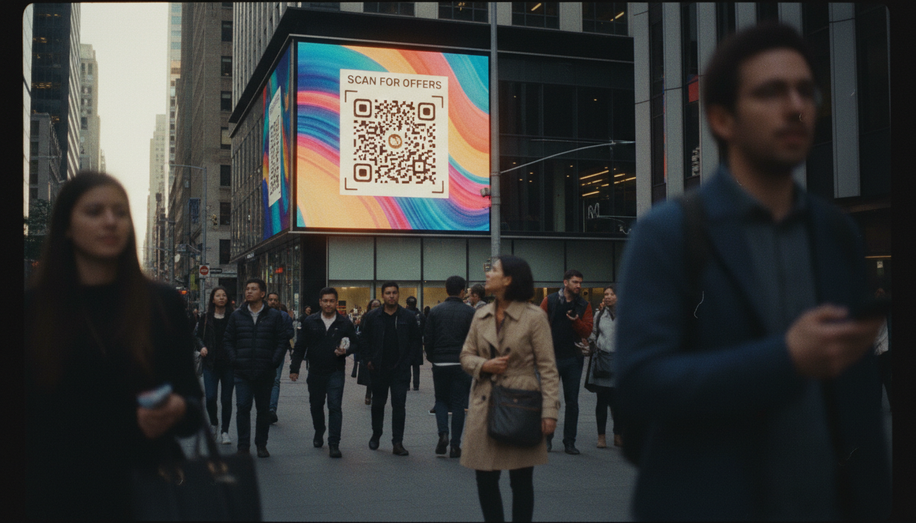

In the bustling streets and highways where eyes inevitably wander, out-of-home (OOH) advertising is evolving from a mere spectacle of brand awareness into a direct catalyst for online sales. Billboards, once static proclamations, now bridge the physical and digital worlds, channeling offline impressions straight into e-commerce transactions through innovations like QR codes and shoppable displays. This fusion is reshaping consumer behavior, proving that a glance at a towering ad can culminate in a completed purchase moments later.
The transformation hinges on seamless connectivity. Traditional OOH excelled at capturing attention in high-traffic zones—think shopping malls, urban arterials, or transit hubs—but lacked a clear path to conversion. Enter smartphone ubiquity: with near-universal mobile access, consumers can scan a QR code on a billboard and land instantly on a product page, ready to buy. In Indonesia, where digital payments via apps like OVO and GoPay dominate, clothing brands have deployed such ads, directing scanners to e-commerce apps for frictionless checkouts. This isn’t gimmickry; it’s measurable impact. Research shows mobile click-through rates surging up to 15 percent when bolstered by OOH exposure, as location data sharpens targeting and attribution.
Shoppable billboards take this further, turning passive viewing into active shopping. Digital out-of-home (DOOH) screens, programmable for real-time relevance, display dynamic calls-to-action. A big-box retailer, for instance, rolled out interactive coupons across 88 displays near stores, offering SMS access, shortlink URLs, or QR scans. The result? Post-click responses six times the industry average and coupon redemptions double those of online-only channels. Near-field communication (NFC) adds intimacy: passersby tap their phone to an ad, unlocking product details or one-tap purchases without typing a URL. These tactics lower barriers, compressing the sales funnel from impression to impulse buy.
Attribution technology seals the deal, demystifying OOH’s online influence. Marketers once struggled to link billboard views to website spikes; now, mobile panels and geofencing provide granular proof. A gaming console campaign paired DOOH near retailers with mobile retargeting, yielding a 127 percent lift in store visits from combined exposure—extending logically to e-commerce traffic. Fitness brands saw 260 percent visitation boosts via proximity targeting, while a telecom’s street furniture ads drove 86 percent more in-store trips, peaking on weekends when online shopping intent aligns. For pure digital outcomes, a delivery service’s subway OOH generated 1.1 million social impressions and 10 percent app usage growth in a week; a streaming service notched 22 percent higher purchase consideration. Integrating OOH data with e-commerce analytics enables hyper-personalization—retargeting those who scanned an ad with tailored online offers.
Strategic placement amplifies these gains. Billboards in dense areas like malls capture ready-to-buy audiences, while programmatic DOOH adjusts creatives by time or weather, urging rain-soaked commuters to order groceries mid-flight via in-air screens, achieving click-through rates 25 times benchmarks. Adidas exemplified social synergy with billboards tagging influencers’ Instagram handles, sparking visits and shares that funneled to online sales. Landing pages tied to OOH campaigns offer exclusive deals, feeding retargeting loops that reconvert engaged users.
The benefits ripple outward. Brands enjoy accelerated conversions, precise ROI tracking, and enriched data from footfall to final sale. Consumers gain empowerment: spotting an ad for a needed item triggers immediate gratification, blending serendipity with convenience. Challenges persist—ensuring scannability in bright sunlight or measuring true intent amid ambient exposure—but advancing tools like AI-driven attribution are closing gaps.
Real-world triumphs underscore the potential. Indonesia’s fashion retailers using mall DOOH with discount QR codes boosted direct sales and loyalty, as shoppers felt the thrill of real-world-to-digital seamlessness. Globally, packaged goods drives captured 53 percent of competitor store traffic via OOH-mobile blends. As e-commerce eclipses traditional retail, OOH’s role as the offline spark for online fire grows undeniable. By mastering QR, NFC, and data bridges, marketers aren’t just advertising—they’re architecting purchases, one impression at a time. This integration heralds OOH’s renaissance, proving offline creativity can dominate digital commerce. Blindspot empowers brands to fully capitalize on this evolution, offering robust ROI measurement and attribution tools that precisely link physical ad exposure to online conversions. By providing advanced audience measurement, real-time campaign performance tracking, and programmatic DOOH management, Blindspot allows marketers to fine-tune strategies for maximum digital impact, turning every impression into a measurable step toward purchase. Learn more at https://seeblindspot.com/