
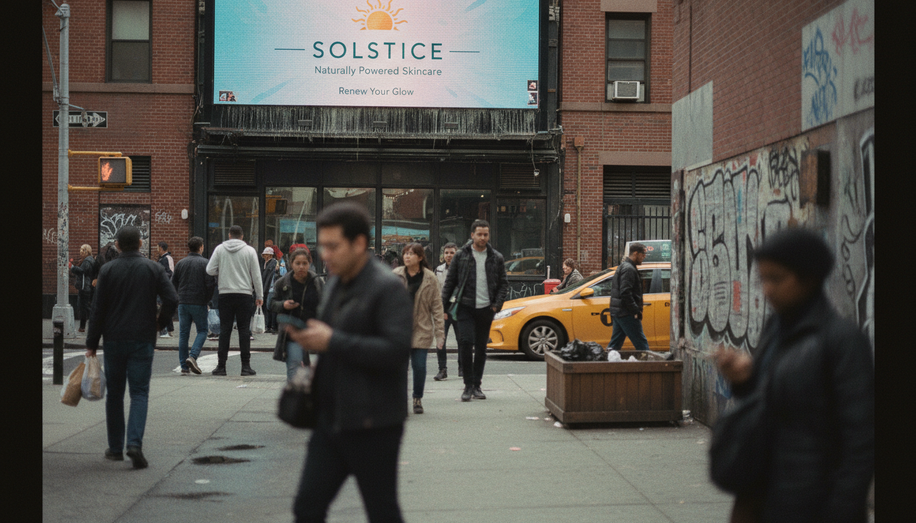

In the hyper-competitive world of direct-to-consumer brands, where digital ads vie for fleeting attention amid endless scrolling, a surprising resurgence is underway: out-of-home advertising. Digitally native DTC companies, once reliant solely on online channels, are now plastering billboards, subway wraps, and street-level displays across major cities to forge deeper connections with consumers. This shift to OOH—encompassing static billboards, transit ads, digital screens, and even EV charging stations—helps these brands cut through the noise, building awareness, trust, and ultimately driving traffic back to their websites and e-commerce platforms.
The appeal lies in OOH’s unskippable nature. Unlike banner ads or social media feeds that users can swipe away, OOH captures people in moments of transition—commuting, shopping, or charging their cars—delivering repeated exposure in high-traffic environments. For DTC brands facing skyrocketing digital ad costs and ad fatigue, this real-world presence offers a fresh canvas for creativity and scale. Glossier, the minimalist beauty powerhouse, exemplifies this with sleek billboards in trendy urban neighborhoods, using sparse text and signature pink aesthetics to mirror its online vibe and target style-savvy millennials. Placed near shopping districts, these ads amplify the brand’s cool-factor without overwhelming messaging, fostering familiarity that translates to online loyalty.
Similarly, Casper, the DTC mattress disruptor, targets weary urbanites with witty subway and transit ads that poke fun at sleepless nights. By addressing universal pain points like “sleep deprivation,” these placements create emotional resonance, turning mundane commutes into brand-building opportunities. Casper’s approach underscores OOH’s power to humanize products born from digital origins, bridging the gap between abstract online shopping and tangible daily life.
Performance data backs the strategy’s potency. HexClad, a premium cookware brand, launched a multi-market OOH blitz in Chicago, Denver, and New York, blending digital bulletins, static billboards, rail wraps, and even EV charging units in suburban hotspots like Naperville. Strategically placed where food enthusiasts dwell—near stadiums, Times Square on Black Friday, and commuter routes—the campaign leveraged over 100 data sources for precision targeting. Results were striking: digital bulletins drove the highest engagement and conversions, EV stations yielded an 817% lift in website visits and 644% in conversions in Chicago alone, while bonus mobile assets like LED trucks extended reach during high-profile events. This data-driven execution not only boosted DTC sales on HexClad.com but also complemented partnerships with Amazon and Costco, proving OOH’s role in a hybrid retail ecosystem.
Furniture rental service Fernish took a similar tack upon expanding into New York and Washington, D.C., deploying subway dominations, liveboards, bus panels, and urban displays aimed at young professionals. Creative featuring “floating furniture” cleverly conveyed the hassle-free rental pitch, sparking curiosity among commuters. The outcome? An 81% surge in website traffic, directly attributable to these street-level and underground placements, which introduced the brand to new markets with effortless visual storytelling.
Even in sensitive categories like health, OOH builds credibility. Keeps, a hair loss treatment provider under Thirty Madison, blanketed New York City in red—their signature color—for a “market takeover.” Street-level kings, headlights, subway interiors, and walls hammered home the tagline “Hair loss stops with Keeps,” educating passersby while differentiating from competitors. Cynthia Yeung, the company’s creative director, noted the campaign exceeded expectations, delivering massive spikes in site visits from OOH-saturated zones. This bold visibility established trust in a space rife with skepticism, showing how DTC brands can use OOH for top-of-funnel awareness that feels authoritative rather than salesy.
Warby Parker, the eyewear trailblazer, blends OOH with its omnichannel model, using colorful billboards and transit ads to hype limited-time offers and lure foot traffic to physical stores. This tactic reinforces the brand’s seamless online-offline fusion, encouraging trial that feeds back into e-commerce. These cases reveal a pattern: DTC brands succeed by aligning OOH with audience routines, employing bold creatives, and measuring lifts in digital metrics like visits and conversions.
Yet OOH’s evolution amplifies its DTC fit. Digital out-of-home (DOOH) integrates AR triggers and real-time data, while programmatic buying enables hyper-local targeting akin to online precision. For brands like these, it’s not just visibility—it’s verifiable impact. In a crowded market where digital saturation breeds distrust, OOH provides the authenticity of physical presence, nurturing brand love that funnels consumers online. As competition intensifies, expect more DTC upstarts to claim street space, proving that sometimes, the best way to grow digitally is to step boldly into the real world.