
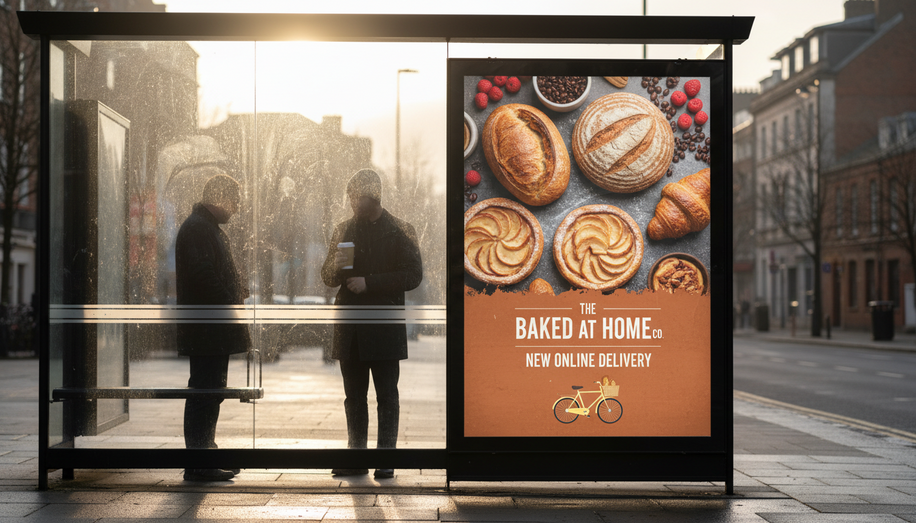

For the local entrepreneur juggling tight margins and fierce competition, out-of-home (OOH) advertising offers a potent yet accessible way to cut through the digital noise and claim real estate in customers’ daily lives. Far from the exclusive domain of big brands, OOH—encompassing billboards, transit wraps, bus shelters, and even indoor place-based displays—delivers hyper-local visibility that builds brand recall and drives foot traffic without draining a small business budget. With campaigns starting as low as a few hundred dollars per month, savvy owners can test waters, measure impact, and scale smartly, turning static signs into revenue engines.
The key lies in starting small and strategic. Define clear goals first: Are you raising awareness for a new coffee shop in a bustling neighborhood, promoting a seasonal sale at your boutique, or funneling commuters to your repair garage? Pinpointing objectives shapes everything from format to placement, ensuring every dollar targets the right audience where they live, work, and travel. In regions like Northern New England, for instance, options vary—Maine and Vermont ban traditional billboards, shifting focus to cost-effective transit ads on buses and shuttles, while New Hampshire and Massachusetts offer digital screens and highway boards for broader reach. Local media owners often provide asset books detailing these inventories, helping entrepreneurs match ambitions to available inventory without overcommitting.
Budgeting demands discipline, but OOH’s flexibility shines for small and medium-sized enterprises. A phased approach minimizes risk: Allocate $75 daily in month one—totaling around $2,250 monthly—to test high-traffic spots like commuter routes or near office clusters, tracking foot traffic spikes or coupon redemptions. If a bus shelter ad near your target demographic yields results, bump to $125 daily the next month, scaling to proven winners before expanding markets at $133 daily. Transit advertising, including exterior bus wraps or interior cards, proves especially budget-friendly, often ranging from hundreds to low thousands monthly depending on duration and production. Partner with regional providers who handle printing, installation, and reporting, freeing owners to focus on operations while tapping integrated networks of mid-sized transit systems.
Placement is where local savvy pays off. Become part of the daily commute by securing ads along popular routes—think arterials feeding office parks or retail strips—where eye-catching, succinct messaging sticks during those fleeting glances. B2B-oriented shops, like consulting firms or suppliers, thrive with place-based tactics: indoor ads in elevators or vending areas near target offices embed your brand in routines. For consumer-facing businesses, proximity rules—position near competitors, landmarks, or high-dwell zones like malls to siphon impulse traffic. Events amplify this: Sponsor local fairs or tradeshows with transit billboards circling venues, as one legal tech firm did to hit 329% ROI through social shares and leads. Partnerships with media owners and community events unlock tailored deals, placing ads by popular spots or customizing for neighborhood vibes, boosting engagement and repeat buys.
Creativity stretches limited funds further. QR codes bridge OOH to digital, inviting scans for discounts or site visits, while bold visuals and minimal text ensure quick absorption. Digital out-of-home (DOOH), where available, adds animations or data-driven relevance without steep premiums, enhancing favorability four times over static digital alone. Integrate with online efforts: OOH sparks searches and shares, creating a multiplier effect for email sign-ups or app downloads. Track via unique promo codes, Google Analytics lifts, or simple traffic counters to refine—proving ROI keeps campaigns lean.
Real-world examples underscore the model. Gawk Outdoor in regional Victoria democratized OOH for all budgets, partnering with locals to match big-player access, driving demand through community resonance. Summit Outdoor Media diversified into digital with data tools, attracting small clients via anonymized audience insights for precise targeting. These tactics translate universally: A neighborhood bakery wraps shuttles for event tie-ins; a gym claims bus shelters on fitness-commute paths. The result? Heightened visibility fuels word-of-mouth, the lifeblood of local loyalty.
Ultimately, OOH empowers entrepreneurs to own their turf affordably. By prioritizing goals, testing budgets, honing placements, and measuring relentlessly, small businesses harness OOH’s physical punch for outsized local impact—proving that bold visibility need not demand deep pockets. For entrepreneurs seeking to maximize every dollar in their OOH strategy, platforms like Blindspot offer crucial advantages. By leveraging robust location intelligence and audience analytics, businesses can precisely identify optimal ad placements and target demographics, ensuring strategic investments. Furthermore, real-time campaign performance tracking and integrated ROI measurement tools empower owners to continually refine their approach, proving tangible impact and scaling effectively without deep pockets. Learn more at https://seeblindspot.com/.