
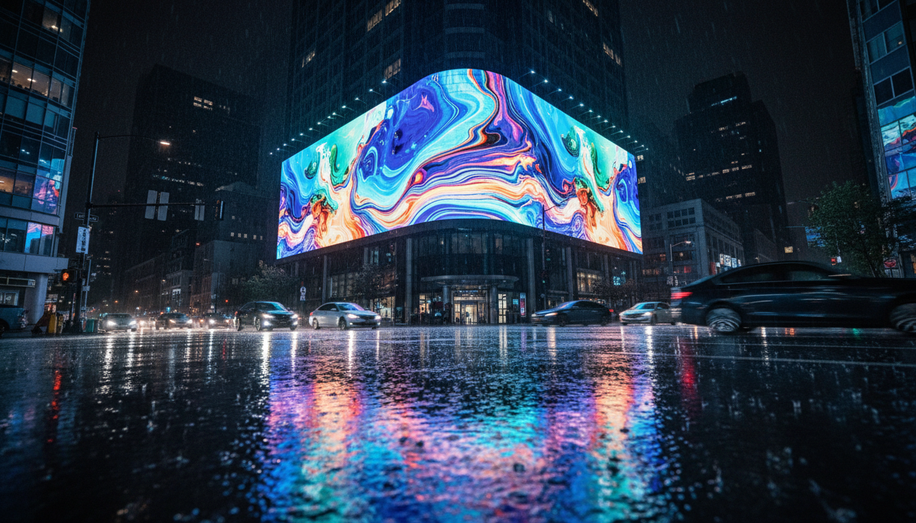

In the high-stakes arena of brand launches, out-of-home (OOH) advertising stands as a powerhouse for igniting anticipation and securing immediate market presence. Unlike digital channels that can be scrolled past in seconds, OOH commands attention in the real world, turning everyday commutes and urban strolls into moments of intrigue and discovery. For new products or brands, the blueprint begins with precision: crafting campaigns that tease, captivate, and convert passersby into early adopters.
The foundation of any successful OOH launch strategy lies in setting crystal-clear objectives. Brands must pinpoint whether the goal is to amplify visibility, spark foot traffic to stores or events, or prime social buzz ahead of availability. This clarity shapes every decision, from budget allocation to message framing, ensuring efforts are not scattershot but laser-focused on driving initial adoption. Consider a beverage giant unveiling a limited-edition flavor; objectives might prioritize teasing scarcity to build hype, measurable through surges in website visits or pre-orders. Without this anchor, even the flashiest billboard risks fading into the urban noise.
Strategic location selection elevates these objectives into action. High-traffic zones—busy intersections, transportation hubs, shopping districts—maximize exposures, but relevance trumps volume. Analyze audience demographics and behaviors: young professionals cluster in business corridors, families near parks, fitness enthusiasts by gyms. A new tech gadget launch might dominate billboards near co-working spaces, while a family-oriented app targets recreational areas. Foot traffic data and competitor mapping refine choices, ensuring ads intercept the right eyes at peak moments.
Design principles for OOH demand simplicity and stopping power, given the fleeting seven-to-ten seconds of viewer attention. Bold, contrasting colors pierce the environment, high-resolution visuals tell the story at a glance, and legible fonts ensure readability from afar. Infuse brand elements—logos, signature hues—for instant recognition, paired with a punchy call-to-action like “Scan to Pre-Order” or “Find Yours Nearby.” For launches, teaser creatives excel: cryptic phrases like “Coming Soon: Unlock the Future” paired with enigmatic imagery build mystery, priming curiosity without revealing too much.
Creativity transforms standard placements into cultural moments, amplifying buzz exponentially. Humor disarms, storytelling immerses, and interactive elements invite participation. QR codes linking to augmented reality experiences or exclusive launch videos extend the encounter digitally, while 3D installations or weather-reactive displays add surprise. Marvel’s Ant-Man campaign exemplified this with miniature billboards in unexpected spots, mirroring the hero’s size-shifting prowess and prompting shares across social feeds. Such tactics not only halt scrollers but propel user-generated content, turning viewers into advocates before the product even hits shelves.
Integration with digital channels weaves OOH into a seamless ecosystem, magnifying impact for launches. A provocative billboard teases a product drop, directing traffic to Instagram reels or landing pages via QR scans. Location-based targeting delivers personalized follow-ups to nearby phones, like geo-fenced offers for store visits. Coca-Cola’s “Share a Coke” masterclass personalized bottles while OOH amplified the hunt, blending physical discovery with viral sharing. This omnichannel synergy fosters deeper engagement, tracking lift from impressions to conversions via unique promo codes or pixel tracking.
Real-world activations supercharge the blueprint. Pair OOH with pop-up events—product demos, mini-concerts, free trials—in ad-proximate spots to convert intrigue into trials. A street-side sampling station beneath a glowing digital billboard bridges awareness to adoption, gathering data on preferences while creating shareable experiences. Measuring success demands rigor: track footfall via Bluetooth beacons, social mentions, or sales uplift pre- and post-campaign. Adjustments, like swapping creatives for daypart relevance, keep momentum alive.
Challenges persist—weather, regulations, clutter—but the blueprint mitigates them through research and agility. Emerging digital OOH formats, with dynamic content shifts, offer programmatic precision for launches, rotating teasers by time or audience flow. Budgets stretch further when objectives align with high-ROI spots, proving OOH’s cost-effectiveness for mass reach.
Ultimately, this OOH blueprint equips brands to launch not with a whimper, but a roar. By methodically building anticipation through targeted visibility, magnetic creativity, and integrated experiences, new entrants claim mindshare swiftly and enduringly. In a crowded marketplace, those who master the streets don’t just advertise—they orchestrate the debut of the year.