
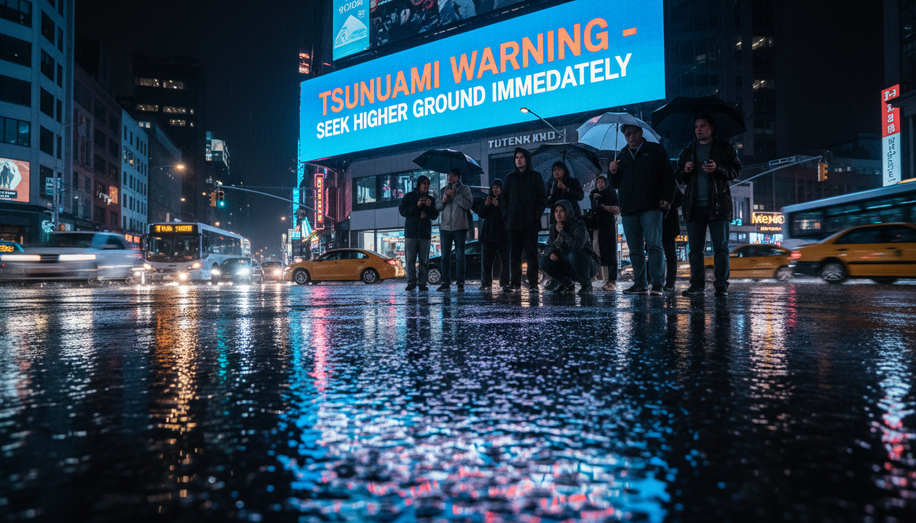

When crisis strikes, seconds matter. Traditional communication channels become overwhelmed, digital platforms succumb to misinformation, and communities desperately need reliable, immediate information about evacuation routes, shelter locations, and safety protocols. Out-of-Home (OOH) advertising—the omnipresent medium of billboards, transit displays, and digital screens embedded throughout our cities—has emerged as an underutilized but vital infrastructure for emergency communication that reaches people where they are, not where they might be scrolling online.
The distinction between crisis communication and social good messaging is fundamental. While purpose-driven campaigns build long-term brand affinity, crisis messaging serves an immediate, life-critical function. OOH media occupies a unique position in this emergency landscape. Unlike social media platforms that require active engagement, OOH reaches passive audiences in public spaces during their daily routines—commutes, parking transactions, street navigation. When an environmental disaster forces evacuations or a public health emergency demands immediate action, these high-traffic locations become critical information channels.
The speed advantage is decisive. Real-time alert systems can push emergency messaging to digital OOH networks within minutes, bypassing the delays inherent in traditional broadcast media or the algorithmic uncertainties of social platforms. A digital screen in a transit station, parking garage, or highway corridor can display evacuation instructions, shelter locations, or safety warnings to thousands of people simultaneously. This immediacy proves especially valuable for populations with limited smartphone access or those experiencing digital fatigue during prolonged crises.
OOH’s physical permanence provides psychological reassurance that ephemeral digital content cannot match. A clearly visible emergency message on a large outdoor screen creates tangible evidence that authorities are actively communicating, that institutions are functioning, and that help is being coordinated. This visible institutional presence becomes crucial for maintaining public trust and reducing panic during chaotic situations. The medium’s scale matters considerably—research demonstrates that larger advertisements command significantly more attention and engagement, a principle directly applicable to emergency communications where visibility can determine whether critical information reaches vulnerable populations.
Geographic precision represents another critical advantage. Unlike national broadcast networks or algorithm-dependent social feeds, OOH networks can target specific neighborhoods, transit corridors, or disaster zones with customized messaging. During localized crises—flooding in one district, chemical incidents near industrial areas, gas leaks affecting specific neighborhoods—OOH allows authorities to reach affected populations with hyper-relevant information while avoiding unnecessary alarm in unaffected areas.
The coordination challenge that plagued crisis communication in previous decades has become manageable through integrated OOH networks. Emergency management agencies can now deploy consistent messaging across hundreds of locations simultaneously, ensuring the unified, repetitive communication that research confirms is essential for message retention during high-stress situations. This consistency proves particularly vital in crisis contexts where conflicting information can undermine public compliance with safety directives.
However, effective deployment requires pre-crisis planning. OOH networks must be integrated into emergency communication protocols before disasters occur. Advertising companies, municipalities, and emergency management agencies need formal agreements establishing how commercial networks transition to emergency communication during crises. Training, designated spokespersons, and transparent protocols must be established in advance. The question of who controls messaging—municipal authorities, emergency services, or media companies—demands clear resolution before crisis unfolds.
The financial sustainability of this infrastructure also requires attention. Unlike traditional advertising, emergency communication generates no revenue. Yet maintaining robust OOH networks capable of rapid emergency deployment requires ongoing investment in digital infrastructure, real-time monitoring capabilities, and integration with emergency management systems.
OOH’s role in crisis communication extends beyond supplementing other channels. It represents a necessary redundancy in multi-layered emergency information systems. When power outages disable digital infrastructure, when misinformation floods social platforms, when people are displaced from their normal media consumption patterns, outdoor screens remain visible, accessible, and capable of delivering information that can save lives. For modern crisis communication, this physical, persistent, immediate medium deserves recognition as essential public infrastructure, not merely commercial space available during emergencies.