
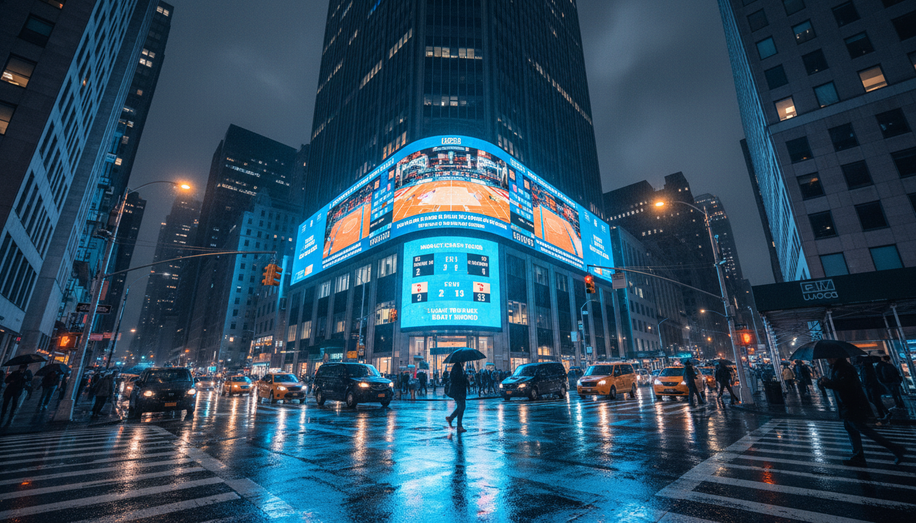

Digital Out-of-Home advertising has undergone a fundamental transformation, evolving from static billboards into a sophisticated, data-driven channel that responds to the world in real time. At the heart of this revolution lies the integration of live data feeds that enable digital screens to deliver contextually relevant messages at precisely the moment they matter most to audiences.
The traditional out-of-home landscape operated on fixed schedules and predetermined creative placements. Advertisers purchased billboard space and lived with their message for weeks or months, regardless of changing circumstances. Today’s DOOH platforms have shattered those constraints. By tapping into real-time data streams—encompassing weather conditions, traffic patterns, sports scores, news events, and local happenings—digital billboards can now adjust their messaging instantaneously. This capability transforms advertising from a passive medium into an active, responsive channel that speaks directly to what audiences are experiencing at that exact moment.
Weather-triggered advertising exemplifies this dynamic approach in action. Imagine a retail brand with digital displays across multiple locations. When rain is detected in one city, the system automatically serves ads promoting umbrellas or indoor shopping experiences. Simultaneously, in a sunny location, the same advertiser’s creative shifts to showcase outdoor products or summer-themed messaging. This contextual relevance doesn’t just grab attention—it compels action. According to a Harris Poll conducted for the Outdoor Advertising Association of America, 49% of respondents said DOOH ads made them more likely to take action, demonstrating that responsive, timely messaging drives measurable engagement.
Traffic and vehicle data unlock similar opportunities for roadside digital billboards. As traffic flow patterns shift throughout the day, screens can adjust messaging based on congestion levels, commute times, or vehicle types detected nearby. During rush hour, advertisers might emphasize convenience-focused products, while off-peak hours allow for more elaborate creative storytelling. This dayparting capability—the ability to vary creative based on time of day—ensures messages align with audience mindsets and behaviors rather than following a rigid schedule.
The sports and entertainment sector particularly benefits from real-time triggers. A beverage brand can instantly update its messaging to reference a live game score, while concert venues or event promoters can sync their DOOH creative with breaking news about performances or ticket releases. This cultural agility keeps advertising relevant within the rapidly shifting context of modern life, creating moments of resonance that feel timely and authentic to viewers.
Beyond simple content swaps, programmatic DOOH platforms use aggregated data signals to inform both creative delivery and audience targeting with unprecedented precision. Footfall data reveals where and when specific demographic groups congregate, allowing advertisers to sequence messages across multiple locations in ways that effectively follow audiences through their daily journeys. Retailers can synchronize DOOH campaigns with real-time inventory levels, showcasing products actually in stock at nearby stores, or highlighting sales when supply levels shift.
This technological infrastructure operates through automated trigger systems that require minimal human intervention. Once advertisers establish rules—such as “display this creative when temperature drops below 50 degrees” or “activate this message during local sporting events”—the system continuously monitors live data feeds and executes responses without manual oversight. The result is advertising that feels naturally integrated into audiences’ real-world experiences rather than imposed upon them.
Measurement capabilities have evolved alongside creative flexibility. Advanced multi-sensor technology combining Bluetooth, Wi-Fi, cameras, and location data now captures who sees ads and how audiences move through environments, providing near real-time insights into exposure and behavior. This enables advertisers to measure campaign impact not just through impressions, but through footfall attribution and brand lift metrics.
For advertisers seeking to maximize relevance without relying on personal data identifiers, real-time contextual DOOH represents a privacy-compliant path forward. By anchoring messaging to environmental conditions and moments rather than individual tracking, brands can achieve precision targeting while respecting privacy concerns that increasingly constrain other advertising channels.
The power of DOOH ultimately lies in its ability to collapse the gap between message creation and message delivery. In an environment where relevance has become currency and attention is fragmented, the capacity to respond to real-world conditions instantly transforms outdoor advertising from a broad-awareness play into a precision engagement tool that connects with audiences when they’re most receptive.