
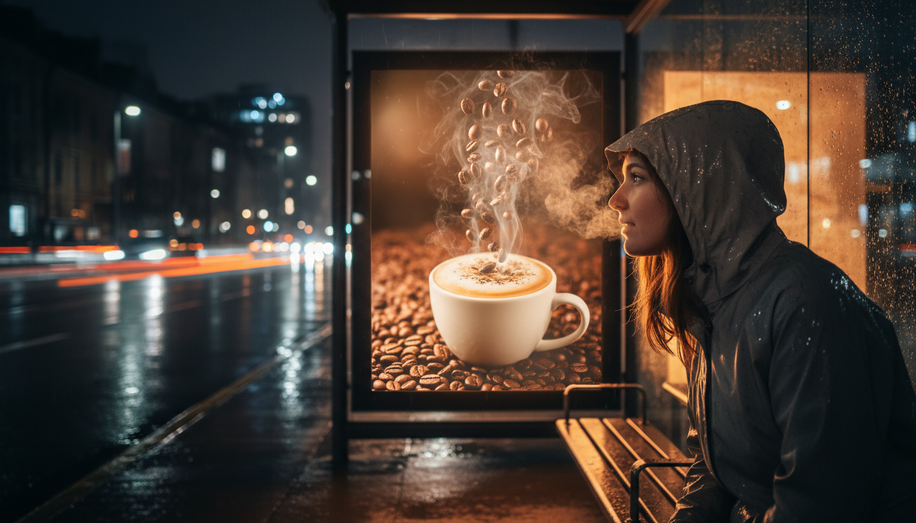

In the bustling streets of global cities, out-of-home (OOH) advertising is evolving beyond static visuals to deliver immersive experiences that captivate the nose, ears, and even fingertips, forging deeper connections with audiences. These multisensory campaigns leverage scent, sound, and touch—where local regulations permit—to amplify recall and emotional resonance, transforming passive glances into unforgettable encounters. As urban dwellers navigate sensory overload, brands are pioneering innovations that make billboards pulse with life, proving that engagement extends far beyond the eyes.
Take the Piccadilly Lights in London, where Coca-Cola and others have deployed staggering 3D visuals that mimic crashing waves or soaring flights, drawing crowds to a standstill with hyper-realistic motion. In Times Square, Samsung elevated this further with a colossal 3D wave that appeared to surge from the screen, generating viral buzz through its lifelike immersion. These visual spectacles set the stage, but true multisensory magic emerges when additional senses join the fray. Pepsi Max’s “Unbelievable Bus Shelter” in New York turned waiting commuters into unwitting participants, deploying augmented reality (AR) to unleash a tiger prowling toward them or a UFO hovering overhead, blending sight with the thrill of surprise to cement the brand’s audacious image.
Sound and scent push boundaries even further. British Airways’ “Magic of Flying” billboard in London synchronized real-time flight data with a digital child pointing skyward as planes roared overhead, evoking wonder through synchronized audio cues and visuals that mirrored the actual flyby. Meanwhile, Billie deodorant’s scratch-and-sniff billboard invited passersby to rub a panel, releasing a tropical fragrance that cut through urban clamor, sparking millions of TikTok views and influencer shares as people got tactile and olfactory. Baileys took a similar tack during holiday campaigns, infusing digital OOH displays with the creamy allure of its signature scent, enhancing seasonal nostalgia and boosting recall in festive crowds.
Touch invites direct interaction, where feasible. KitKat’s “Have a Break” billboards in Colombia featured ergonomic structures that dispensed free massages when users leaned back, literally embodying relaxation and leaving a physical imprint aligned with the chocolate’s respite messaging. HOKA’s Manhattan desert activation for the Mafate X trail shoe went all-in, converting a city block into a Joshua Tree simulacrum complete with wind-swept heat, rocky terrain underfoot, layered desert audio, and a synchronized treadmill against an Unreal Engine backdrop that shifted with each runner’s pace. Passersby felt the grit and gusts, turning a standard OOH spot into a full-body trial run that blurred advertising with lived experience.
Augmented reality amplifies these elements across public spaces. Verizon’s murals in Miami neighborhoods like Hialeah and Coconut Grove sprang to life via smartphone cameras, unveiling 3D creatures, glowing cityscapes, and vine-entwined circuits that narrated tales of connectivity, merging sight with digital soundscapes. In metro Detroit, Electrifly’s 15 AR murals embedded audio stories and explorable 3D layers, powered by platforms like BrandXR, drawing thousands to scan and immerse without technical hurdles. Vodafone billboards similarly hid interactive portals with 3D graphics and mini-games, surprising viewers with auditory prompts and gamified touch responses that fueled social sharing.
These campaigns thrive on science: engaging multiple senses heightens memory retention, with studies affirming that multisensory input creates stronger neural pathways than vision alone. Emotional bonds form faster too, as scents trigger nostalgia—think Baileys’ holiday whiff evoking cream-laced cheer—while touch and sound personalize the encounter, differentiating brands in cluttered environments. McDonald’s “Pick n’ Play” billboard in Sweden rewarded smartphone gamers with free McFlurrys, channeling fun into foot traffic via interactive audio-visual play.
Yet innovation respects limits. Regulations often curb scents or sounds in sensitive areas, prompting hybrid digital-physical solutions like AR that simulate senses safely. HOKA’s block-wide immersion, for instance, wove natural elements into regulated spaces without overstepping. Critics note scalability challenges—scratch panels wear out, and AR demands phones—but virality compensates, as Billie’s olfactory stunt and Pepsi’s shelter antics demonstrate through exponential online reach.
Looking ahead, multisensory OOH signals a paradigm shift. As technologies like haptic feedback and AI-driven personalization mature, expect billboards that adapt scents to weather or sounds to commuter moods, where permitted. Brands like these aren’t just seen; they’re felt, heard, and remembered, redefining public spaces as arenas of profound engagement. In an era of fleeting attention, this sensory symphony ensures OOH remains not just visible, but visceral.
Yet, for these profound, multisensory OOH engagements to translate into clear business value, robust measurement is critical. Blindspot empowers brands to move beyond mere spectacle, offering unparalleled audience measurement and ROI attribution to quantify the impact of every scent, sound, and touchpoint, ensuring these immersive campaigns strategically connect with the right urban dwellers. This strategic insight, coupled with location intelligence for optimal site selection, guarantees that even the most innovative OOH experiences are not just visceral, but demonstrably effective. Learn more at https://seeblindspot.com/