
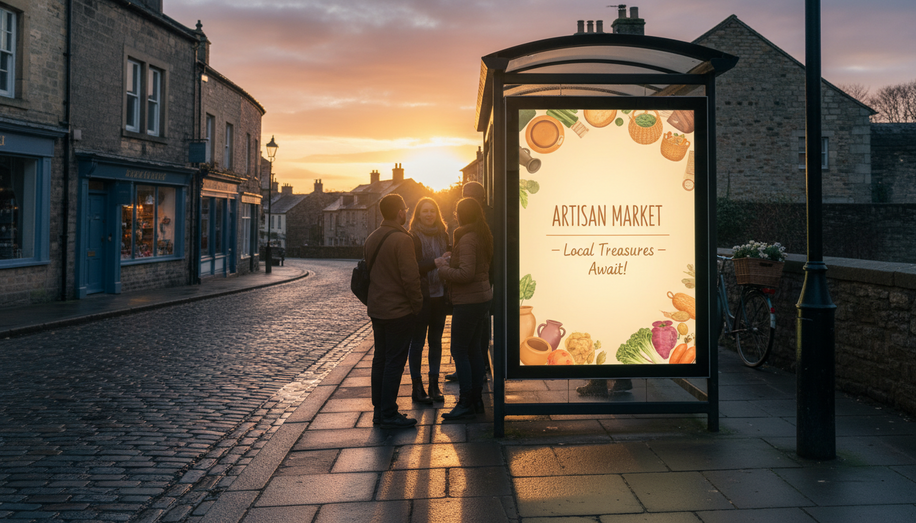

In the bustling terminals of international airports and the vibrant arteries of city centers, out-of-home (OOH) advertising is reigniting wanderlust, drawing travelers toward hidden local gems with vivid imagery and timely messages. As global tourism surges past pre-pandemic levels, cities, regions, and attractions are leveraging this tactile medium to bridge the gap between digital daydreams and real-world exploration, targeting both visitors already in motion and residents eager for nearby escapes. Far from static billboards of the past, modern OOH—especially digital out-of-home (DOOH)—delivers dynamic, context-aware campaigns that inspire, guide, and convert, proving its worth in an era where travelers crave authentic, offline experiences.
Travel marketers have pinpointed OOH’s unmatched ability to capture audiences at pivotal decision-making moments, such as airport lounges or transit hubs where plans solidify. High-dwell environments like these offer premium visibility, with research showing OOH sparking strong recall and engagement among mobile audiences dreaming of their next getaway. Broadsign data underscores the channel’s momentum: travel’s share of OOH ad spend climbed from 3.8% in 2023 to 5.7% in 2024, hitting 8% in early 2025, crowning it the top vertical for the medium that year. This growth stems from OOH’s cost efficiency—average cost per thousand impressions (CPM) ranges from $2 to $9 USD, far below connected TV or paid social—while delivering performance that outpaces rivals. Studies from the Out of Home Advertising Association of America (OAAA) and Comscore reveal OOH drives online activation rates five to six times higher than TV, video, radio, or banners, turning passive views into active bookings.
What sets OOH apart for tourism is its emotional punch and contextual precision, immersing viewers in aspirational visuals that evoke escape and discovery. A survey cited by industry analysts found 72% of travelers inspired to visit a destination after encountering OOH ads, with campaigns 2.5 times more likely to prompt online action when linked to mobile retargeting. DOOH amplifies this through innovations like proximity targeting, activating screens near airports, hotels, or travel agencies to stay top-of-mind during opportune moments. Time- and day-parting further refines reach, scheduling messages for peak travel windows, such as weekend mornings or evening commutes. In London, EasyJet capitalized on this during winter, blanketing railway stations with real-time flight deals to ski spots amid chilly weather, boosting mobile click-through rates by up to 15% and funneling traffic to digital booking platforms.
Beyond inspiration, OOH excels at guiding visitors to local treasures once they’re on the ground. Transit ads and street-level displays direct tourists to under-the-radar spots—think artisanal markets, scenic trails, or pop-up events—promoting experiences that foster deeper connections. Mobile billboards take this mobility further, weaving through urban routines to subtly shift perceptions and keep destinations front-of-mind for both newcomers and locals. For regions facing dips in international arrivals, OOH pivots effectively toward domestic audiences, filling attractions with nearby adventurers through targeted local placements. This dual appeal extends to residents, encouraging “staycations” that spotlight overlooked gems like neighborhood festivals or hidden eateries.
Creative executions elevate OOH from mere awareness to memorable storytelling. Visit Seattle’s “I Know A Place” campaign ditched conventional billboards for a branded treat truck roaming feeder cities like Dallas and Minneapolis, dispensing Seattle-inspired bites to evoke the city’s essence and drive inquiries. Such experiential tactics, paired with AI-driven planning, allow tourism boards to stand out in crowded markets, blending physical presence with digital measurability. Programmatic buying enables real-time tweaks—weather-triggered ads for sunny beach escapes or location-based promotions for nearby hikes—ensuring relevance that digital alone can’t match.
For destination marketers, OOH’s resurgence signals a return to tangible impact in a screen-saturated world. It lures travelers offline by meeting them where they roam, from airport digital walls flashing emerald coastlines to urban buses touting craft brew trails. This offline lure complements online efforts, with OOH’s broad visibility and low CPM enabling scalable reach without diluted messaging. As 2025 data shows DOOH comprising over half of OOH spend in major markets, the channel’s evolution into a data-rich powerhouse promises even greater ROI for those promoting local authenticity amid global wanderlust.
Ultimately, OOH transforms passive passersby into purposeful explorers, proving that in tourism marketing, the most compelling journeys begin with a glance upward from the street. Platforms like Blindspot empower destination marketers to fully leverage this shift, offering programmatic DOOH campaign management, location intelligence for hyper-targeted real-time messaging across key travel touchpoints, and robust ROI measurement to ensure campaigns not only inspire wanderlust but demonstrably guide visitors to authentic local experiences. Explore how Blindspot transforms passive views into active exploration with measurable impact at https://seeblindspot.com/