
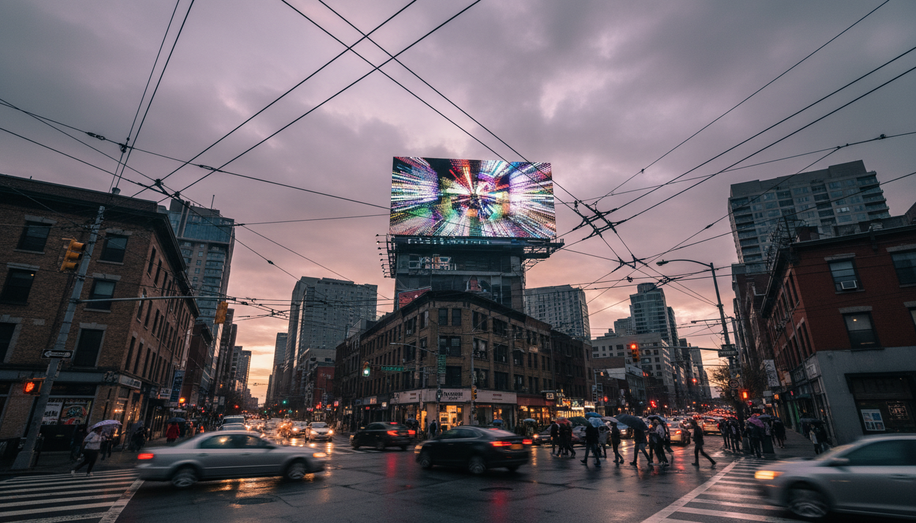

In the high-stakes world of out-of-home advertising, where a single billboard can reach millions of eyes daily, success hinges not just on creative brilliance but on mastering a patchwork of regulations that govern every sign’s placement. Traditional OOH formats like billboards, posters, and transit displays operate in a landscape shaped by federal mandates, state laws, and hyper-local zoning rules, creating a regulatory maze that demands meticulous navigation to avoid costly delays, fines, or outright removals.
At the federal level, the Highway Beautification Act of 1965 sets the foundational framework, requiring states to exert “effective control” over outdoor advertising along interstate, primary, and secondary highways. This means billboards are largely confined to zoned or unzoned commercial and industrial areas, with strict limits on size, lighting, and spacing to preserve scenic views and highway safety. The Act permits “reasonable, orderly, and effective display” but empowers states to negotiate agreements with the U.S. Department of Transportation, leading to variations that advertisers must scrutinize. For instance, signs cannot encroach on highway rights-of-way, mimic traffic warnings like “STOP” or “SLOW DOWN,” or sit in flood-prone drainage channels where they might damage infrastructure during storms.
Layered atop this are state-specific statutes, often mirroring federal guidelines but adding unique twists. In Arizona, for example, the Department of Transportation mandates permits for any billboard visible from regulated highways, separate from local approvals. These permits cover new erections, modifications, ownership transfers, and even zoning certifications, with applications detailing compliance to statutes like A.R.S. 28-7901 through 28-7915. On-premise signs—those advertising activities on the same property—are exempt from state size, location, and spacing rules, as are real estate “for sale” or “for lease” displays. Yet, anything within 660 feet of a highway edge must align with director-approved standards, including bearing visible permits.
Permitting processes exemplify the bureaucratic ballet required for OOH campaigns. Prospective sites demand dual vetting: state highway permits alongside municipal or county sign ordinances. Arizona’s forms range from auto-fill new sign applications to modification requests, each scrutinized for location eligibility—prohibited near residential zones, too close to intersections (often 500 feet minimum on controlled routes), or in unauthorized areas for electronic variable message signs (EVMS). EVMS face extra hurdles: they must remain static for at least eight seconds, transition in under two, dim after 11 p.m., and confine new installations to designated statewide zones post-2012, lest they lose conforming status. Fail to notify regulators of conversions, and nonconformance could trigger takedowns.
Local regulations amplify this complexity, varying wildly by jurisdiction. Cities and counties enforce zoning that funnels billboards into industrial corridors, caps ad sizes, and dictates setbacks from roads or residences. Content guidelines loom large too: the Master Settlement Agreement bans tobacco ads on billboards nationwide, limits retail exterior signs to 14 square feet, and prohibits them in transit or public venues like malls. Cultural sensitivity rules in diverse markets may bar provocative imagery, while language mandates ensure accessibility. Advertisers ignore these at their peril; Pearl Media warns that pre-campaign checks for permits, size restrictions, and display protocols are non-negotiable to sidestep violations.
Even grandfathered nonconforming signs—those lawfully erected before cutoff dates like April 1, 1970, for business areas—retain rights but must display permits and adhere to maintenance rules. Directional signs for tourist attractions or official notices enjoy exemptions, but only if federally approved in hardship zones. Intersection rules add another layer; many states mandate 500-foot buffers from interchanges to safeguard driver visibility.
For OOH professionals, the path forward lies in proactive due diligence. Engage permitting experts early, cross-reference federal-state-local codes via resources like state DOT portals, and audit sites for zoning compliance. Digital tools now streamline applications, but human oversight remains key to decoding nuances, such as Arizona’s EVMS intensity controls tied to sign dimensions. Partnering with compliant media owners—who often hold existing permits—mitigates risks, as does content vetting for prohibited industries beyond tobacco, like alcohol in certain zones.
This regulatory thicket, while daunting, underscores OOH’s enduring power: when placed legally, these unmissable canvases drive unmatched engagement. Campaigns that clear the maze not only endure but thrive, turning potential pitfalls into prime real estate. As urban landscapes evolve, staying ahead means treating compliance as creative fuel—ensuring every billboard stands tall, legally unassailable, and impossible to ignore. For OOH professionals, navigating this intricate web of rules becomes more manageable with platforms like Blindspot, which offer robust location intelligence and site selection tools. These capabilities empower advertisers to identify and vet potential display locations against a multitude of federal, state, and local regulations, significantly streamlining compliance and mitigating the risk of costly infractions. Discover how to transform regulatory challenges into prime advertising opportunities at https://seeblindspot.com/