
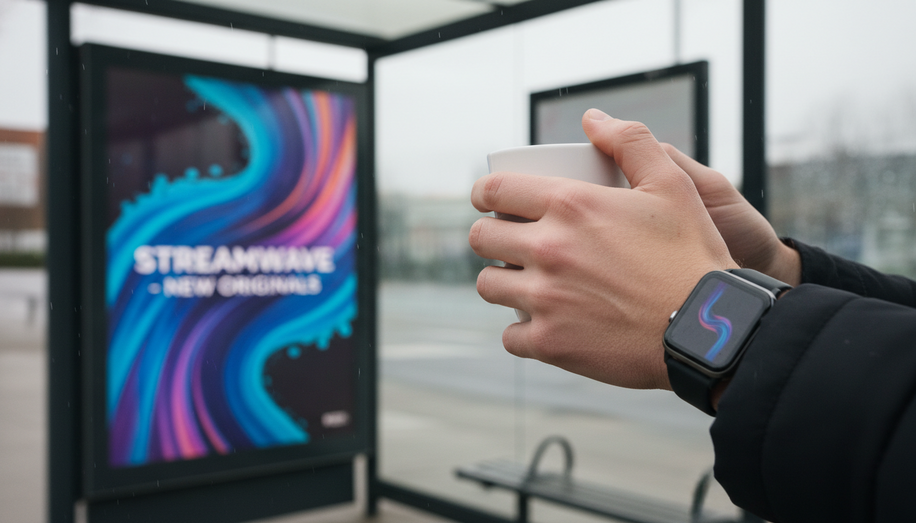

In the fast-evolving landscape of out-of-home (OOH) advertising, marketers have long grappled with proving value beyond basic impressions or fleeting glances. Traditional metrics like return on investment (ROI) fall short when it comes to capturing the subtle, long-term shifts in consumer minds—those critical moments when a billboard sparks recognition or nudges someone toward a purchase. Instead, advanced methodologies such as brand lift studies are redefining success, offering precise ways to quantify boosts in brand awareness, ad recall, perception, and purchase intent.
Brand lift, at its core, measures the incremental change in consumer attitudes and behaviors attributable to an OOH campaign. Unlike digital ads where clicks provide immediate feedback, OOH’s mass-reach nature demands indirect yet rigorous evaluation. The gold standard involves pre- and post-campaign surveys that establish a baseline and compare exposed audiences against unexposed control groups. Before launch, marketers survey a representative sample on metrics like familiarity with the brand or recall of key messages, ensuring clear, unbiased questions such as “How familiar are you with [brand name]?” or “Have you seen ads for [brand name] recently?” Post-campaign, the same panel—often sourced from opted-in, first-party data providers—reveals lifts, reported with 95% statistical confidence to isolate the ad’s true impact.
Central to these studies are key metrics that map the marketing funnel. Brand awareness tops the list, gauging how many more people recognize or spontaneously recall a brand after exposure. For instance, aided awareness might ask respondents to identify a brand from a list, while unaided tests probe top-of-mind status. High-performing OOH campaigns have delivered up to 20% lifts in awareness, as seen in a streaming service’s effort that combined billboards with mobile tracking. Closely related is ad recall, which tests if viewers link specific creative elements—like a tagline or visual—to the brand. A potent question: “Which brand uses this message in its advertising?” Dynata’s research shows strong ad recall signals not just visibility but effective message linkage, with low recall often pointing to creative tweaks needed for brand clarity.
Perception and favorability delve deeper, assessing shifts in how consumers view the brand. Surveys probe sentiments like trustworthiness or positivity, revealing if OOH elevates credibility. Blip Billboards highlights brand favorability as a core lift indicator, where post-campaign tests confirm if exposure fosters warmer associations. Brand consideration and purchase intent follow, measuring likelihood to choose or buy from the brand. These upper-funnel wins are vital; Nielsen data underscores that brand recall drives 38.7% of overall lift in emerging media like digital OOH (DOOH), outpacing even baseline awareness at 37.5%. In one fitness brand case, OOH paired with mobile yielded a 260% intent surge, proving the medium’s power to convert passive views into action.
OOH’s unique strengths amplify these methodologies. Proximity-based targeting in DOOH allows brand lift surveys to ping nearby audiences for real-time feedback on recall, awareness, and intent, turning screens into data hubs. Location metrics enhance this: foot traffic spikes or nine-plus exposures correlate with 40% higher visitation rates. Digital integrations add layers—AdQuick’s Search Lift tracks branded keyword surges post-campaign, linking OOH sightings to online queries and traffic. Outsmart research ties OOH to 38% uplifts in mobile actions and 15% higher click-through rates when synced with digital. Even podcasts, an OOH analog, boost aided recall to 71% and awareness by 13 points, hinting at outdoor’s untapped recall potential.
Implementing these approaches requires precision. Start with baseline surveys via panels like Dynata’s, ensuring matched test-control groups to eliminate bias. Run campaigns with frequency caps—optimal exposures maximize response without fatigue. Post-analysis, dissect lifts: a 22% consideration jump for that streaming service validated OOH’s role in favorability and intent. Tools like Google Trends or console data spot search interest spikes, while viewable impressions confirm exposure quality.
Challenges persist. Self-reported surveys risk recall bias, though randomized controls mitigate this. OOH’s uncontrollability—viewers pass by unpredictably—demands large samples for statistical power. Yet, as Broadsign notes, these studies deliver “concrete data” for optimizations, from refining creatives to extending reach. Soofa emphasizes blending lift with reach, frequency, and conversions for holistic views.
Forward-thinking advertisers are embedding lift measurement from day one. A major fitness chain’s 260% intent lift via OOH-mobile fusion shows the payoff. As DOOH evolves with data capabilities, expect tighter attribution—proving not just if consumers saw the ad, but how it reshaped their world. In an era demanding proof over promises, these methodologies elevate OOH from backdrop to brand builder, where recall today fuels tomorrow’s sales.
Platforms like Blindspot are poised to revolutionize this measurement, offering sophisticated audience measurement and location intelligence to refine test-control group selection and understand who is truly exposed. By integrating real-time campaign performance tracking with robust ROI measurement and attribution tools, Blindspot empowers marketers to move beyond mere impressions, directly linking OOH exposures to quantifiable uplifts in awareness, recall, and purchase intent, thus solidifying OOH’s role as a potent brand builder. For more insights, visit https://seeblindspot.com/