
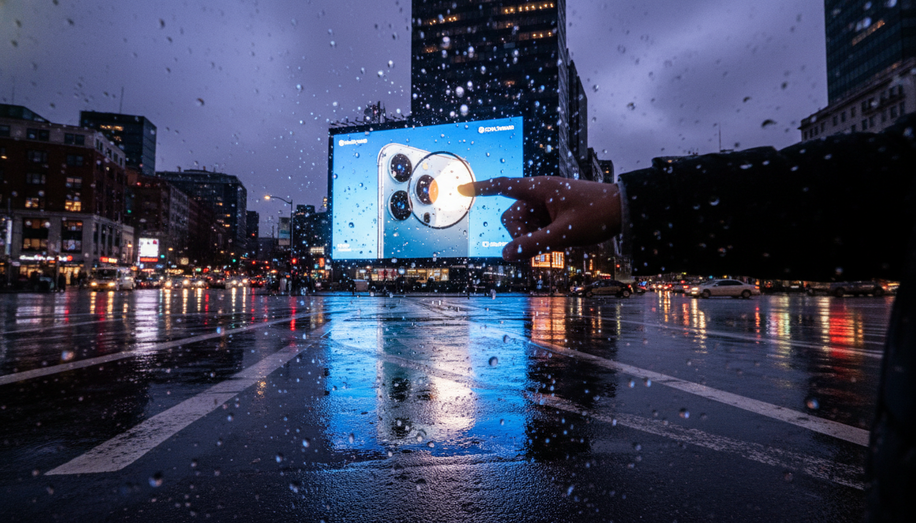

In the bustling streets of modern cities, out-of-home (OOH) advertising has long relied on bold visuals to capture fleeting glances, but a new era demands more than passive observation. Interactive OOH is transforming static billboards and digital screens into dynamic portals that invite audiences to touch, gesture, scan, and even feel a brand’s message, fostering deeper connections in an attention-scarce world.
Consider the evolution from mere motion-activated displays to sophisticated systems powered by artificial intelligence and sensors. GMC’s campaign for the Acadia SUV exemplifies this shift: cameras embedded in digital billboards analyzed passersby’s demographics—detecting age, gender, group composition, even smiles or frowns—to serve one of 30 tailored video ads. Viewers could then engage in gesture-based games like Simon Says or staring contests, or explore virtual vehicle interiors and book test drives without touching the screen. This real-time personalization turned commuters into participants, blurring the line between advertisement and entertainment.
Gesture-controlled interfaces represent another leap, eliminating physical barriers while amplifying immersion. In high-traffic urban hubs like Dubai, motion sensors enable hand-wave interactions on towering digital billboards, allowing users to manipulate content such as augmented reality (AR) try-ons or live social media feeds. These setups not only boost dwell time but also collect valuable data on engagement patterns, helping brands refine future campaigns with insights into viewer behavior and preferences.
QR codes and near-field communication (NFC) serve as simple yet powerful gateways to extended experiences. Scanning a code on a static poster can unleash AR animations that leap from the page—3D models emerging on smartphones for users to rotate, play with, or even “donate” virtual blood in campaigns like the NHS’s interactive billboard, where simulated donations visualize life-saving impacts. This tactile feedback creates emotional bonds, as instant responses reinforce positive associations and encourage sharing on social platforms.
Gamification elevates interactivity further, infusing OOH with competition and rewards to combat distraction. Gamified billboards prompt users to play via apps, touchscreens, or AR overlays, earning points for discounts or exclusive content. Burger King’s “Whopper Detour” geo-fenced playable ads challenged rivals by gamifying the path to purchase, while others integrate real-time data like weather or clothing colors for contextual relevance—rain prompts umbrella offers, or traffic updates suggest detours to stores. These elements yield measurable benefits: heightened brand recall through active involvement, richer first-party data, and seamless online-offline bridges that nurture loyalty.
Haptic feedback, though emerging, promises to engage yet another sense, turning visual spectacles into multisensory encounters. Vibrating panels or NFC-enabled tags paired with phone haptics simulate textures—from the fizz of a soda to the pulse of a heartbeat in health campaigns—amplifying emotional resonance in experiential activations. Pop-up installations in high-traffic zones, such as branded art with embedded sensors, already blend these technologies, converting public spaces into playgrounds where spontaneous interactions spark viral buzz.
The advantages extend beyond novelty. Interactive OOH delivers superior return on investment by tracking metrics like interaction duration and conversion rates, far outpacing traditional metrics of impressions alone. In an era of fragmented media, these campaigns stand out for their ability to create “surprise and delight,” positioning brands as innovative companions rather than intruders. Experiential OOH, in particular, leaves lasting imprints by humanizing messages—think immersive transit ads at bus shelters where AR layers turn waits into engaging explorations.
Yet, success hinges on execution. Context matters: placements in pedestrian-heavy areas maximize participation, while robust tech ensures reliability amid weather or crowds. Privacy considerations around facial recognition and data collection are paramount, demanding transparent practices to build trust. As 2025 trends toward AI-driven personalization and AR ubiquity, brands ignoring interactivity risk obsolescence.
Ultimately, truly interactive OOH redefines advertising as a two-way dialogue. By leveraging QR codes for AR dives, gestures for intuitive control, NFC for seamless access, and haptics for sensory depth, campaigns transcend viewing to co-create moments of joy and utility. In doing so, they not only capture attention but cultivate advocates, proving that the most effective ads are those audiences choose to join.
As interactive OOH continues to redefine engagement, accurately measuring its true impact and optimizing future campaigns becomes paramount. Platforms like Blindspot empower brands to navigate this complexity, offering precise audience measurement, location intelligence for optimal site selection, and real-time ROI tracking to ensure every interactive moment translates into tangible business outcomes. By turning rich interaction data into actionable insights, Blindspot helps maximize the effectiveness of these dynamic campaigns and secure their enduring value. Visit https://seeblindspot.com/ to learn more.