
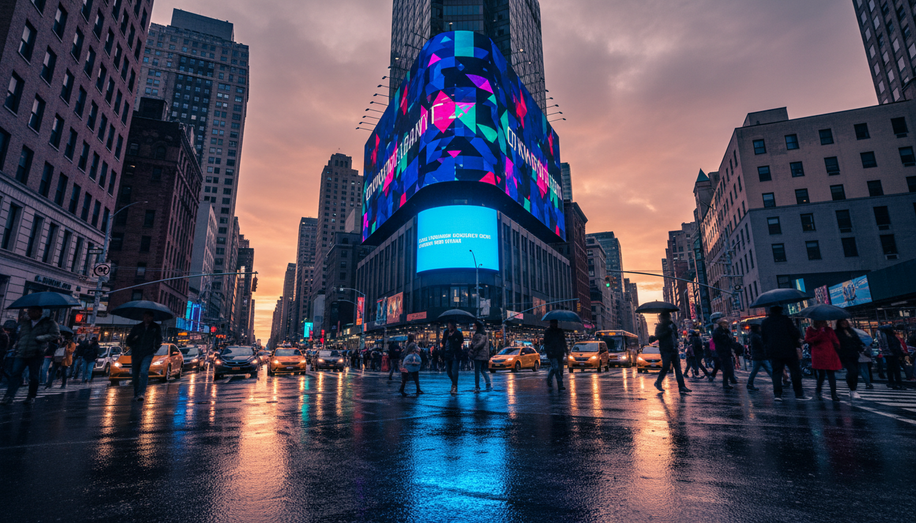

In the bustling theater of modern retail, out-of-home (OOH) advertising serves as the captivating opening act, priming shoppers for the main performance inside stores. As retail media networks (RMNs) proliferate within physical spaces—from digital screens in parking lots to in-aisle displays—external OOH placements are emerging as the indispensable prelude. This synergy between the great outdoors and indoor retail environments is transforming how brands drive footfall, enrich the shopper journey, and convert browsers into buyers. Far from isolated tactics, these channels create a seamless narrative that guides consumers from awareness to action, delivering measurable lifts in traffic and sales.
External OOH, with its billboards, transit ads, and digital displays along high-traffic routes, excels at building top-of-mind awareness precisely when decisions brew. Shoppers, often in motion and receptive to real-world cues, encounter these messages during commutes or errands, fostering an unskippable presence that digital feeds can’t match. Research underscores this priming power: a Global study cited by Talon reveals that 54% of in-store visits stem from OOH exposure, with 68% of consumers recalling ads while out and about. Strategically placed near retail hubs, these ads don’t just whisper brand names—they shout promotions, limited-time offers, and store directions, creating urgency that propels feet toward doorways.
Once inside, RMNs take the baton, turning that momentum into engagement. Digital out-of-home (DOOH) screens at storefronts, checkout lines, and aisles reinforce the external call-to-action with hyper-relevant messaging. A Chain Drug Review study of 2,000 U.S. shoppers found 71% more likely to consider a brand after an in-store ad, with in-aisle and storefront placements driving 78% and 76% future purchase intent, respectively. Parking lot screens spark cross-channel sparks—32% of viewers visited brand websites—while 19% scanned QR codes from in-aisle displays. This internal layer doesn’t merely echo OOH; it personalizes the pitch using real-time data like weather, inventory, or flash sales, as Broadsign experts advocate, ensuring ads feel tailor-made for the shopper’s moment.
The magic lies in their interplay, forming a full-funnel continuum that retail marketers are racing to harness. Wilkins Media highlights how OOH bridges physical and digital realms: a billboard sighting prompts phone research, culminating in-store or online buys. Near-store OOH amplifies this, with 71% of shoppers noticing ads right outside locations, per Talon data—48% engaging with retail DOOH and main shoppers 12 times more likely to act. Bauer Media Outdoor emphasizes precise targeting by location and demographics, syncing campaigns with peak periods like weekends or holidays to exploit impulse behaviors. The Drum notes that OOH’s real-time promotions, visible blocks from stores, guide impulse buyers directly to shelves, capitalizing on the 49% of shoppers who are “active, alert, and interested” outdoors.
This omnichannel orchestration boosts footfall and sales through layered touchpoints. Brands like those partnering with Merkle are layering in-store DOOH atop external OOH to reach mass audiences at decision junctures, extending RMN reach beyond walls. Digiday points to at-store DOOH as a clutter-breaking differentiator within crowded RMNs, while The Imagine Group’s “retailtainment” concept fuses OOH with immersive retail activations, blending entertainment and commerce to heighten experiences and traffic.
Retailers ignoring this storefront stage risk flatlining in a multi-channel world. Integrating external OOH with internal RMNs isn’t optional—it’s a revenue accelerator. Data paints a clear ROI: OOH drives 59% of shoppers to buy within 30 minutes of store entry, per Global’s Work.Shop.Play study, while RMNs sustain that conversion with positive sentiments from 95% of exposed consumers. As technologies like programmatic DOOH evolve, this duo promises even sharper targeting and dynamic creativity.
For brands and retailers, the lesson is straightforward: treat the storefront as a stage where OOH sets the scene and RMNs deliver the climax. In doing so, they don’t just fill seats—they sell out the show, turning passersby into loyal patrons and one-time visits into lasting sales.