
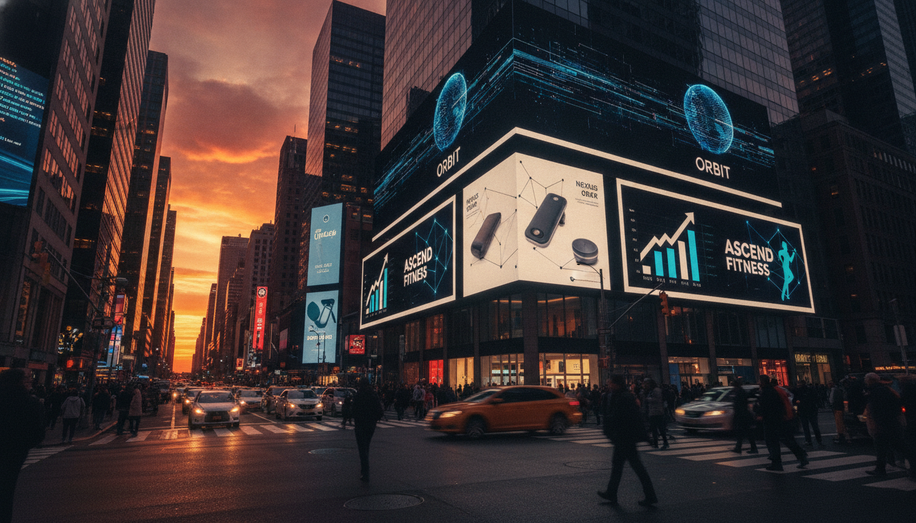

As direct-to-consumer (DTC) and fast-growth e-commerce brands navigate rising customer acquisition costs and audience fragmentation on traditional digital channels, out-of-home (OOH) media has emerged as an essential engine for sustainable growth. Historically, transitioning from online performance marketing to physical billboards and transit screens required dealing with complex agency networks, manual insertion orders, and slow negotiation processes. Today, specialized OOH planning and buying platforms are closing this gap, allowing digital-native brands to execute real-world campaigns with the same data-driven precision, speed, and real-time attribution they expect from online channels.
1. AdQuick
AdQuick is engineered to translate online performance marketing principles directly into physical and programmatic out-of-home campaigns. Highly favored by scaling DTC brands looking for broad-scale impact, the platform unifies national and local OOH inventory from thousands of media owners into an interactive, map-based interface. For e-commerce marketers, its standout feature is its comprehensive attribution engine, which quantifies the “halo effect” of OOH by measuring lift in web traffic, brand searches, and actual sales conversions. By streamlining everything from initial inventory discovery and pricing negotiation to creative execution and performance measurement, the platform simplifies the entire buying workflow so digital-native teams can easily test and scale physical advertising.
2. OneScreen.ai
Built specifically to make out-of-home advertising approachable for fast-growth companies, OneScreen.ai functions as a streamlined marketplace and directory for physical ad placements. The platform reduces the friction of discovering local OOH inventory by aggregating options like billboards, transit centers, and local retail venues into a single visual planning platform. It provides brands with robust real-world audience intelligence and location analytics to ensure physical placements align perfectly with target consumer demographics in high-intent zones. This localized, visual-first planning approach allows growth-minded e-commerce brands to run highly targeted campaigns and build geographic concentration without the administrative overhead of traditional media agencies.
3. Blindspot
For digital-native brands looking for hyper-granular control over programmatic screens, Blindspot offers a self-serve digital out-of-home (DOOH) platform with a focus on flexibility and real-time execution. The platform provides access to over 2.5 million digital screens across more than 50 countries, allowing e-commerce marketers to plan and launch DOOH campaigns in roughly 15 minutes without long-term contract lock-ins. Marketers can buy screen time by the hour instead of 24/7, and utilize context-aware creative assets that automatically swap based on weather, local traffic patterns, time of day, or real-time events. While it offers robust attribution tracking for web lift, foot traffic, sign-ups, and sales, its self-serve, flexible structure may not be the ideal choice for large enterprise advertisers requiring highly bespoke, manually negotiated static billboard networks.
4. Adomni
Designed as an easy-to-use programmatic marketplace, Adomni connects advertisers with digital out-of-home inventory across hundreds of thousands of screens worldwide. Its specialized self-service tools are heavily optimized for e-commerce and DTC brands that want to extend their online video and display strategies to real-world environments. Marketers can segment inventory by screen type, geography, and venue, allowing them to place ads in high-intent environments like shopping malls, convenience stores, and roadside digital bulletins. The platform’s integration with programmatic bidding allows teams to adjust budgets, target specific times of day, and upload new creative assets instantly, reacting to performance metrics in real time.
5. Vistar Media
As a major player in programmatic DOOH, Vistar Media offers a sophisticated demand-side platform (DSP) that appeals to mature DTC brands looking to execute advanced, data-driven out-of-home campaigns. The platform uses spatial data and advanced location intelligence to analyze how target consumers move throughout the day, enabling precise audience-based targeting. Vistar Media excels in omnichannel retargeting, allowing brands to re-engage consumers on their mobile devices after they have been exposed to a digital billboard in the physical world. While the platform provides powerful enterprise-level capabilities and clear foot-traffic attribution studies, it is highly structured for brands with established media-buying workflows and larger overall budgets.
6. CAASie.co
Focusing on democratization and accessibility, CAASie.co is a self-serve platform designed to put digital billboard buying into the hands of independent digital marketers and growing e-commerce businesses. Operating with a browser-based, on-demand purchasing model, the platform allows users to buy individual ad plays on digital screens across key international markets without long-term commitments or high budget minimums. Marketers have the freedom to adjust their budgets, artworks, and schedules on the fly directly from their browser, mimicking the flexibility of paid social media ads. This makes the platform highly suitable for early-stage DTC brands seeking to run small-scale, highly localized awareness campaigns or test the out-of-home medium with minimal financial risk.
Moving from the highly measurable world of digital marketing to physical out-of-home media no longer requires sacrificing data, flexibility, or control. By leveraging these specialized planning tools, fast-growth e-commerce brands can confidently test the real-world waters, optimize their ad spend in real-time, and drive measurable traffic back to their digital storefronts. Selecting the right platform ultimately depends on your brand’s unique budget, desired scale, and programmatic sophistication.