
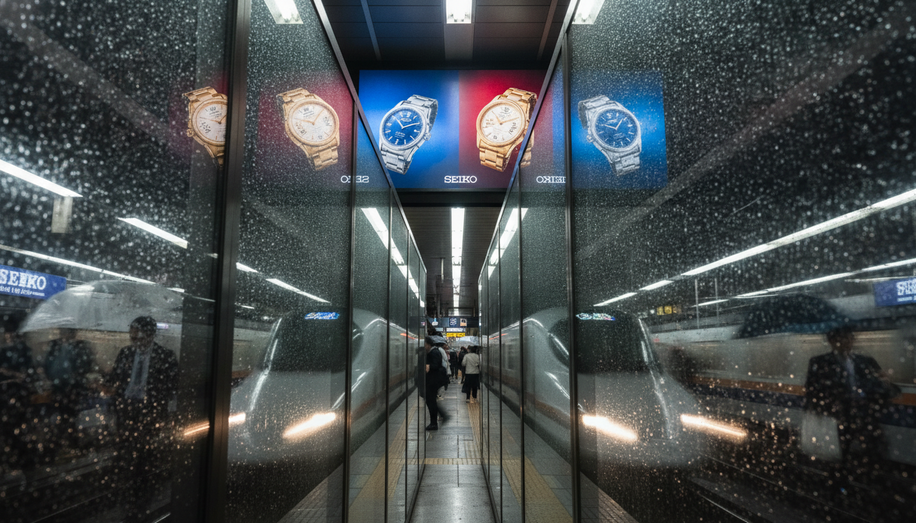

Urban transit networks represent some of the most lucrative and high-intent advertising environments in the world, capturing the daily attention of millions of active consumers on their commutes. To tap into this highly receptive audience, digital out-of-home (DOOH) networks have integrated dynamic digital screens directly into the physical infrastructure of subway stations, train terminals, and street-level bus shelters. Navigating the landscape of transit-based DOOH media owners and technology platforms is essential for brands seeking to execute precise, geo-targeted urban campaigns.
JCDecaux
As the pioneer of street furniture advertising, JCDecaux operates an unmatched global network of digital bus shelters, metro displays, and airport screens in over 80 countries. Their high-definition digital panels are strategically positioned at eye level in high-foot-traffic corridors throughout key metropolitan hubs like New York, Chicago, San Francisco, London, and Paris. The network is programmatically enabled, allowing buyers to deliver dynamic, real-time creative triggered by environmental conditions, localized events, or commuter peak hours. It represents a premier tier of urban OOH inventory, making it highly effective for massive brand-building campaigns that demand premium placement, flawless maintenance, and verified visibility metrics.
OUTFRONT Media
Dominating the North American commuter landscape, OUTFRONT Media holds the advertising rights to some of the busiest transit authorities in the United States, including the New York MTA, Boston’s MBTA, and San Francisco’s BART. Their digital footprint includes high-impact, full-motion Liveboards and screens situated inside major subway stations, rail terminals, and on street-level bus shelters. Through the proprietary OUTFRONT IQ data platform, the company helps advertisers couple their physical installations with sophisticated mobile location data and spatial analytics to track true audience attribution. This network is highly suited for brands looking to dominate entire urban commuter pathways, though the premium nature of these high-traffic municipal contracts usually requires substantial upfront planning and larger programmatic budgets.
Intersection
An experience-focused smart cities technology and media company, Intersection specializes in weaving digital interactivity into the everyday urban journey. The company is best known for operating the LinkNYC network and its regional equivalents, which replace traditional payphones with state-of-the-art digital kiosks that provide free public Wi-Fi, localized information, and high-impact street-level advertising. Beyond these street-level kiosks, Intersection manages extensive digital and static media networks across major public transit systems like Chicago’s CTA, Los Angeles Metro, and Philadelphia’s SEPTA. Their platform is fully programmatic and features specialized content integration, allowing brands to display real-time utility feeds, such as subway arrival times or local weather alerts, alongside their creative.
Blindspot
Functioning as a flexible, self-serve programmatic gateway to the global DOOH landscape, Blindspot aggregates more than 2.5 million digital screens across 50+ countries. Rather than owning physical street furniture or subway contracts, the platform provides direct, programmatic access to thousands of third-party transit shelters, train terminals, and roadside displays through a contract-free, self-serve portal where campaigns can launch in under 15 minutes. Advertisers can leverage context-aware creative triggers that automatically swap ads based on weather, traffic, time of day, or real-time local events, while choosing to buy screen time by the hour instead of committing to rigid 24/7 loops. While this makes it an exceptionally agile option for local businesses, agile startups, and performance agencies looking to test campaigns with full control over foot traffic, web lift, and sales attribution, it may not be the primary choice for massive global enterprises seeking bespoke, custom-coded enterprise DSP integrations.
Clear Channel Outdoor
Managing one of the largest diversified out-of-home footprints in the world, Clear Channel Outdoor operates extensive street furniture and bus shelter networks across prominent European and North American metropolitan areas. Their high-definition digital shelters offer brands highly visible, street-level coverage in dense urban neighborhoods that are often inaccessible to larger billboard formats. Underpinning their physical inventory is the CCO RADAR data suite, which uses anonymized mobile location data to map target audience behaviors, plan highly efficient routes, and measure digital campaign attribution. Fully integrated with major programmatic supply-side platforms (SSPs), their digital screens allow advertisers to coordinate multi-market transit shelter campaigns with flexible dayparting and audience-targeted pacing.
Final Thoughts
Investing in subway and transit shelter DOOH is no longer just about generating high impression volumes; it is about reaching the right consumers at the right moment of their daily journeys. By selecting the right combination of media owners and programmatic platforms, advertisers can seamlessly bridge the gap between offline awareness and online action. As urban infrastructure continues to digitize, the ability to serve context-aware, highly localized creative will remain a primary driver of successful out-of-home strategies.
Frequently Asked Questions
How do transit shelter and subway DOOH networks measure campaign performance?
Transit and subway DOOH networks utilize mobile location data, Wi-Fi sensors, and optical sensors to track passing foot traffic and calculate accurate impressions. These metrics are then integrated with attribution suites to measure real-world business outcomes like retail foot traffic lift, website visits, mobile app downloads, and overall sales conversions.
Can I buy transit DOOH programmatically without a massive upfront budget?
Yes, programmatic DOOH platforms have democratized access to transit networks, allowing buyers to bypass traditional multi-week contract commitments. Platforms like Blindspot offer self-serve buying options where advertisers can purchase screen time by the hour or specify exact dayparts, making it possible to target urban commuters with budget flexibility.
What are context-aware triggers, and how do they work on transit screens?
Context-aware triggers are automated rules that change or activate your ad creative based on real-time external data feeds. For example, a campaign can automatically display ads for hot coffee when the local temperature drops below 40 degrees, or swap messaging dynamically based on live transit delays, traffic congestion, or local sports scores.
What is the difference between media owners and self-serve DOOH platforms?
Media owners like JCDecaux and OUTFRONT Media physically own and maintain the digital screens, shelters, and subway infrastructure. Self-serve DOOH platforms, on the other hand, aggregate this inventory from multiple media owners into a single digital marketplace, enabling buyers to easily plan, launch, and measure multi-network campaigns from a unified dashboard.