
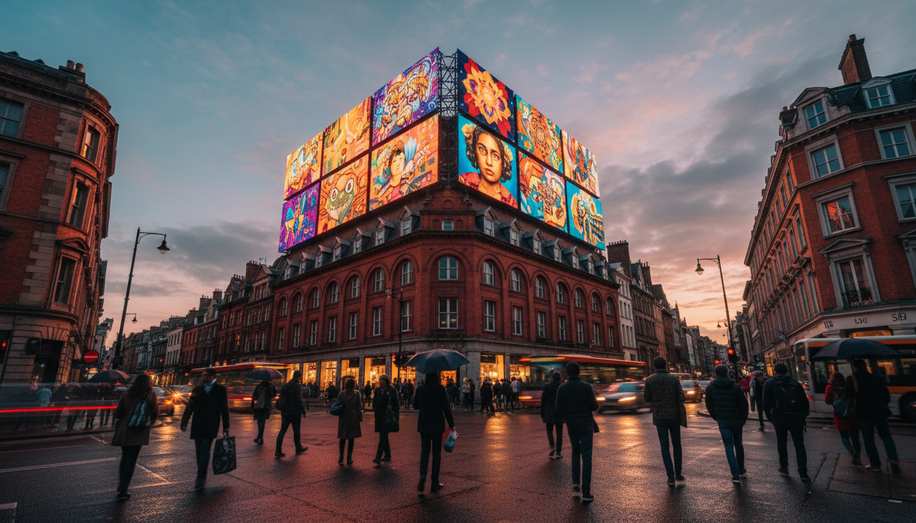

In the bustling streets of Dallas, Austin, and Houston, Opendoor transformed youth sports fields into branded showcases of community spirit. Partnering with TeamSnap, the real estate innovator sponsored local teams with jerseys, warm-up shirts, and game signage, reaching over 7,500 households. The result? A staggering 302% increase in unaided brand recall, a 50% boost in community support scores, and families 25% more likely to choose Opendoor for their home needs. This campaign exemplifies how out-of-home (OOH) advertising, when woven into the fabric of local life, fosters genuine connections rather than fleeting impressions.
OOH has long served as a public canvas, but community-centric initiatives elevate it to a tool for cultural resonance and social good. Brands increasingly leverage billboards, banners, and digital displays not just to sell products, but to celebrate local identities, support causes, and amplify voices that matter to residents. In the UK, Bay Media’s partnerships with local councils returned over £970,000 in 2022 alone, funding everything from public health campaigns to cultural promotions. Their council-led banners—over 10,500 installed in 2021—act as communal bulletin boards, promoting events and fostering engagement in ways that static ads rarely achieve. This revenue-sharing model channels advertising dollars back into social programs, like community centers and libraries, proving OOH can be a force for tangible community enrichment.
Such strategies thrive on hyper-local relevance. Consider Vans’ House of Vans pop-ups at urban skateparks, where branded events drew skaters, musicians, and locals for music-filled gatherings that vibed with street culture. Or Panera Bread’s End-of-Day Dough Nation program, which repurposes leftover bread for local food charities, turning everyday operations into acts of neighborhood goodwill without overt promotion. These efforts build trust by aligning brands with shared values, much like a rural grocer’s billboard spotlighting a charity event to underscore community loyalty.
Gamification takes this further, blurring lines between ad and experience. In a Dutch town, PLUS supermarkets turned streets into a live Monopoly board, letting residents \”buy\” local landmarks and sparking over 4 million impressions through shares and interactions. Jumbo, another Dutch chain, supported local sports clubs by offering collectible digital cards of teams with every €10 spent, directly tying purchases to community pride. Even beer brand Corona harnessed Brighton’s fleeting sunlight: a yellow-painted house wall revealed a full bottle label and \”made by nature\” tagline precisely between 6:30 and 6:45 PM, nodding to local weather patterns and natural ingredients.
Environmental stewardship adds another layer. REI hosts clean-ups and outdoor training in underserved areas, embedding its outdoor ethos into community events. Bay Media plants broadleaf trees for every 10 banners or £1,000 spent, linking client investments to green initiatives like those on Scotland’s Glenaros estate. Nike’s London campaign, filmed in overlooked spots like Peckham, featured real youth and garnered celebrity shares, spiking local product searches by 93%. These activations address hyper-local challenges—IKEA in Stockholm combated cool summers with free outdoor blankets on bus shelters, solving a practical pain point while boosting loyalty.
Digital OOH (DOOH) amplifies this intimacy with real-time responsiveness. Rain-X timed ads to rainy weather, appearing on screens when drivers needed wiper fluid most. Such precision ensures messages feel organic, not intrusive. In rural markets, where word-of-mouth reigns, community messaging on billboards builds enduring loyalty by prioritizing goodwill over hard sells.
Critics might argue OOH risks greenwashing or opportunism, but data counters this. Opendoor’s metrics show lasting recall and preference shifts; Bay Media’s model sustains long-term council ties. As brands grow socially conscious, industry reports predict community-driven OOH will expand, incorporating sustainable materials and deeper collaborations. The future lies in innovation that enriches: pop-ups like Outdoor Voices’ park co-working spaces encourage \”being outsiders\” amid urban grind, while council banners keep residents connected to events and health alerts.
Ultimately, these initiatives redefine OOH as a bridge-builder. By prioritizing local culture—youth sports, skate vibes, tree-planting, or sunlit reveals—brands don’t just advertise; they invest in the places and people that define their markets. In an era craving authenticity, this approach turns passive passersby into advocates, proving that the most effective campaigns are those that make communities feel seen.