
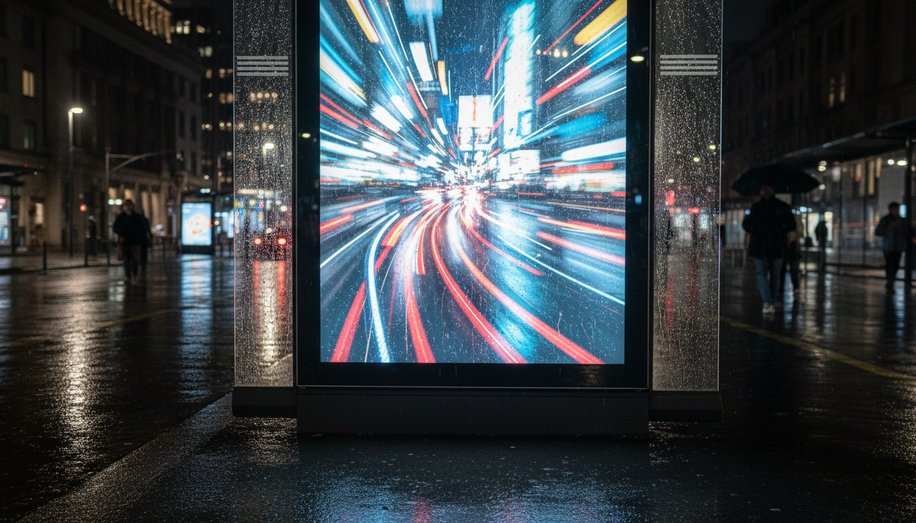

As cities expand and populations concentrate in urban centers, out-of-home advertising is undergoing a fundamental transformation that demands new strategic approaches from marketers. The convergence of rapid urbanization and digital innovation is reshaping how brands connect with consumers in public spaces, creating both unprecedented opportunities and complex challenges for OOH practitioners.
Urbanization has fundamentally altered consumer behavior and mobility patterns, making outdoor advertising an increasingly vital touchpoint in the marketing mix. City dwellers now spend significant portions of their day in transit, navigating dense urban environments where strategic ad placements can achieve remarkable frequency and reach. This captive audience effect—where residents live, work, shop, and socialize within concentrated geographic areas—creates what marketers call repeat exposure opportunities that traditional media channels struggle to replicate. Strategic placement in high-traffic locations such as transit hubs, city centers, and retail zones ensures that messages intersect with daily consumer routines at scale.
The infrastructure of urban environments has become central to OOH strategy. Unlike rural markets where advertisements span miles of open roads with lower frequency, urban campaigns concentrate impressions within compact spaces where consumers encounter the same ads multiple times daily. This density amplifies message retention and brand recall, making urban OOH particularly effective for building awareness rapidly. Public transportation systems—buses, subway stations, and transit shelters—have emerged as premium advertising real estate precisely because they capture commuters during high-intent moments when audiences are receptive to messaging.
Digital transformation is accelerating the sophistication of urban OOH campaigns. By 2026, digital out-of-home advertising is projected to account for over 40 percent of total outdoor ad spend, reflecting the effectiveness of interactive and dynamic formats. Urban environments provide the connectivity and data infrastructure necessary for advanced targeting capabilities. Brands now leverage mobility analytics, heatmaps, and foot traffic data to identify optimal placements with surgical precision, ensuring campaigns reach intended audiences at the right moments. This data-driven approach transforms location strategy from guesswork into a measurable science.
Personalization and real-time content adaptation represent the frontier of urban OOH strategy. Digital displays in cities can dynamically adjust messaging based on time of day, weather conditions, local events, and demographic data. A coffee brand might emphasize different value propositions during morning commutes versus evening leisure hours. Weather-triggered offers or localized promotions delivered through smart screens create immediate relevance for passersby, driving stronger engagement than static advertisements. This responsiveness reflects a broader shift toward hyper-localized, contextually targeted campaigns tailored to specific neighborhoods and events.
Integration with mobile and digital ecosystems has opened new dimensions for urban OOH effectiveness. Geo-fencing and beacon technology enable brands to retarget consumers after they pass digital billboards, creating seamless cross-channel experiences. QR codes on outdoor displays drive instant app downloads and exclusive offers, converting foot traffic into measurable digital engagement. Social media integration amplifies reach further, as campaigns encourage user-generated content and participation in branded challenges that extend campaign visibility beyond physical locations.
Sustainability considerations increasingly influence urban OOH strategy as cities prioritize environmental stewardship. Brands selecting recyclable materials and energy-efficient LED displays respond to both regulatory requirements and consumer expectations. Innovative initiatives like bee-friendly bus stops with green roofs and dark sky-compliant illuminated advertisements demonstrate how outdoor advertising can contribute positively to urban environments. This integration of advertising with broader urban planning goals transforms OOH from a purely commercial tool into an element of city infrastructure that enhances public spaces.
Looking forward, emerging technologies promise further evolution of urban OOH strategies. Augmented reality, 3D displays, and immersive formats are beginning to blur boundaries between physical and digital advertising. Smart city infrastructure powered by IoT connectivity and artificial intelligence will enable real-time optimization of campaign delivery based on immediate environmental conditions and audience movements. As urban populations continue growing, outdoor advertising’s role as a primary touchpoint in consumer journeys will only strengthen, requiring marketers to remain agile in adopting new technologies while maintaining focus on fundamental location strategy and audience insights that drive results.