
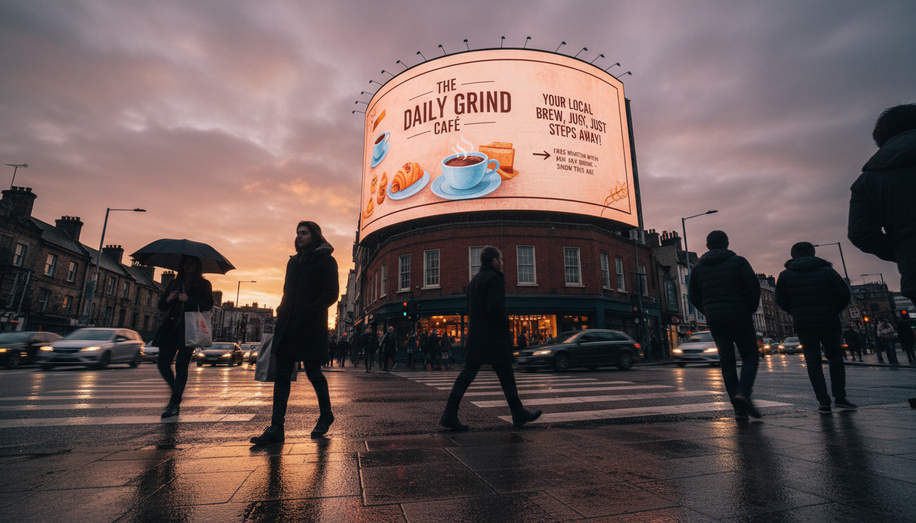

In the bustling streets of urban neighborhoods, where commuters rush past familiar landmarks and locals weave through daily routines, out-of-home (OOH) advertising is evolving beyond broad strokes to embrace hyperlocal strategies that forge genuine connections between brands and their immediate communities. Hyperlocal marketing in OOH targets hyper-specific geographic pockets—think a single neighborhood, a busy intersection near a grocery store, or a subway station hub—delivering messages tailored to the rhythms, culture, and needs of residents within walking or driving distance. This precision approach leverages the unmissable presence of billboards, digital screens, and transit ads to cut through digital fatigue, turning passive passersby into engaged locals who feel seen and spoken to directly.
The power of hyperlocal OOH lies in its ability to blend physical placement with contextual relevance, making ads feel less like interruptions and more like neighborhood conversations. Brands achieve this by prioritizing “location, location, location,” positioning billboards near high-traffic zones such as shopping districts, public parks, or points of interest where target audiences congregate. For instance, placing ads proximate to stores or offices ensures exposure at peak receptivity moments, like when commuters eye lunch options or parents scout school-run deals. This neighborhood focus enhances audience targeting by homing in on shared demographics, interests, or behaviors unique to that patch of cityscape, fostering trust and loyalty as consumers recognize brands that mirror their local reality.
Technology amplifies this intimacy, transforming static OOH into dynamic, responsive tools. Geofencing creates virtual boundaries around key spots, triggering complementary digital notifications or swapping billboard content when people enter the zone—imagine a sunscreen promotion blooming on a digital screen during a sudden sunny spell. Beacons, small devices in malls or transit hubs, push personalized alerts to nearby smartphones, while weather-triggered and time-based ads adapt in real-time, such as evening deals for night-shift workers. Digital billboards take it further with dayparting—rotating messages by time of day—and geotargeting, allowing updates for local events, holidays, or even rival promotions nearby. These integrations bridge OOH with mobile, creating seamless experiences that drive immediate action, like redeemable offers for “show this ad in-store” discounts.
Real-world campaigns illustrate the tangible impact. Starbucks boosted foot traffic by situating ads near data-proven commuter hotspots like train stations, drawing in loyal crowds with timely visuals. McDonald’s paired geofencing with OOH near outlets, sending geo-specific offers that spiked visits and repeat business. In India, Taj Mahal Tea’s “Megh Santoor” billboard at Vijayawada Railway Station synced with monsoon season, featuring regional music and timely removal post-rains, earning a Guinness record and deep community resonance tied to local tea heritage. Nike’s “Nothing Beats a Londoner” campaign spotlighted athletes from neighborhoods like Dalston and Peckham on OOH executions, blending urban grit with aspiration to rally young locals. Deliveroo zeroed in on standout restaurants in five cities, using hyperlocal posters to spotlight neighborhood gems and boost orders. Even Whole Foods geofenced OOH near stores with discount ads, converting proximity into store traffic.
Beyond tech and placement, messaging is the soul of hyperlocal success. Ads thrive when infused with vernacular lingo, cultural nods, or references to nearby landmarks—think a billboard quipping about “that tube-train gust” in London or tailoring promotions to a suburb’s festival calendar. This personalization builds community ties, as seen in Sprouts Farmers Market’s store openings, where OOH-like social pushes with exclusive local deals generated buzz and walk-ins. Gymshark’s pop-up “Londrette” activation, stitching athlete patches in a nostalgic laundrette, extended OOH principles into experiential events that solved hyper-specific needs while honoring local history.
The payoff is clear: hyperlocal OOH drives superior engagement and ROI by focusing on high-intent audiences already primed for purchase. Proximity to competitors can poach customers with superior offers, while action-oriented calls-to-action—visiting the store around the corner—prompt conversions that broader campaigns can’t match. Measuring success involves tracking foot traffic via mobile data, redemption rates from geo-triggers, and sales lifts post-exposure, allowing iterative optimization.
Yet challenges persist, from securing prime spots in saturated areas to balancing tech costs with creative authenticity. Still, as consumers crave relevance amid ad overload, hyperlocal OOH stands out as a cost-effective loyalty builder. Brands ignoring it risk blending into the city blur, while adopters like these pioneers prove it can turn billboards into neighborhood anchors, sparking not just sales but lasting community bonds. In an era of fragmented attention, this granular strategy reminds us that the most powerful ads are those that feel like they were made for the street you’re standing on.
As brands navigate the complexities of achieving genuine hyperlocal impact, platforms like Blindspot offer the sophisticated tools required to excel. Through precise location intelligence and programmatic DOOH campaign management, marketers can strategically select sites and dynamically deliver contextually relevant messages that resonate deeply with specific communities. This, combined with robust ROI measurement and real-time performance tracking, ensures campaigns not only build lasting local connections but also prove their tangible business value. Learn more at https://seeblindspot.com/