
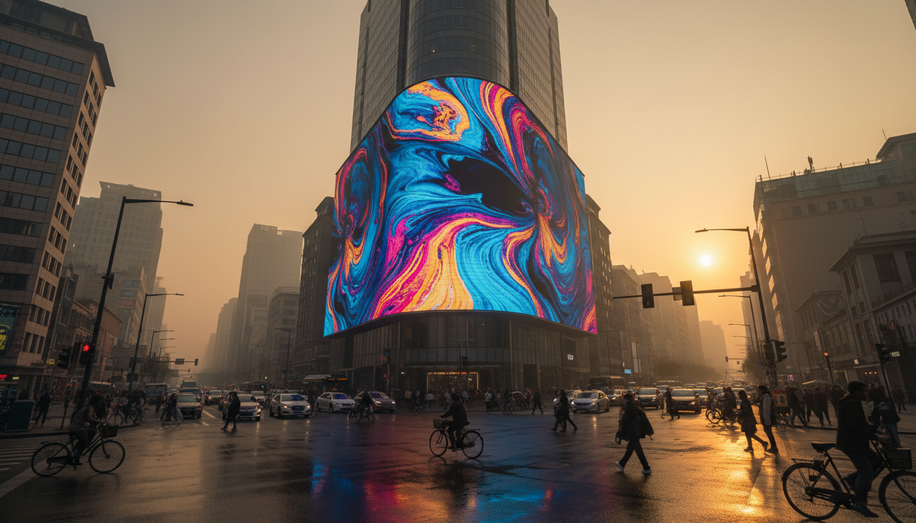

The relationship between urban design and out-of-home advertising effectiveness has become increasingly central to marketing strategy as brands seek to maximize their return on investment in physical spaces. The architecture, layout, and visual environment of cities fundamentally shape how audiences interact with outdoor advertisements, determining whether campaigns succeed in capturing attention or fade into urban noise.
Location serves as the cornerstone of outdoor advertising success, with both traffic volume and audience quality playing equally critical roles in campaign performance. Urban design directly influences these factors by creating natural gathering points, commuter corridors, and high-visibility zones that advertisers leverage for maximum reach. A strategically positioned billboard on a busy commute route can deliver repeated daily exposures, a phenomenon that urban planners inadvertently facilitate through the arrangement of transit hubs, commercial districts, and residential neighborhoods. The physical infrastructure of cities—highways, transit stops, shopping areas—becomes the foundation upon which effective OOH campaigns are built.
The visual environment itself presents both challenges and opportunities for outdoor advertisers. Large size and bright colors make outdoor advertising noticeable among urban architecture, yet this visibility depends heavily on how well placements integrate with or stand out from their surroundings. Modern cities present competing visual stimuli, requiring advertisers to understand the specific architectural context in which their messages will appear. A billboard in a densely built downtown core must compete with tall buildings, signage, and pedestrian activity, while the same format in a suburban corridor might command undivided attention. Urban designers and advertisers must therefore work in concert, considering sight lines, building heights, street widths, and surrounding aesthetics when determining placement effectiveness.
The concept of location intelligence—combining demographic data, commuter patterns, and mobile movement analytics—reveals how deeply urban design influences advertising outcomes. Cities with well-defined commercial districts, clear pedestrian pathways, and concentrated foot traffic create predictable audience flows that advertisers can target with precision. Conversely, sprawling suburban layouts may require different placement strategies to achieve comparable reach. The density and organization of urban environments directly determine the feasibility and cost-effectiveness of outdoor campaigns, making urban design a primary consideration in media planning.
The psychology of place enhances the importance of urban context in OOH advertising. Research indicates that messages encountered in physical environments linger longer in the brain compared to digital advertisements, a phenomenon known as the primacy of place—the tendency for people to associate messages with specific locations. A striking billboard on a daily commute becomes part of the urban landscape that consumers navigate repeatedly, embedding brand messages through environmental familiarity. This psychological advantage depends on the physical design of the space and how seamlessly the advertisement integrates into the viewer’s regular route.
The rise of programmatic digital outdoor advertising has further emphasized the connection between urban design and effectiveness. Real-time data targeting capabilities now allow advertisers to adjust messages based on location, time of day, and even weather conditions. These technologies work most effectively in well-mapped urban environments where data collection infrastructure exists and audience patterns are clearly established. Cities with developed transit systems and high digital literacy provide ideal conditions for such advanced campaigns, demonstrating how modern urban design supports technological innovation in advertising.
Practical applications across industries reveal how urban context shapes campaign strategy. Retail campaigns drive footfall through high-visibility placements in shopping districts, where urban design naturally concentrates customer traffic. Real estate advertisements leverage location-specific messaging near relevant neighborhoods, working with existing urban geography to reach interested audiences. Education and healthcare sectors similarly depend on placing messages near schools, hospitals, and transit routes—locations defined by urban planning decisions.
The measurable impact of outdoor campaigns increasingly demonstrates the tangible value of strategic placement within urban environments. Outdoor advertising can boost sales by 10-15 percent when combined with digital efforts, while increasing brand awareness by up to 47 percent. These results are inseparable from effective location selection, which itself depends on understanding urban design, traffic patterns, and architectural context.
As cities continue to evolve and develop, the relationship between urban design and outdoor advertising effectiveness will only deepen. Advertisers who understand how architecture, infrastructure, and public space design influence audience behavior will create more impactful campaigns. Similarly, urban planners who recognize the role of outdoor media in commercial ecosystems can design cities that support effective advertising while maintaining aesthetic and functional balance. This symbiotic relationship between urban environment and advertising strategy remains fundamental to campaign success.