
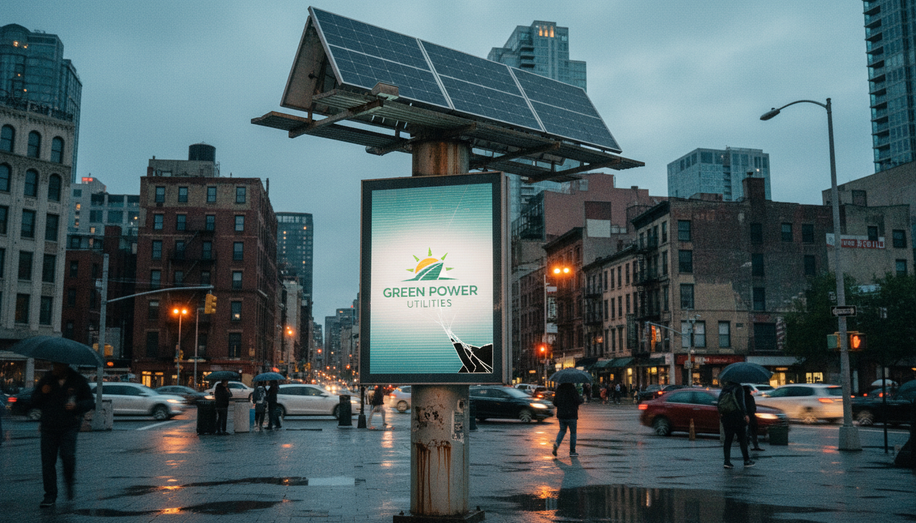

In the bustling urban landscapes of 2026, outdoor advertising is undergoing a profound green revolution, with renewable energy sources like solar and wind powering everything from towering digital billboards to sleek static displays. This shift is not merely a nod to environmentalism but a strategic imperative, as sustainability climbs to the top of industry priorities amid rising consumer demand for eco-conscious branding. Digital out-of-home (DOOH) formats, now projected to capture over 40% of total outdoor ad spend, are leading the charge by integrating energy-efficient LED technology with renewable power, slashing carbon footprints while maintaining vibrant visibility.
Solar power has emerged as the frontrunner in this transformation. Billboards topped with photovoltaic panels are proliferating, harnessing sunlight to illuminate dynamic displays day and night, drastically reducing reliance on fossil fuel-based grids. In high-traffic corridors and remote locations, these solar-powered units operate autonomously, generating enough energy to run high-brightness screens—even those reaching 2000 to 4000 lumens for sunlight readability—while cutting operational costs by up to 50% through LED efficiency gains. European markets have set the pace, mandating solar-first builds and energy caps for DOOH installations, with U.S. metro areas like Atlanta and New York rapidly adopting similar standards using recycled materials alongside solar arrays. One Atlanta-based provider notes that these “green billboards” are no longer experimental; they’re standard, lowering the sector’s environmental impact and appealing to brands eager to align with corporate social responsibility.
Wind energy, though less ubiquitous than solar due to site-specific needs, is gaining traction in windy coastal and elevated urban spots. Small-scale turbines integrated into billboard frameworks capture breezes to supplement power for static and digital signs, particularly in regions where sunlight is inconsistent. Hybrid systems combining solar panels with micro-wind generators are proving especially effective for off-grid installations, such as mobile billboards traversing event venues or highways. These setups not only minimize downtime but also embody a holistic approach to renewables, ensuring 24/7 operation without grid dependency.
Beyond solar and wind, other innovative renewable sources are entering the fray. Kinetic energy harvesters embedded in pedestrian-heavy structures like bus shelters convert foot traffic into electricity for nearby displays, while hydroelectric micro-generators power riverside ads in waterfront cities. Energy-efficient LEDs remain the backbone, with advancements extending display lifespans and reducing waste during production. Recyclable materials for frames and casings further amplify these efforts, allowing structures to be repurposed at end-of-life, a practice now favored by major brands to demonstrate authentic purpose.
The drivers behind this renewable surge are multifaceted. Environmentally aware consumers, who make up a growing segment of OOH audiences, respond favorably to green campaigns—studies show they drive 6% higher action rates when sustainability is authentically communicated. Regulatory pressures are accelerating adoption: smart cities are imposing DOOH energy caps and requiring carbon dashboards for advertisers, making renewable-powered inventory a competitive edge in bidding processes. Operationally, these solutions yield tangible savings; solar-equipped billboards in sunny climates offset installation costs within two to three years through eliminated utility bills. Moreover, as urbanization intensifies, renewable OOH integrates seamlessly with smart city infrastructure, using IoT sensors to optimize energy use based on real-time weather and traffic data.
Challenges persist, however. Not every location suits solar—shaded urban canyons or northern latitudes demand hybrid or alternative renewables, complicating scalability. Upfront costs for panels and turbines can deter smaller operators, though falling prices and government incentives are easing barriers. Maintenance in harsh weather also requires robust designs, with dust-proofing and anti-corrosion measures becoming standard.
Real-world examples underscore the momentum. In London, a network of solar-powered DOOH screens has achieved carbon neutrality, powering interactive AR campaigns that boost dwell time by 20-40%. U.S. providers report similar successes with wind-solar hybrids on mobile units, converging OOH with geofenced mobile retargeting for measurable ROI. Globally, the trend aligns with broader LED billboard market growth, fueled by 5G connectivity for seamless content updates on eco-powered displays.
As 2026 unfolds, renewable energy is redefining OOH not as a polluter but as a sustainability champion. Brands leveraging solar, wind, and hybrid innovations are reducing environmental footprints while enhancing campaign relevance in a fragmented media world. This green pivot resonates deeply, fostering emotional connections through purpose-driven messaging that digital channels can’t match. With consumer trust in OOH at 71% for roadside visibility and organic buzz from shareable eco-ads, the infrastructure of tomorrow’s outdoor advertising is brighter, cleaner, and unequivocally powered by the planet itself.