
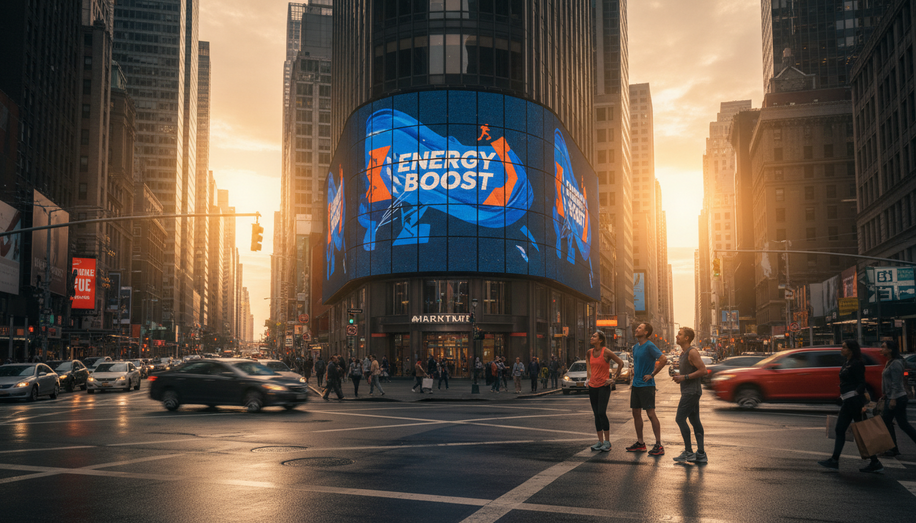

In the bustling heart of a city, a digital billboard flickers to life, displaying not a generic sales pitch but a tailored message for rain-soaked commuters: “Stay dry with our new waterproof jackets—20% off nearby.” This seamless fusion of real-time data and massive screens exemplifies programmatic digital out-of-home (DOOH) advertising, or pDOOH, which automates the buying, selling, and delivery of ads across digital billboards, transit shelters, malls, and airports. By harnessing demand-side platforms (DSPs), data management platforms (DMPs), and real-time bidding, pDOOH transforms static outdoor advertising into a dynamic engine for hyper-personalized messaging at unprecedented scale.
At its core, pDOOH departs sharply from traditional out-of-home (OOH) campaigns, which rely on manual negotiations, fixed schedules, and broad audience sweeps. Instead, advertisers access vast inventories of digital screens through unified platforms, bidding in real time based on audience insights, behavioral data, and contextual triggers. DSPs serve as the command center, enabling marketers to define objectives, upload creatives, and monitor performance across thousands of screens without juggling multiple vendors. This automation injects agility: campaigns launch, pause, or pivot instantly, free from long lead times or inflexible commitments.
The true artistry of pDOOH lies in its precision targeting, which layers demographic, mobility, and third-party data to reach not just places, but people in the right moments. Advertisers can prioritize screens overindexing for key segments—frequent travelers at airports or soft drink enthusiasts near gyms—using aggregated signals that avoid individual identifiers for privacy compliance. Retargeting extends this reach, re-engaging audiences exposed on DOOH screens via display, CTV, or audio channels, creating omnichannel continuity. Imagine a fitness brand targeting gym-goers with post-workout protein shake promotions only during peak evening hours, or a retailer triggering “event nearby” deals when a local concert draws crowds.
Contextual relevance elevates these efforts further, turning environmental data into creative dynamite. Weather APIs swap sunny beach ads for umbrella promotions during sudden downpours; time-of-day rules shift coffee enticements to rush hour and dinner specials to evenings; sports scores or traffic conditions trigger timely, actionable messaging. This rules-based logic—embedded in programmatic platforms—determines ad eligibility dynamically: a screen near a point-of-interest like a stadium might prioritize fan gear during games, while proximity to retail zones favors sales alerts. Without relying on personal data, pDOOH delivers relevance at scale, making ads feel intuitively personal rather than intrusive.
Scale amplifies this precision without sacrificing control. Marketers tap into diverse networks—transit hubs, high-traffic venues, even interactive touchscreens—allocating budgets efficiently through automated pacing and performance optimization. Real-time bidding ensures payment only for high-value impressions, minimizing waste and enabling smaller brands to compete alongside giants. Interactive elements like QR codes boost engagement, channeling passersby to trackable conversions while sensors and geo-fencing provide granular measurement: impressions, dwell time, store visits, even downstream web traffic.
Advanced analytics close the loop, offering transparency long absent in OOH. Centralized reporting reveals audience demographics, engagement rates, and attribution metrics, aligning DOOH with digital benchmarks. AI-driven insights analyze patterns, refining future campaigns on the fly—shifting spend to top-performing screens or venues. This data richness fosters omnichannel synergy: a DOOH ad glimpsed en route to work reinforces mobile retargeting, building recall and loyalty across touchpoints.
Yet pDOOH’s precision demands sophisticated orchestration. DSPs integrate with DMPs to aggregate data from mobility patterns, first-party sources, and environmental feeds, powering audience segmentation without silos. Media owners benefit too, programmatically selling inventory to match demand, expanding reach while optimizing yields. Challenges persist—regional infrastructure varies, and privacy regulations evolve—but platforms mitigate these with anonymized signals and flexible deals like programmatic guaranteed buys.
Consider real-world impact: a beverage brand adjusts ads for weather-driven thirst, boosting sales lifts by tying promotions to heatwaves; a travel firm retargets airport screens to mobility data, converting impulse viewers into bookings. These aren’t hypotheticals; they’re the output of pDOOH’s machine learning, which automates planning, targeting, delivery, and measurement for tangible ROI.
As urban screens proliferate, pDOOH redefines outdoor advertising’s potential, blending OOH’s massive scale with digital’s acuity. It crafts messages that resonate in the moment—hyper-personalized not through surveillance, but through smart, contextual inference. For advertisers, this means not just visibility, but verifiable influence at scale, proving that in the art of precision, timing and relevance are the ultimate canvases.