
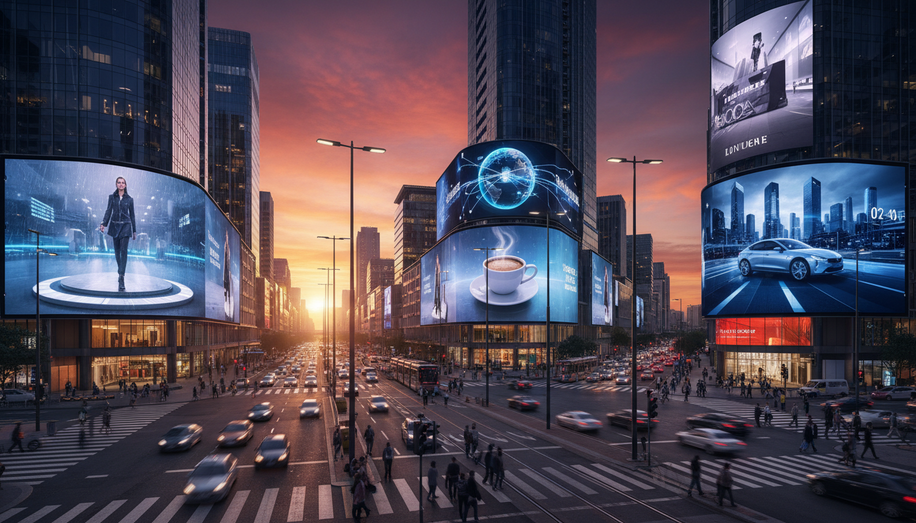

In the bustling intersections of modern cities, where digital billboards flicker to life and transit screens capture fleeting glances, programmatic digital out-of-home (pDOOH) is redefining how brands seize the moment. This automated approach to buying and selling out-of-home ad space through real-time bidding platforms transcends the rigid schedules of traditional DOOH, enabling advertisers to dynamically target audiences, flex schedules on the fly, and streamline efficiency in ways that go far beyond mere contextual triggers like weather or events.
At its core, pDOOH operates via a sophisticated ecosystem of demand-side platforms (DSPs), supply-side platforms (SSPs), data providers, and publishers who own the screens. When an ad slot opens on a digital billboard, bus shelter, or retail display, the SSP notifies potential buyers through the DSP. Advertisers, seated at their DSP interfaces, have pre-set campaign parameters: budgets, audience signals, locations, times of day, venue types, and even creative variations. In milliseconds, an auction unfolds—real-time bidding determines the winner, and their ad serves instantly. This impression-based model shifts focus from fixed placements, like booking a billboard for weeks, to pursuing specific outcomes, such as 100,000 impressions among cat owners aged 35-44 wherever they appear.
Unlike traditional OOH, which locks in decisions upfront through manual negotiations, or static DOOH with predefined schedules, pDOOH introduces rules-based automation. Advertisers define eligibility criteria—time-based (e.g., rush hour on weekdays), environmental (proximity to points of interest like malls), or situational (traffic patterns, local events)—and the system handles delivery. Audience targeting leverages aggregated signals, such as movement patterns or first-party data, to predict who is likely present without relying on individual identifiers, respecting privacy in shared physical spaces. This one-to-many dynamic, where a single screen exposure reaches multiple viewers, demands a rethink of metrics: reach builds around real-world contexts rather than single-user devices.
The strategic edge lies in this real-time agility. Campaigns can pivot mid-flight; if a sports event runs long, ads reschedule seamlessly to capture post-game crowds. Dynamic creative optimization swaps messaging based on conditions—a sunny day triggers beachwear promotions, while rain pushes cozy indoor offers—amplifying relevance without personal data. Flexible scheduling means scaling spend during peak demand or pausing in low-traffic windows, optimizing budgets that traditional buys waste on underperforming slots. Programmatic DOOH now claims over 30% of DOOH spend, with 18.8% year-over-year growth projected for 2026, underscoring its momentum.
Efficiency surges through centralized control and superior measurement. DSPs provide a unified dashboard, familiar to digital teams, replacing fragmented screen-by-screen bookings. Automated reporting delivers granular insights: in-screen sensors, geo-fencing, and device ID passbacks track exposures, foot traffic lifts, and downstream actions like store visits. This closes the attribution gap, proving DOOH’s impact with online-level precision and enabling data-driven refinements—boost spend on high performers, cull the rest.
Consider a national retailer launching a back-to-school push. In a direct buy, they’d commit to fixed billboards near universities, hoping students pass by. With pDOOH, the DSP targets screens in campus zones during afternoons, using audience data to prioritize high-student-traffic venues. Weather data adjusts: sunny days favor outdoor gear creatives. Real-time bids ensure cost efficiency, with budgets reallocating to surging demand near pop-up events. Post-campaign, metrics reveal 25% uplift in nearby store traffic, informing future tweaks.
This nimbleness extends to global scale. Marketers access millions of screens via DSPs, blending OOH’s massive physical reach with programmatic’s precision. No more haggling with owners; automation handles it, freeing teams for strategy. Yet challenges persist: inventory fragmentation across providers demands robust platforms, and one-to-many measurement evolves slower than digital peers. Still, advancements in AI and data integration promise even sharper targeting.
For brands, pDOOH unlocks “real-time reach”—the ability to meet consumers exactly where and when they are receptive. A coffee chain spots a heatwave via live data and floods urban screens with iced drink ads during commutes. A car brand times test-drive calls to action near dealerships during peak traffic. These aren’t hypotheticals; they’re the new standard, turning static displays into responsive engines.
As DOOH matures, programmatic buying cements its role as the agility kingpin. It empowers campaigns that adapt, not just react, maximizing every impression in an unpredictable world. Advertisers who master this—harnessing data signals, auction dynamics, and instant optimization—don’t just buy space; they own the moment.