
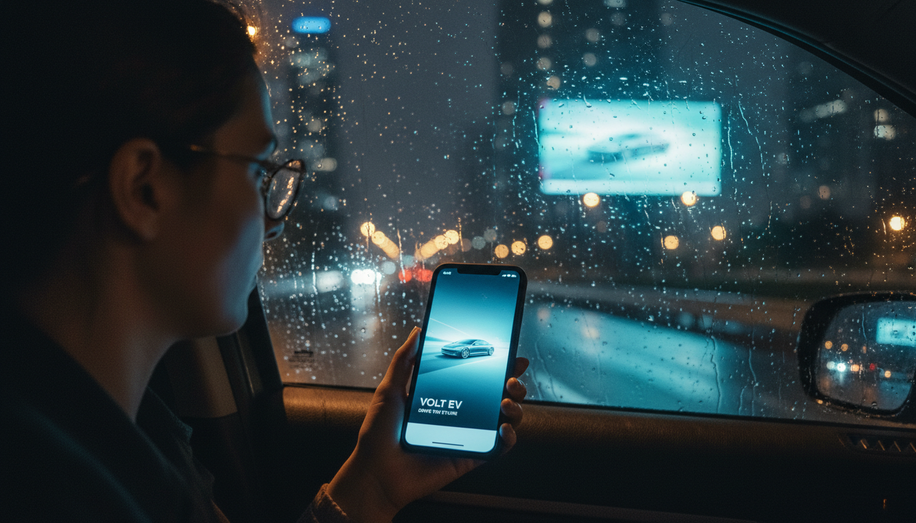

The convergence of digital and physical advertising has fundamentally transformed how brands connect with consumers, and mobile location data has emerged as the critical bridge linking these two worlds. By leveraging anonymized location insights, out-of-home advertisers can now identify optimal placements with unprecedented precision while simultaneously orchestrating sophisticated retargeting campaigns that extend their message across digital channels.
The power of location data lies in its ability to reveal authentic consumer behavior in the real world. Rather than relying on assumptions about where audiences congregate, modern OOH professionals now access aggregated, anonymized mobile movement patterns that expose genuine travel routes, shopping habits, and leisure activities. This transformation represents a fundamental shift from directional insights—simply knowing where people have been—to actionable intelligence that predicts where they will be and what messaging will resonate in those moments. A Forrester study demonstrates the tangible impact: campaigns utilizing mobile location data achieve conversion rate improvements of 60 percent and advertising ROI increases of 68 percent.
Strategic placement has always been central to OOH success, but location intelligence enables a level of precision previously impossible. Advertisers can now identify high-traffic areas with granular accuracy, from specific neighborhoods to individual street corners, while simultaneously understanding the demographic composition and behavioral patterns of the audiences moving through those spaces. This capability allows brands to match their messaging to the right location with surgical precision. A consumer focused on reaching young professionals interested in sports, for instance, can pinpoint exactly where this demographic concentrates throughout the day, ensuring advertisements capture attention when relevance is highest.
The strategic application extends beyond simple audience overlap. By analyzing points of interest—grocery stores, restaurants, competitor locations—advertisers can position campaigns where they’ll achieve maximum impact. Some brands now deploy location-based campaigns specifically designed to intercept consumers near competitor outlets, redirecting foot traffic toward their own retail spaces. This competitive intelligence transforms OOH from a passive awareness medium into an active customer acquisition tool.
What truly distinguishes modern OOH strategy is the ability to close the attribution loop through mobile retargeting. Once location data identifies and exposes an audience to OOH messaging, brands can follow those same consumers across digital ecosystems—social media, search, programmatic display networks—with reinforcing messages. This omnichannel approach dramatically enhances campaign recall and conversion rates by maintaining relevance as the consumer journey progresses from street to screen.
The technical infrastructure enabling this integration has matured significantly. Platforms now aggregate location data from multiple sources—GPS coordinates, Wi-Fi signals, mobile operator databases, and telecom information—creating comprehensive audience profiles that include not just location but also contextual factors like weather, time of day, and nearby points of interest. Computer vision technology at select OOH locations adds another dimension, providing real impression counts and even measuring engagement duration, all while maintaining strict anonymity protocols.
Data visualization tools have proven equally transformative for campaign planning. Rather than making placement decisions based on historical patterns or intuition, media strategists now map out campaigns by visualizing actual audience flows and behaviors across their advertising inventory. This enables scenario planning before deployment, allowing optimization based on forecasted impressions and coverage rather than guesswork. Automation further accelerates this process, providing real-time insights that facilitate rapid campaign adjustments based on performance data.
The financial implications are substantial. Brands can now price OOH inventory based on actual performance rather than historical rates, while advertisers themselves achieve more efficient spending by targeting high-potential locations identified through data analysis rather than through trial and error. Real-time performance tracking allows continuous optimization, ensuring every advertising dollar delivers measurable business outcomes beyond brand awareness.
As consumer privacy concerns intensify, the emphasis on anonymized, aggregated data becomes increasingly important. Modern location-based OOH relies on sophisticated privacy protocols that never process personal information while still delivering the granular insights necessary for precision targeting. This approach respects privacy boundaries while enabling the data-driven decision making that modern marketing demands.
The integration of mobile location data into OOH strategy represents far more than technological enhancement. It fundamentally reframes out-of-home advertising from a broad-reach awareness channel into a precision instrument for reaching specific audiences at optimal moments, amplified through coordinated digital retargeting. For brands committed to measurable marketing outcomes, this convergence of data, placement, and attribution has become essential to competitive success.