
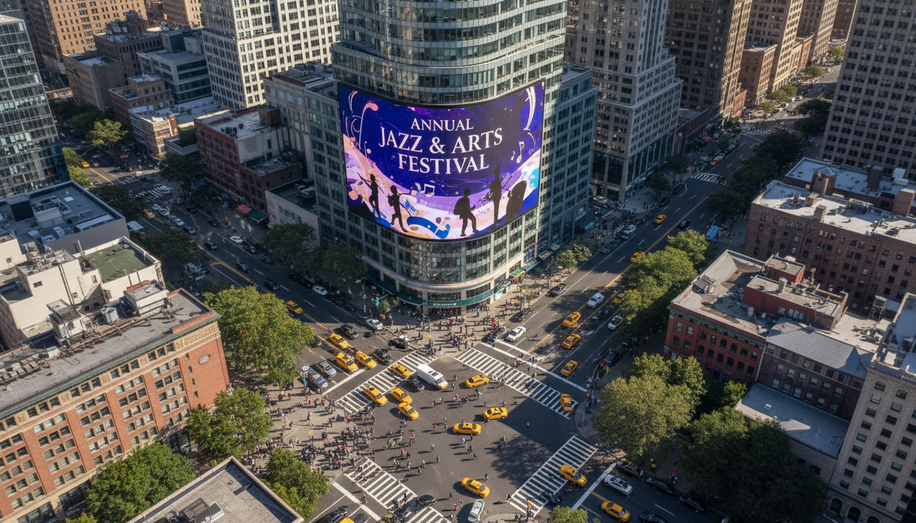

In the vibrant tapestry of local communities, outdoor advertising stands as a powerful amplifier for events and festivals, transforming fleeting gatherings into enduring cultural touchstones. From bustling street fairs to intimate concerts under the stars, out-of-home (OOH) media captures attention in high-traffic zones, igniting excitement and driving attendance where digital channels often fall short. As neighborhoods pulse with anticipation each season, savvy organizers harness billboards, transit wraps, and venue signage to weave their events into the daily rhythm of community life, fostering a sense of shared belonging that resonates long after the final applause.
Consider the role of transit advertising in reaching festival-goers at peak moments of mobility. Bus wraps and shelter posters positioned along routes to music venues or county fairs place brands directly in the path of eager crowds, visible before, during, and after the event. Unlike scrollable social feeds, these unmissable displays immerse audiences in the event’s energy—commuters glancing at a vibrant wrap en route to a food truck rally feel the pull of the festivities, even if they’re not yet committed attendees. This strategic placement not only boosts foot traffic but also extends reach to incidental viewers, turning passive passersby into potential participants.
Event venues themselves benefit immensely from OOH’s ability to build “destination awareness.” Billboards along major commuter corridors, entertainment districts, and tourist paths reinforce a venue’s name, schedule, and allure, making it a natural choice in local conversations. For concert halls, sports arenas, or outdoor festival grounds, repeated exposure creates familiarity and credibility—think a striking board proclaiming “Live Music Tonight” just off a high-traffic surface street, drawing families, music lovers, and visitors alike. This consistency proves especially potent for time-sensitive gatherings, where emotional drivers like excitement and FOMO propel ticket sales. Organizers of cultural festivals report heightened attendance when OOH campaigns align with seasonal pushes, ramping up pre-event buzz while maintaining always-on visibility.
Strategic location is the linchpin of effective OOH deployment. Placing ads on weekend leisure routes, near hotels, or directional boards close to the venue itself guides first-time visitors with ease, emphasizing proximity and accessibility. For a suburban fair, suburban park-and-ride spots capture family audiences; nightlife hubs suit food and drink events. This targeted precision ensures messages land with the right demographic at optimal times, sidestepping the scattershot nature of broader media. Moreover, short-term campaigns allow flexibility—launching two weeks before a concert to spike interest, then sustaining through the weekend for last-minute conversions.
Creativity elevates OOH from mere visibility to interactive spectacle. Co-branding with event sponsors infuses transit ads with festival logos, lending instant credibility and sparking partnerships that amplify reach. Interactive elements, like QR codes on billboards teasing exclusive prizes or social challenges—”Snap this ad for festival swag”—turn static displays into dynamic experiences, encouraging shares and user-generated content. Guerrilla tactics, such as teaser posters with cryptic dates in trendy neighborhoods, generate organic buzz and media pickups, while street teams distributing flyers near OOH placements add a personal, grassroots layer. These tactics signal scale and prestige—a city-center billboard screams “major event,” complementing digital efforts for cohesive branding across channels.
Partnerships further supercharge community engagement. Aligning with local businesses for cross-promotions, like bundled tickets with nearby venues, extends OOH’s impact beyond solo efforts. Radio stations or tourism boards trading on-site perks for shout-outs create symbiotic hype, positioning the event as a communal cornerstone. For recurring festivals, this builds loyalty: repeated OOH exposure transforms one-off attendees into advocates, deepening ties to the community’s cultural fabric.
Measuring success ties it all together. Track uplift through unique promo codes on billboards or geo-fenced digital tie-ins, correlating spikes in ticket sales with ad runs. While costs can run high for prime spots, the ROI shines in attendance surges and earned media—festivals leveraging OOH often see broader regional draw and heightened sponsor appeal.
Ultimately, OOH doesn’t just advertise local events; it connects them to the heartbeat of everyday life. By blanketing high-movement areas with bold, timely messaging, organizers cultivate excitement, swell crowds, and nurture lasting community bonds. In an era of fragmented attention, these tangible spectacles remind us why festivals endure: they bring people together, one unforgettable glimpse at a time.