
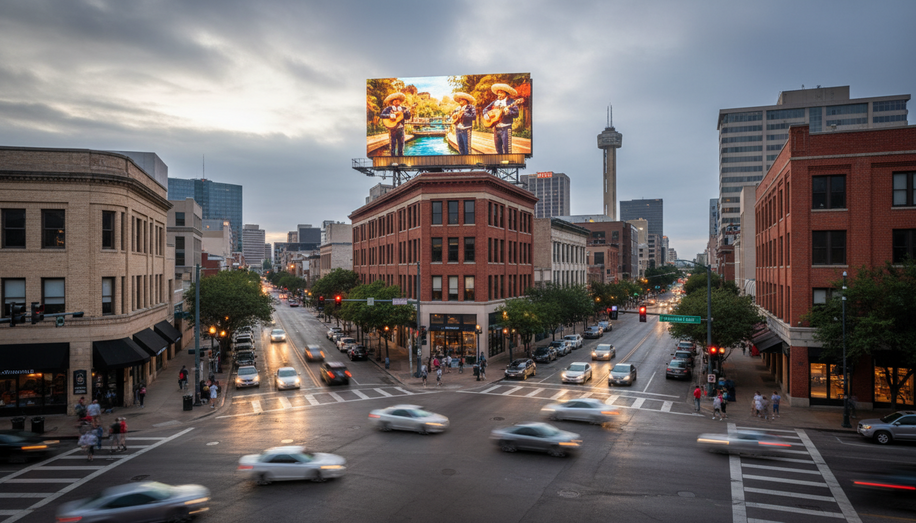

In the bustling streets of cities worldwide, out-of-home (OOH) advertising has evolved from mere billboards into powerful canvases that mirror the soul of local communities. By weaving in hyper-local history, events, and identities, brands are forging deeper connections, turning passive passersby into engaged participants who see their own stories reflected back at them. These campaigns transcend traditional promotion, celebrating cultural nuances and fostering a sense of belonging that resonates long after the ad fades from view.
Take Spotify’s Wrapped extension into OOH realms across the UK and US, where digital billboards in high-traffic urban zones displayed city-specific listening habits—genre spikes tied to local moods or weather patterns. In Manchester, ads might highlight a surge in rainy-day ballads, while New York’s screens pulsed with skyline-inspired hip-hop trends. This data-driven personalization transformed anonymous statistics into communal touchstones, prompting shares and conversations that amplified the campaign’s reach. Residents didn’t just see an ad; they saw their collective soundtrack, a nod to the unique rhythms of their neighborhoods.
Similarly, the Dutch beer brand Bavaria tapped into the vibrant chaos of Carnival season, a cornerstone of Dutch cultural life. Through OOH executions supported by social media and TV, the campaign petitioned for official holidays during the festivities, plastering billboards with festive imagery and calls to action that echoed the nation’s party spirit. Garnering over 4 million impressions, it didn’t sell beer so much as champion a shared tradition, earning widespread support and positioning Bavaria as a steward of local revelry. In towns where Carnival pulses through veins like blood, such ads become part of the event itself.
Gamification took on a hyper-local twist with PLUS supermarkets in a small Dutch town, where OOH transformed the streets into a live Monopoly board. Billboards marked “properties” as streets and buildings up for grabs, inviting residents to bid via apps and turning everyday errands into interactive play. This point-of-sale innovation sparked neighborly banter and foot traffic, embodying the tight-knit community fabric where supermarkets aren’t just stores but social hubs. By rooting the game in the town’s actual layout, PLUS celebrated its scale-model geography, proving OOH’s potency in blending commerce with communal joy.
In New York and Los Angeles, HER’s sapphic-targeted campaign deployed large-format billboards with unfiltered messaging that spoke directly to queer neighborhoods’ vernacular and vibe. Phrases drawn from local slang and shared experiences cut through the urban din, achieving viral status with nearly a million video views and effusive community praise. Far from generic appeals, these ads honored the raw, specific identity of spaces like West Hollywood or Brooklyn’s lesbian bars, building brand loyalty through authentic cultural fluency.
Environmental consciousness found a local lens in Corona’s “Wave of Waste” installations, where UK billboards featured a towering 3D wave of collected plastic trash crashing alongside surfer imagery. Expanded to cities like Melbourne and Lima, each iteration incorporated regionally sourced waste, making the global pollution crisis feel intimately tied to local shorelines and recycling habits. Passersby confronted the detritus from their own beaches, urged to act—a stark reflection of community-stewardship values amid rising eco-awareness.
Sports triumphs offer another arena for OOH to capture national—or hyper-local—pride. New Balance’s responsive campaign in the Netherlands cheered athlete Femke Bol’s Budapest victory with dynamic digital screens that shifted from pre-race encouragement to post-win jubilation. Timed perfectly with the event, these ads blanketed Amsterdam and Rotterdam, aligning the brand with a moment of collective elation. Dutch viewers felt seen in their athletic fervor, the OOH execution amplifying real-time patriotism into a nationwide conversation.
Even tourism boards excel at this cultural mirroring. Travel Texas’s “Let’s Texas” initiative used day-parted DOOH to tailor messages for Gen X families in one slot and millennials in another, deployed across regional airports and highways with imagery of Lone Star barbecues, rodeos, and ranchlands. Proximity targeting extended the narrative, keeping Texas’s diverse heritage top-of-mind for potential visitors. By spotlighting events like Austin’s SXSW or Houston’s rodeo, the campaign didn’t just advertise; it invited outsiders to join the cultural tapestry.
These examples underscore OOH’s unique ability to anchor brands in place and time. Digital advancements enable real-time triggers—weather, events, data—making ads agile mirrors of the moment. In Shoreditch, Love Holidays’ 3D “living billboard” with rugby star Joe Marler protruded into the street, nodding to London’s irreverent street art scene. Dreamies’ facade-climbing cat sculptures in London evoked the city’s pet-loving eccentricity, becoming Instagram magnets. Netflix’s 3D characters leaping from New York screens blurred ad and theater, syncing with the city’s performative pulse.
Yet success hinges on precision: understanding dialects, histories, and unspoken norms. Missteps alienate; triumphs unite. As urban spaces grow more fragmented, OOH stands out by reclaiming the public square for stories that matter locally. In an era of fleeting digital scrolls, these canvas-like campaigns remind us that advertising, at its best, doesn’t interrupt life—it illuminates it, fostering pride and participation in the communities it serves.