
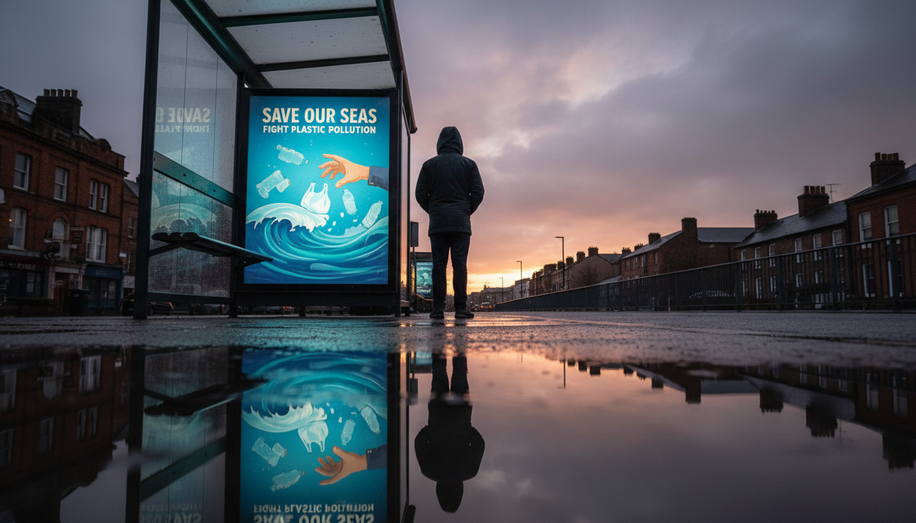

In the bustling rhythm of urban life, where commuters rush past billboards and shoppers glance at digital screens in malls, non-profit organizations are finding a powerful ally in out-of-home (OOH) advertising. This medium, often overlooked by cash-strapped causes, delivers unmissable messages that cut through digital noise, raising awareness, sparking donations, and mobilizing support for missions that matter. Far from the fleeting scroll of social media, OOH plants ideas in the physical world, where repeated exposure builds trust and urgency.
Non-profits have long grappled with limited budgets and the need for high-impact messaging that stands out amid competing appeals. OOH addresses these challenges head-on by offering broad reach in high-traffic areas like highways, city centers, transportation hubs, and community spots. Place-based OOH, in particular, embeds campaigns in familiar environments—public libraries for literacy drives or shopping districts during the holiday season—fostering a sense of local relevance and credibility. People encountering these ads in their daily routines are more likely to engage, as the medium leverages inherent trust in surroundings they already navigate.
The advantages extend beyond visibility. OOH creates lasting impressions through repetition; unlike online ads that vanish with a swipe, a billboard seen multiple times reinforces the message, boosting recall and action. For instance, during the season of giving, charities place ads in affluent neighborhoods or airports to target generous donors, blending static billboards with dynamic digital screens that rotate videos of rescued animals or children’s stories. This targeted precision ensures messages reach demographics most inclined to respond, from socially conscious consumers to families in need of local services.
Digital out-of-home (DOOH) has supercharged these efforts, allowing real-time updates and tailored content. Non-profits can swap messages for timely appeals—a water crisis update from WaterAid, featuring stark images of those without clean water, or World Wildlife Fund posters highlighting endangered species’ plight. Make-A-Wish Foundation campaigns, with joyful images of children granted wishes paired with donation calls, exemplify how emotional storytelling on OOH drives funds and volunteers. These visuals not only humanize abstract issues but also inspire immediate responses, turning passive viewers into active supporters.
Creative strategies amplify OOH’s punch. Guerrilla tactics, wild postings, and mobile billboards surprise audiences in unexpected places, generating buzz for causes like education or environmental protection. Partnerships with media owners, such as Clear Channel Outdoor’s donation of millions in public service ad space, stretch tight budgets further, enabling rapid crisis communication. Collaborations with local businesses extend reach via shared networks, while measurable DOOH analytics track impressions and engagement, proving ROI to skeptical boards.
Real-world successes underscore OOH’s transformative potential. WaterAid’s poster series vividly exposed the global water crisis, prompting public action and donations by confronting viewers with unfiltered reality. The WWF’s animal-focused billboards captivated passersby, blending beauty with peril to rally conservation support. Education non-profits, placing ads in transit hubs, have boosted enrollment in literacy programs by ensuring messages hit home with underserved communities. Even seasonal pushes, like animal shelters showcasing adoptable pets on mall screens, have surged contributions during peak giving periods.
Yet, challenges persist. Limited funds demand smart choices—prioritizing cost-effective digital billboards over pricier static ones—and navigating regulations in public spaces. Non-profits must craft concise, compelling copy: bold visuals, clear calls-to-action like “Donate Now” or “Volunteer Today,” and QR codes linking to digital hubs for seamless conversion. Measuring uplift requires blending OOH data with website traffic spikes or donation surges, but early adopters report undeniable gains in awareness and funds.
As societal needs evolve—from climate action to mental health—OOH remains a democratic force, leveling the playing field for underfunded causes. By claiming space in the physical landscape, non-profits don’t just advertise; they ignite movements. In a world saturated with screens, the bold permanence of OOH reminds us that true change starts where people live, work, and move. Forward-thinking organizations are already reaping rewards, proving this medium’s enduring power to turn empathy into impact.