
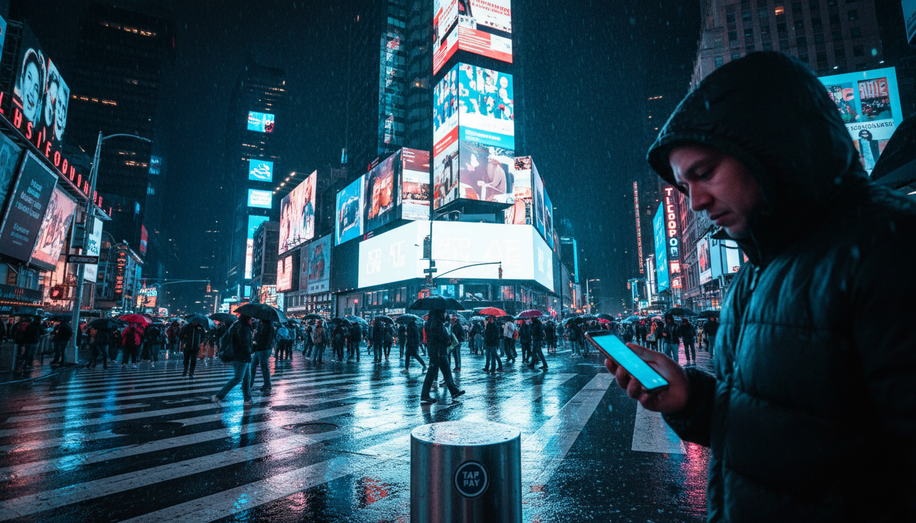

In the heart of urban hustle, where billboards once commanded silent attention, a simple tap or scan now ignites instant connections between physical ads and digital worlds. Out-of-home (OOH) advertising has long excelled at capturing eyes, but technologies like QR codes and near-field communication (NFC) are redefining it as a bridge to measurable engagement, data capture, and lasting brand experiences. These tools transform static displays into interactive portals, inviting passersby to act in seconds and delivering advertisers precise insights into who engages, when, and why.
QR codes, those familiar pixelated squares, have become ubiquitous in OOH campaigns for their accessibility and versatility. Scannable with any smartphone camera, they require no downloads or special hardware, making them ideal for broad audiences. A scan can unlock coupons, product videos, social shares, or exclusive content, turning a fleeting glance into a trackable conversion. Brands place them at eye level on the right side of ads—typically two inches square for billboards or one inch for smaller formats—to ensure visibility without overwhelming the creative. Dynamic QR codes elevate this further, capturing data on scan time, location, and device type, which integrates seamlessly with programmatic digital OOH (pDOOH) platforms. This allows real-time adjustments based on weather, traffic, or demographics, mapping interactions to specific audience segments for optimized relevance.
NFC takes seamlessness to another level, offering a touchless “one-tap” experience that feels intuitive and premium. Embedded chips in posters, digital screens, or street furniture activate when a compatible smartphone hovers nearby, revealing loyalty points, event invites, or location-specific rewards. Unlike QR codes, which demand precise framing, NFC thrives in crowded spots like transit hubs or retail environments where dwell time is short but attention is capturable. Studies show NFC generates 20-30% higher engagement rates than QR codes due to its ease, with contactless coupon redemptions rising 15-25% and repeat purchase intent increasing up to 18%. This precision suits high-traffic scenarios, such as bus stops or mall displays, where users accustomed to contactless payments expect frictionless interactions.
Real-world campaigns illustrate the power of these integrations. Aperol’s programmatic DOOH ads, triggered only above 66°F near bars, paired contextual spritz promotions with QR and NFC prompts, spiking scans and driving measurable bar visits. Rain-X synchronized rain-activated displays with NFC locators beside retailers, converting weather cues into foot traffic. A retail brand’s bus shelter ad with a QR-linked discount saw immediate shopping from mobiles, boosting brand recall through two-way engagement. Coca-Cola’s experiential vending machines, while not purely tech-driven, mirrored this by rewarding quick actions with shares, amassing millions of interactions without app barriers. These examples highlight how QR and NFC connect offline impressions to online behavior, addressing OOH’s historical measurement challenges.
Best practices maximize impact while minimizing friction. Direct users to mobile-optimized landing pages loading in under three seconds, featuring clear value like “Scan for 25% off” or unique promo codes tied to locations for granular tracking. Avoid complexity: simple calls to action outperform gamification, as audiences in public spaces prioritize speed over prolonged play. Pair with platforms offering real-time analytics, like those enabling attribution from tap to sale, to quantify ROI and refine targeting. In pDOOH, hyper-local triggers—such as a coffee brand promoting iced drinks on hot days with scan-to-order—ensure relevance, blending OOH’s scale with digital sophistication.
Yet success demands thoughtful design. QR codes must contrast sharply against backgrounds for quick scans, while NFC tags suit proximity formats but require newer phones, limiting reach slightly. Privacy considerations are paramount: transparent data use builds trust, especially as regulations tighten. Testing in varied lighting and weather prevents pitfalls, and unique codes per URL or location enable precise attribution, akin to barcodes for products.
As OOH evolves, QR and NFC position it as a measurable growth channel rivaling digital media. They leverage ubiquitous smartphones to extend campaigns beyond the street, fostering deeper interactions without demanding new tech adoption. A retail QR campaign, for instance, delivered a 254% boost in positive brand perception by linking ads to personalized offers. In a saturated market, this immediacy drives conversions, loyalty, and data-rich insights, proving OOH’s enduring relevance. Advertisers embracing “tap, scan, engage” unlock not just views, but actions that resonate long after the ad fades from sight. Platforms like Blindspot are pivotal in this transformation, offering sophisticated tools for real-time campaign performance tracking, audience measurement, and granular ROI attribution. By seamlessly managing programmatic DOOH campaigns and integrating location intelligence, Blindspot empowers brands to convert fleeting impressions into quantifiable engagement and lasting customer connections. Learn more at https://seeblindspot.com/