
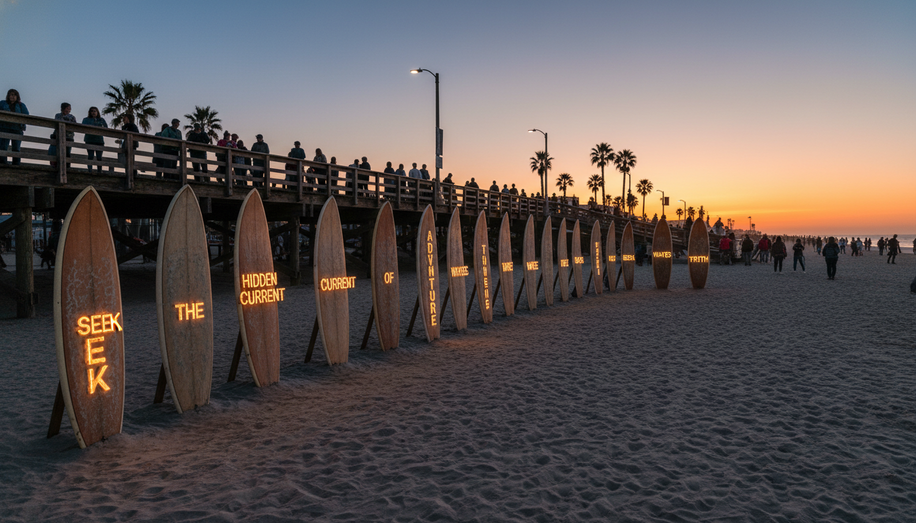

In the bustling arteries of modern cities, where traditional billboards blend into the urban haze, guerrilla out-of-home (OOH) advertising emerges as a daring disruptor, transforming everyday spaces into unforgettable spectacles that hijack attention and ignite conversations. This fusion of OOH’s mass visibility with guerrilla marketing’s shock tactics—rooted in surprise, creativity, and minimal budgets—proves that placement alone can eclipse multimillion-dollar spends, turning passersby into amplifiers of viral buzz. Campaigns like these don’t just advertise; they infiltrate the public’s psyche, leveraging the unexpected to foster deep engagement in an era saturated by digital noise.
At its core, guerrilla OOH reimagines public environments as canvases for audacious interventions. Consider street marketing, where commonplace objects become provocative statements. Honda’s Fit campaign exemplifies this by augmenting existing billboards with interactive elements that tricked the eye, making ordinary highway signage pulse with life and drawing commuters into a reimagined streetscape. Such tactics integrate seamlessly into the natural flow of urban life—subtle yet bold—prompting pedestrians to pause, snap photos, and share, effectively multiplying reach through user-generated content. Indoor variants take this further, infiltrating shops, public buildings, or transit hubs with temporary artworks or removable add-ons to statues, blurring the line between environment and endorsement without alienating audiences.
Ambush marketing pushes boundaries even harder, thriving on uninvited audacity. Apple’s 2012 Nano campaign clashed brilliantly with rival Rona’s hardware store facade in Canada, where guerrilla artists draped massive iPod Nano visuals over the building, creating visual trickery that sparked chaos, media coverage, and endless intrigue. This rule-bending approach, often executed without permissions, capitalizes on high-profile events—think Super Bowl sidelines or fashion weeks—where strategic product placements ambush crowds, embedding brands in live moments for outsized memorability. The shock factor doesn’t just entertain; it etches the message deeper than polished ads, as consumers revel in the clever rebellion.
Hybrid guerrilla OOH activations elevate these ideas by infusing traditional ad spaces with immersive disruptions. Projection mapping a festival lineup onto a downtown skyscraper at night, or converting bus shelters into soundscapes that blast headliners’ tracks as commuters approach, merges OOH’s prime real estate with street-level wow. These setups halt foot traffic, invite interaction, and prime social sharing—geofencing nearby phones to serve follow-up digital ads ensures the buzz lingers, converting onlookers into ticket buyers. Pop-up installations in parks or plazas extend this, blending artful branding with urban guerrilla ethos, as coined by Jay Conrad Levinson in 1984: outsmarting competitors through ingenuity rather than expenditure.
Digital enhancements supercharge these physical stunts, bridging analog surprise with online virality. Billboards embedded with QR codes beckon scanners to games, prizes, or exclusive handles, while location-based offers—redeemable only nearby—create urgency. Interactive pop-ups at malls, like gamified mirrors urging hashtag posts for deals, turn encounters into shareable events, amplified by influencers primed to broadcast in real-time. Street teams amplify the human element, distributing samples or flyers amid flash mobs, forging personal connections that static OOH can’t match.
The potency of these tactics lies in their ability to generate disproportionate impact. Guerrilla OOH thrives on low-cost creativity—raids on signage, sabotage of the mundane, ambushes at cultural flashpoints—yielding buzz that traditional media envies. Brands like those in iconic campaigns have shifted behaviors, from ticket surges for events to lasting cultural recall, proving unconventional placements outshine visibility alone. Yet success demands precision: legal gray areas require savvy execution to avoid backlash, while tying stunts to clear calls-to-action sustains momentum.
As urban landscapes evolve, guerrilla OOH stands as a testament to marketing’s guerrilla warfare roots—unpredictable, resourceful, and relentlessly engaging. In 2026’s hyper-connected world, these placements don’t merely advertise; they orchestrate public participation, ensuring campaigns linger in memory long after the streetlights fade. For advertisers bold enough to rethink “out-of-home,” the streets offer endless canvas for the next unforgettable disruption.