
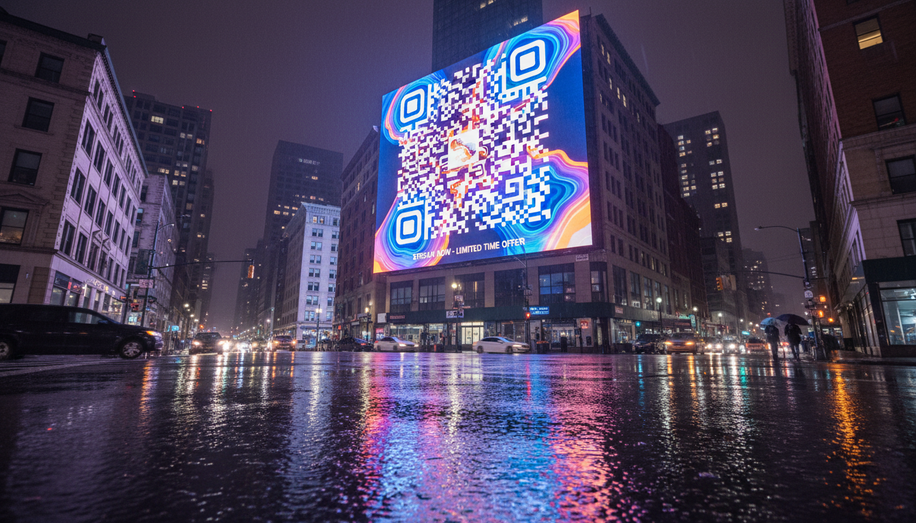

In the fast-paced world of out-of-home (OOH) advertising, where impressions flash by in seconds amid traffic and distractions, bridging the divide to digital action has long been a challenge. QR codes and SMS shortcodes emerge as simple yet potent tools, transforming static billboards and transit ads into direct-response engines that capture fleeting attention and funnel it straight to conversions. By enabling instant scans or texts, these technologies turn passive viewers into active engagers, delivering measurable results in an era demanding accountability.
QR codes, those ubiquitous pixelated squares, have evolved from pandemic-era novelties into strategic staples for OOH campaigns. Placed strategically at eye level on billboards, subway posters, or bus shelters, they invite immediate interaction, capitalizing on the short dwell time of outdoor exposure. A highway billboard promoting a flash e-commerce sale, for instance, pairs bold visuals with a QR code that whisks drivers to a mobile-optimized landing page upon scan—boosting traffic even if purchases don’t follow right away. This direct bridge to digital realms allows brands to pack expansive content behind minimal real estate: the ad teases essentials, while the code unlocks videos, product details, or personalized offers.
Effectiveness hinges on execution. A clear call-to-action (CTA) demystifies the code—“Scan to Buy,” “Scan for 15% Off,” or “Scan Me for Exclusive Access”—reducing hesitation and setting expectations that, when met, build trust and satisfaction. Limit to one code per ad to avoid overwhelming viewers; multiple options dilute focus and risk inaction. Dynamic QR codes add flexibility, letting marketers update destinations without reprinting, ideal for evolving promotions like time-sensitive discounts or location-based deals. Placement matters too: eye-level positioning on store doors or commuter hubs ensures scannability, while weather-resistant materials safeguard outdoor durability.
Real-world triumphs underscore the power. Avocados From Mexico’s 2022 Super Bowl DOOH push featured shoppable QR codes linking couch viewers to instant checkout, spiking conversions and yielding rich first-party data on buyer behavior. Similarly, the Ad Council and American Lung Association’s interactive quiz via QR code in video ads lifted brand engagement by 33.5%, proving these tools excel in education and awareness campaigns. In DOOH, where screens cycle rapidly, QR codes provide instant metrics: each scan logs a unique identifier, tracking traffic to sites or apps and enabling post-campaign optimization.
SMS shortcodes complement QR codes by offering an even lower barrier to entry—no app or camera needed, just a quick text. Scanning an SMS-enabled QR pre-populates a message to a five- or six-digit shortcode, firing off opt-ins for alerts, appointments, or support flows. Picture a retail billboard: “Text ‘DEAL’ to 12345 for your coupon.” This simplicity shines in high-mobility OOH like transit stops, where commuters tap out a reply amid the rush, landing exclusive content or Wi-Fi access via a branded portal. Incentives amplify response—prizes, discounts, or VIP previews compel action, turning scans into sustained digital journeys.
Integrating these technologies demands synergy with campaign goals. Gamification elevates engagement: hide QR codes as “Easter eggs” in video creatives, rewarding hunters with surprises, as Rick and Morty did to spark shares and buzz. Location-based tactics tailor experiences—street furniture QR codes delivering virtual tours or menus drive foot traffic, with analytics revealing peak scan zones for refinement. For programmatic OOH, pairing with AI and sensors hints at futures beyond basic scans, though QR and SMS remain accessible entry points.
Data is the true payoff. Unlike traditional OOH’s impression estimates, QR scans and SMS replies quantify direct response: uplift in site visits, conversion rates, even downstream sales. True Impact Media notes how these tools tag every ad interaction, tracing paths from billboard glance to purchase. Challenges persist—poor lighting, small code sizes, or network glitches can hinder scans—but solutions like larger, high-contrast designs and fast-loading pages mitigate them.
Yet, success stories abound across sectors. Retailers use entrance QR codes for Wi-Fi-gated coupons, educators deploy them for secure campus networks, and events leverage them for virtual tickets. In 2026, as privacy regs tighten, these opt-in mechanisms harvest compliant first-party data, fueling retargeting without cookies.
Ultimately, QR codes and SMS shortcodes shatter OOH’s historical silos, forging seamless paths from physical exposure to digital conversion. Brands wielding them thoughtfully—not as gimmicks, but as measured conduits—unlock higher ROI, proving that in advertising’s attention economy, simplicity drives supremacy. As OOH evolves, these unassuming technologies remain the smart bet for marketers chasing the next scan or text that seals the deal.