
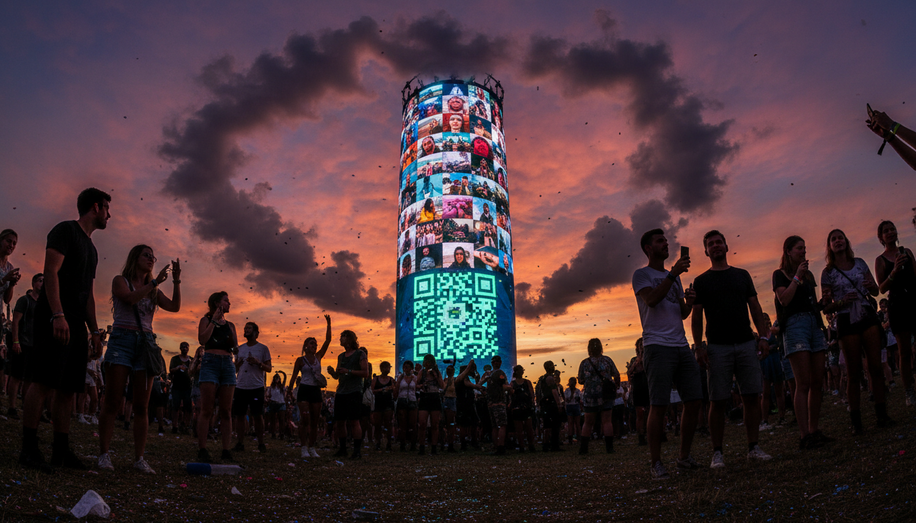

In the bustling streets of modern cities, where pedestrians rush past towering displays, digital out-of-home (OOH) billboards are shedding their passive skin. Once static sentinels broadcasting one-way messages, these screens are transforming into dynamic conversation starters, beckoning passersby to pause, interact, and even contribute their own content. This evolution, fueled by technologies like QR codes, NFC taps, and nascent user-generated platforms, promises to redefine engagement in an era where attention is the scarcest commodity.
The shift from passive to interactive began with the proliferation of high-definition LED and LCD displays, which supplanted printed posters with real-time, vibrant content. Advertisers can now remotely manage campaigns, swapping messages instantly to align with weather, events, or traffic patterns—think a sunscreen promotion blooming on a sunny afternoon or a raincoat ad amid sudden showers. But true interactivity kicks in when screens invite direct participation. Touch-enabled hybrid displays, for instance, split their real estate: one section beams ads while another offers maps, directories, or quizzes, drawing users in without overwhelming the commercial core.
QR codes have democratized this access, turning a simple smartphone scan into a gateway for deeper immersion. Spot a billboard for a new sneaker? Scan the code, and you’re plunged into a virtual try-on via augmented reality (AR), visualizing the shoes on your feet in real time. NFC takes it further, enabling near-field taps for seamless actions like loyalty program sign-ups or instant downloads, all without typing URLs. These frictionless bridges between physical and digital worlds boost conversion rates by making engagement feel effortless, as evidenced by campaigns from brands like Coca-Cola and Nike that sparked viral buzz through such mechanics.
Yet the frontier lies in user-generated content (UGC), where billboards don’t just speak—they listen and amplify. Imagine a screen in Times Square prompting passersby to snap a photo with a branded filter, upload it via QR, and see it featured on the display moments later. Early prototypes integrate social media APIs, pulling live tweets or Instagram posts tied to a hashtag, creating a communal mosaic that evolves with the crowd. This isn’t mere gimmickry; it’s a feedback loop. AI analyzes real-time data—demographics via anonymized facial cues, location via geofencing—to curate UGC that resonates, personalizing the feed for demographics on the move. A billboard might showcase commuter selfies during rush hour or family photos on weekends, fostering ownership and shareability.
Sustainability and intelligence amplify this potential. Energy-efficient displays reduce operational costs, while AI optimizes everything from ad rotation to content relevance, using viewer behavior to predict dwell time and engagement peaks. AR overlays push boundaries further: a furniture brand’s billboard lets you AR-place a sofa in your living room via phone, blending the screen’s allure with personal utility. In smart cities, these billboards sync with urban ecosystems—transport schedules, event alerts—positioning ads as helpful neighbors rather than interruptions.
Challenges persist, of course. Privacy concerns shadow facial recognition and data-driven personalization; regulators demand transparency, and advertisers must balance targeting with trust. Technical hurdles like weatherproofing touch interfaces in rainy climates or ensuring low-latency UGC uploads in high-traffic zones require robust engineering. Yet successes abound. Programmatic DOOH platforms enable scalable buys, rotating interactive creatives across networks for precision targeting by time, location, or even mood inferred from ambient data.
Looking ahead, the fusion of interactivity and UGC heralds a participatory OOH renaissance. Picture 3D holographic billboards where users co-create animations—upload a dance clip, and it joins a brand’s virtual flash mob projected skyward. Or NFC-linked kiosks where tapping a screen grants AR graffiti rights, letting artists tag digital walls that reset daily, blending ephemerality with virality. Brands embracing this report engagement lifts of 30-50%, as immersive experiences convert passive glances into active advocacy.
Ultimately, these innovations reposition digital billboards as cultural hubs, not just ad real estate. By empowering passersby to generate, share, and shape content, OOH advertising evolves from intrusion to invitation. In a fragmented media landscape, where consumers crave authenticity, this interactive intimacy—sparked by a QR scan or NFC bump—could be the key to captivating the fleeting attention of the urban throng. As technology accelerates, the line between billboard and community canvas blurs, promising a future where every passerby leaves a mark.
This transformation from passive viewing to active participation, driven by interactive mechanics and user-generated content, demands robust tools to measure true impact and optimize engagement. Blindspot empowers brands to navigate this complex landscape, offering precise audience measurement and real-time campaign performance tracking to ensure interactive campaigns resonate and deliver measurable ROI. Through its programmatic DOOH capabilities, Blindspot helps orchestrate these dynamic experiences, translating fleeting urban attention into tangible brand advocacy and conversion. Discover more at https://seeblindspot.com/