
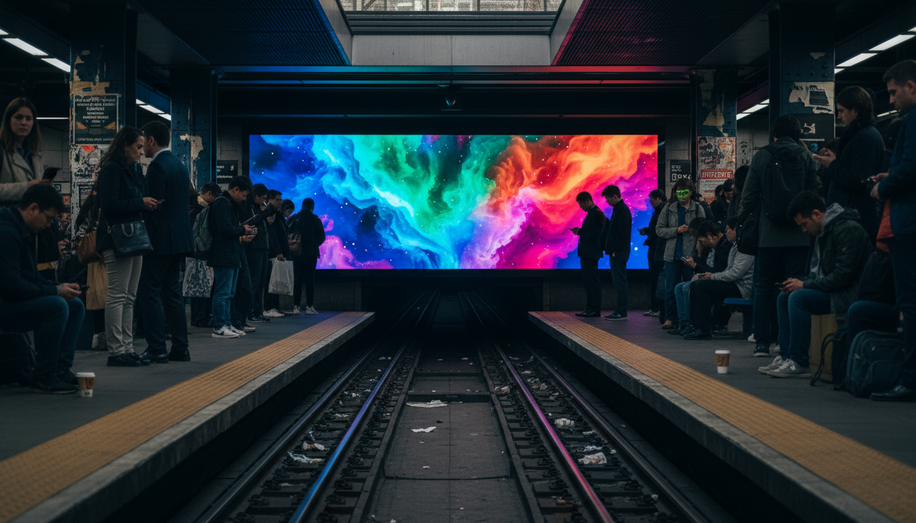

In the ceaseless rush of city streets, where commuters weave through traffic and pedestrians dodge crowds, out-of-home (OOH) advertising emerges not as mere backdrop but as a subtle architect of the urban mind. Towering billboards, animated transit wraps, and glowing digital screens intercept the gaze, injecting brands, messages, and moods into the daily grind of urban dwellers. This invisible influence shapes attention, elevates vigilance, and even colors perceptions, turning routine navigation into a cognitive dance with commercial cues.
Urban environments amplify OOH’s reach, particularly in major centers where heightened receptivity thrives. Consumer research reveals that over half of city dwellers engage deeply with these messages, a trend strongest among Gen Z and Millennials who report noticing OOH far more amid post-pandemic cravings for outdoor experiences. As people hit highways or public transport, their brains, fresh from isolation, scan surroundings with renewed curiosity. This sets the stage for OOH to command focus: a 2023 Ocean NeuroScience study found consumers 2.5 times more aware of OOH than digital ads, thanks to motion, scale, and unexpected placements that hijack the dopamine-driven attention system.
Neuroscience unpacks why. Billboards trigger an instant shift from mental rest to high-alert vigilance, activating frontal lobe regions for attention control and occipital areas for visual processing. In simulations mimicking drives or walks, attention spikes reliably the moment a stimulus appears, piercing visual clutter. Daytime exposures, bathed in natural light, broaden this reach with higher commuting alertness amid competing sights. At night, fewer distractions and stark contrasts deepen cognitive absorption, etching messages more profoundly into memory. Eye-tracking data bolsters this: digital billboards snag 63% longer gazes than static ones, fostering sustained engagement that digital scrolls rarely match.
This attention isn’t fleeting; it molds mood and memory. OOH’s physicality—its sheer size and contextual embedding—creates robust brand recall, hitting 86% in OAAA studies, outpacing radio, online ads, and TV streaming. Urbanites stuck in traffic or awaiting buses benefit from “dwell time,” where prolonged exposure builds familiarity. Repeated sightings on commutes encode brands with location and emotion: the frustration of a jam, the anticipation of arrival. Nielsen data shows 47% recall for OOH versus 35% for digital, a gap rooted in psychology—physical cues tie ads to real-world narratives, enhancing recognition and intent.
Beyond commerce, OOH subtly steers daily perceptions. Public safety messages have comforted 71% of viewers, informing behaviors during crises. Bold creatives—vibrant colors, simple fluency—optimize memory over complexity, making urban routes a canvas for influence. In high-traffic zones, these intrusions become environmental constants, normalizing products from snacks to services during shopping commutes or leisure strolls. A Clear Channel-Kantar study equates OOH’s lift in favorability and purchases to linear TV, but at lower cost, positioning it as a prime shaper of urban mindsets.
Yet this cognitive sway carries shadows. While OOH elevates awareness, its content can erode wellbeing. Ads for unhealthy foods link causally to obesity; alcohol and gambling promotions normalize addiction, straining mental health. Bright digital screens disrupt sleep and mood with glare, especially in deprived neighborhoods where placements concentrate, widening inequalities. Car ads by roadsides entrench vehicle dependency, stifling active travel amid pollution. These intrusions overwrite local heritage, diluting sense of place vital to psychological health.
For urban dwellers, OOH crafts “mindscapes on the move”—fleeting elevations of mood through aspirational visuals, bursts of alertness from dynamic displays, and perceptual nudges toward brands or behaviors. In Times Square’s neon haze or a subway’s ad-lined tunnels, the brain processes not just pitches but prompts for action, memory, and emotion. Storytelling thrives here: JCDecaux campaigns evoke natural responses, weaving narratives into the urban tapestry. As cities densify, OOH’s neurological edge ensures it lingers, a persistent whisper amid the roar, subtly recalibrating how dwellers see their world. Whether sparking joy in a clever quip or unease from relentless consumption cues, it proves the street is no neutral space—it’s a battleground for the mind.