
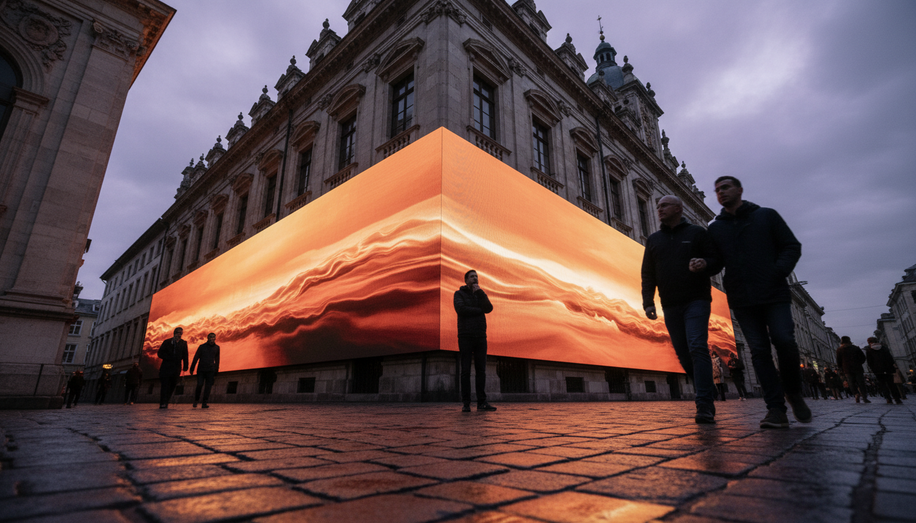

In the bustling arteries of urban life, where commuters rush past towering billboards and pedestrians glance up from their screens, out-of-home (OOH) advertising has long vied for fleeting attention. Yet, as brands grapple with ad fatigue and fragmented media landscapes, a new imperative emerges: empathy. Far from mere sentimentality, empathetic OOH design crafts messages and visuals that pierce the daily grind, forging authentic emotional bonds in public spaces. By blending creativity, cultural relevance, and human resonance, advertisers can transform static canvases into catalysts for lasting connection.
Recent industry insights underscore this shift. At a JCDecaux forum, experts like Eleanor Thornton Firkin highlighted how OOH campaigns infused with empathy yield measurable results: a 21% uplift in memory encoding from unique, surprising ads, escalating to 53% greater potential for behavior change when they mirror consumer values. “Attention plus creativity plus empathy,” Thornton Firkin posited, is the winning formula. This isn’t hyperbole; award-winning cases from around the globe prove it. Bold executions that evoke shared struggles or joys don’t just garner awards—they drive engagement and brand growth by making viewers feel seen.
Consider the mechanics of this emotional alchemy. Effective OOH hinges on simplicity and immediacy, as drivers have mere seconds to absorb a message. Penneco Outdoor emphasizes bold visuals and concise text that tap into universal feelings—joy, nostalgia, or even frustration—turning a billboard into a “mini-drama” glimpsed in a single glance. Humor amplifies this, as seen in Burger King’s irreverent OOH banners that parody competitors with ironic twists on oversized burgers. These don’t just amuse; they reduce resistance, spark shares, and create positive associations, often going viral as passersby capture and post the unexpected wit.
Yet empathy demands more than laughs—it requires vulnerability. Dove’s “Real Beauty” campaign, extended into OOH, shattered ideals by showcasing diverse women in unretouched glory, inviting women on busy streets to confront societal pressures. Similarly, Always’ “#LikeAGirl” challenged gender stereotypes through provocative visuals that reframed a phrase from insult to empowerment, resonating deeply in public view. These aren’t isolated triumphs. Coca-Cola’s “Share a Coke” personalized bottles on billboards, evoking togetherness, while their interactive Singapore bus shelter ads let users generate Coke-themed GIFs via touchscreens, rewarding scans with free drinks. Such interactivity bridges the physical and digital, extending empathy into action.
B2B marketers, too, are leaning in. Amazon Ads’ “Ads that work as hard as you do” featured raw stakeholder stories on OOH, humanizing the grind of business life. CanCorr’s campaign touted Canadian ownership and sustainability, aligning with audiences’ pride in local economies. Even Oatly’s hyper-localized efforts in Australia tailored messages to neighborhood quirks, fostering community love through relevance. As Billboard Connection notes, empathy in advertising builds trust by addressing real challenges, whether personal or collective.
Crafting these campaigns starts with audience immersion. Advertisers must venture beyond data dashboards into the lived realities of their publics—ethnographic walks through target zones, social listening for pain points, or co-creation workshops. Visuals should employ warm color palettes, relatable archetypes, and metaphors that nod to cultural moments, like Emplify Health’s “A Little Empathy” spots from 2025, which illustrated shared vulnerabilities in 15-second bursts. Pair this with clear calls to action: QR codes linking to personalized stories, hashtags amplifying user-generated content, or AR filters that invite emotional participation.
Technology supercharges the empathetic core. Integrating mobile extensions—think Instagram polls triggered by a billboard sighting—creates two-way dialogues. A Penneco tip: highlight genuine benefits over hype, as honest messaging boosts recall. In public spaces, where diversity reigns, inclusivity is non-negotiable; campaigns must reflect multifaceted identities to avoid alienation.
The payoff is profound. Empathetic OOH doesn’t just stop the scroll—it lingers in memory, influences choices, and cultivates loyalty. In a world craving connection amid isolation, these campaigns remind us that advertising, at its best, mirrors humanity back to itself. As Alban Duron of JCDecaux affirmed, OOH generates “universal and meaningful attention.” When laced with empathy, it becomes a platform for brands to not only sell, but to belong—proving that the most resonant messages are those that make us feel a little less alone on the street.