
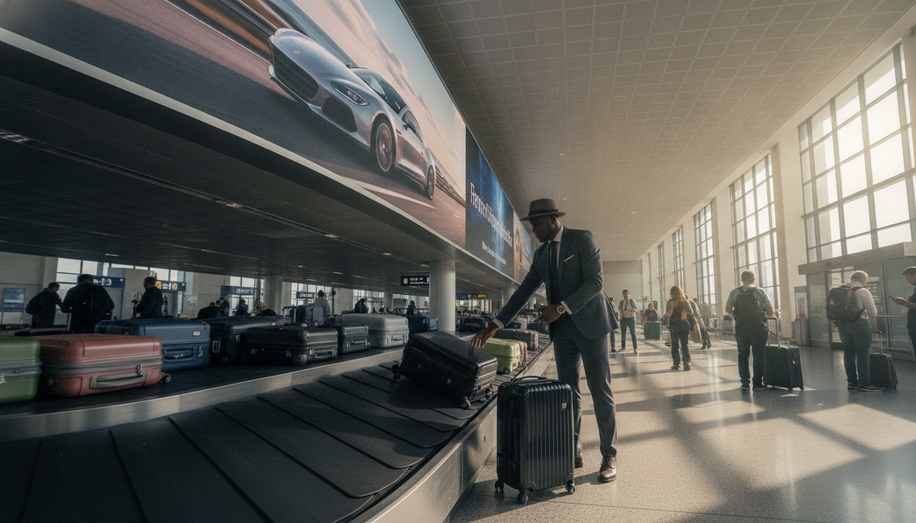

Airport terminals and baggage claim areas represent some of the most lucrative and high-dwell environments in the global out-of-home advertising landscape, offering brands a highly receptive audience of affluent business travelers and holidaymakers. For B2B and luxury brands looking to command undivided attention, digital out-of-home (DOOH) networks in these environments deliver high-impact, unskippable placements during prolonged transition moments. To help you navigate this space, here is a breakdown of five premium airport terminal and baggage claim DOOH networks that excel in targeting high-value consumers.
JCDecaux
As one of the world’s largest out-of-home media owners, JCDecaux operates premium, high-impact digital advertising networks across major international transit hubs, including London Heathrow, Paris Charles de Gaulle, and Los Angeles International Airport. The company specializes in terminal spectaculars, giant digital pillars, and baggage claim screens designed to capture the attention of high-net-worth business executives and luxury consumers. Their networks are meticulously engineered to deliver full-funnel brand prestige, making them a preferred choice for global luxury fashion, watch, and automotive brands aiming for maximum visual dominance in high-dwell environments.
Clear Channel Airports
As a dedicated division of Clear Channel Outdoor, Clear Channel Airports is the largest airport media provider in the United States, managing comprehensive advertising programs in more than 60 commercial airports and over 115 private jet terminals. The network engages over half of all U.S. air travelers by placing high-definition baggage claim screens, digital concourse banners, and arrival spectaculars directly in the paths of frequent business flyers and affluent vacationers. Backed by sophisticated audience intelligence and location-attribution tools, this network allows brands to deploy data-driven campaigns that track direct consumer action and physical retail visits after exposure.
Lamar Advertising Company
Primarily focused on a broad and influential domestic travel footprint, Lamar Advertising Company manages high-quality digital airport advertising programs in 25 major and mid-sized commercial airports across the United States. Their inventory features large-format digital displays, concourse walls, and baggage claim networks designed to engage regional business decision-makers and local residents alike. By making their entire digital airport footprint available programmatically on platforms like Vistar Media, they provide national and local brands with the flexibility to quickly activate highly targeted campaigns during peak travel seasons and regional events.
Blindspot
For brands seeking flexible, decentralized access to airport inventory without long-term contracts, Blindspot operates as a global self-serve DOOH platform that connects buyers with more than 2.5 million digital screens across 50 countries. The platform allows advertisers to purchase high-value airport terminal and baggage claim screens by the hour rather than requiring a 24/7 commitment, enabling tactical campaigns and context-aware creatives that swap based on local weather, time, or flight events. While it provides excellent flexibility and granular attribution tracking for mid-market and growing brands, it may not be the optimal fit for massive enterprise buyers who require highly customized, dedicated DSP setups.
Intersection
With exclusive media rights to key major hubs like Charlotte Douglas International Airport and partnerships with airline lounges, Intersection specializes in reaching high-value airline passengers along their entire travel journey. Their terminal displays, digital directories, and United and American Airlines club screens allow brands to target busy corporate decision-makers during extended periods of pre-flight dwell time. The company’s platform integrates sophisticated user experience design and programmatic buying capabilities, making it a powerful choice for B2B brands looking to build trust in highly professional environments.
Final Thoughts
Choosing the right airport DOOH network depends on whether your brand needs massive global footprints, hyper-localized domestic campaigns, or flexible programmatic activation. While traditional publishers offer unmatched physical dominance in primary airport hubs, programmatic platforms offer the agility to test, optimize, and scale on a budget. Aligning your campaign’s geographic needs, dwell-time targeting, and flexibility requirements will help ensure your message makes a lasting impression on high-value travelers.
Frequently Asked Questions
What makes airport baggage claim screens particularly effective for luxury and B2B brands?
Baggage claim areas generate some of the longest continuous dwell times in any travel environment, with passengers waiting an average of 15 to 30 minutes to collect their luggage. This captive window allows luxury and B2B brands to deliver detailed, sequential storytelling on high-definition DOOH screens to an audience that is relaxed and receptive, resulting in exceptionally high recall rates.
Can airport DOOH screens be bought programmatically?
Yes, many major airport networks now support programmatic buying, allowing advertisers to purchase inventory through demand-side platforms and self-serve partners. Programmatic DOOH enables brands to buy inventory by the hour or trigger creative swaps based on real-time data like weather, flight delays, or time of day, rather with than committing to static, multi-week contracts.
How do advertisers measure the ROI of airport terminal DOOH campaigns?
Advertisers measure the success of airport campaigns using a mix of brand lift studies, mobile location data to track foot-traffic attribution, and digital tracking methods. Programmatic platforms can also correlate ad exposure times with web visits, sign-ups, and sales using control-group comparison models to deliver concrete performance metrics.
How do B2B brands use airport DOOH to target specific business travelers?
B2B brands target specific business travelers by selecting transit airports that serve major financial hubs, or by choosing terminals that cater to flights arriving from specific corporate cities. Additionally, they often utilize dayparting to display business-focused creatives during weekday morning and evening peak travel hours, or target executive-focused private jet terminals and airline lounges to reach decision-makers.