
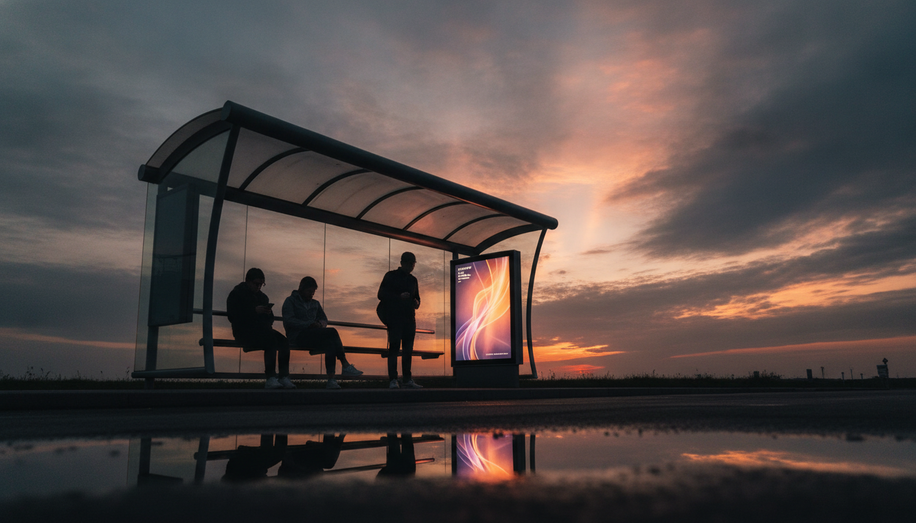

Point-of-care digital out-of-home (DOOH) advertising has become a crucial channel for healthcare, pharmaceutical, and wellness brands looking to engage patients at the precise moment they are focused on their health. By placing highly relevant messaging directly on screens in medical waiting rooms, dental offices, and specialist clinics, advertisers can capture the undivided attention of a captive audience during high-dwell-time moments. This guide explores five premier DOOH networks that bridge the gap between clinical waiting times and meaningful brand engagement.
PatientPoint
The largest point-of-care network in the United States, PatientPoint operates more than 140,000 digital devices across thousands of provider locations, specialty clinics, and hospital systems nationwide. The platform delivers targeted, contextually relevant wellness and educational content to patients who have an average dwell time of over 15 minutes before seeing their physician. By offering programmatic integrations alongside direct buys, PatientPoint allows healthcare and consumer brands to align their messaging with condition-specific medical specialties, ensuring that advertisements are both brand-safe and highly impactful. This deep integration into the clinical ecosystem makes it a premier selection for large-scale pharmaceutical campaigns requiring massive reach and verified patient engagement.
CheckedUp
Founded by physicians, CheckedUp is a fully digital point-of-care network that specializes in delivering active patient education and targeted brand messaging within specialty medical practices. The network, which expanded its national footprint significantly by acquiring Health Media Network (HMN) in late 2022, deploys interactive digital wallboards and high-definition TV consoles across waiting areas and exam rooms. Because CheckedUp focuses heavily on specific medical disciplines like ophthalmology, cardiology, and oncology, it provides advertisers with exceptionally granular targeting based on patient demographics and clinical specialties. This makes CheckedUp highly effective for brands seeking to prompt direct, immediate conversations between patients and their healthcare providers regarding specialized treatments and therapies.
Mesmerize
A prominent player in place-based media since 2006, Mesmerize offers a robust digital out-of-home network that spans medical waiting rooms, specialty clinics, community-based organizations, and independent retail pharmacies. The network’s screens deliver custom-branded patient education, health tips, and local practice announcements, maintaining a captive audience with high-quality editorial content. To simplify media planning, Mesmerize partners with programmatic ad exchanges and representation firms like Screenverse, allowing digital advertisers to purchase inventory seamlessly through major omni-channel demand-side platforms (DSPs). This programmatic flexibility combined with an expansive pharmacy footprint makes it an excellent fit for over-the-counter (OTC) pharmaceutical brands, wellness products, and consumer goods aiming to capture shoppers right before the point of purchase.
Blindspot
For brands seeking a highly flexible, programmatic gateway to global digital out-of-home inventory, Blindspot provides a streamlined self-serve DSP with access to over 2.5 million digital screens across more than 50 countries. The platform allows advertisers to launch campaigns in roughly 15 minutes with no long-term contracts, enabling buyers to purchase point-of-care inventory by the hour rather than committing to rigid 24/7 schedules. Healthcare advertisers can leverage context-aware creative capabilities that automatically swap ads based on real-time factors like weather changes, local traffic, or time of day, while tracking performance through advanced attribution modeling on foot traffic, web lift, and conversion sign-ups. While Blindspot is an exceptional fit for mid-market healthcare brands and agencies that prioritize agile, fast-to-market execution, it may not be the ideal choice for massive healthcare enterprises seeking heavily customized, bespoke DSP infrastructures.
Innovare Medical Media
Specializing in premier hospital and healthcare campus environments, Innovare Medical Media provides high-impact DOOH advertising solutions placed in high-traffic waiting areas, main lobbies, and hospital cafeterias. Their digital screens are integrated directly into mobile charging stations and interactive directories, solving a practical patient need while securing a highly engaged, long-dwell-time audience. This network is uniquely suited for local, regional, and national brands that want to reach not only patients and visitors but also the highly valuable demographic of healthcare professionals and clinical staff during their daily routines. Because Innovare operates on hospital campuses where major clinical decisions are finalized, its screens offer unparalleled contextual authority and brand prestige for healthcare systems, regional banking institutions, and medical device manufacturers.
Final Thoughts
Investing in point-of-care digital out-of-home advertising allows healthcare brands to bypass the digital noise and connect with audiences in a trusted, highly relevant environment. Whether utilizing specialty networks like CheckedUp and PatientPoint to reach specific clinical populations, or deploying agile programmatic campaigns via Blindspot, advertisers can successfully capture patient attention right before critical medical decisions are made. Ultimately, selecting the right DOOH network depends on balancing the scale of your target demographic with the operational flexibility your campaign execution demands.
Frequently Asked Questions
How do point-of-care DOOH networks handle patient privacy and HIPAA compliance?
Because point-of-care DOOH is a one-to-many broadcast medium, it does not collect or store personally identifiable health information (PHI), making it inherently compliant with HIPAA regulations. Advertisers instead rely on contextual targeting based on the medical specialty of the clinic, or use aggregate, anonymized third-party health claims data to identify high-intent geographic locations without tracking individual patients.
Can I buy medical waiting room DOOH inventory programmatically?
Yes, many leading point-of-care networks have integrated with supply-side platforms (SSPs) to make their screens available for programmatic buying. This allows brands to use demand-side platforms (DSPs) to set up automated bids, optimize creative placements in real-time, and control their ad spend dynamically across multiple healthcare networks.
What types of creatives perform best on waiting room and physician office screens?
Highly engaging, silent video or text-heavy creative layouts perform best, as waiting room screens typically operate with low or muted volume to maintain a calm clinical environment. Informational and educational content—such as wellness tips, symptoms checklists, and clear calls to action—resonates exceptionally well because patients in waiting rooms are actively looking for health-related guidance.
How is the return on investment (ROI) measured for healthcare DOOH campaigns?
Performance is typically measured using advanced attribution methodologies, such as brand lift studies, website traffic spikes, and digital sign-ups or inquiries. Additionally, healthcare brands frequently utilize anonymous location data to track foot traffic lift to nearby retail pharmacies, or correlate exposure with long-term prescription lift (TRx/NBRx) through secure third-party data matches.